Email automation has revolutionized the way businesses communicate with clients. From drip campaigns to transactional emails, automation helps increase efficiency and maintain engagement at scale. However, many email marketers encounter a frustrating roadblock: messages being blocked or flagged due to “suspicious sending patterns.” This issue can cripple your outreach efforts and impact your sender reputation.
TLDR: If your emails are getting blocked by automation tools or end up in spam, you’re not alone. Email systems often flag messages due to high-volume sends, inconsistent patterns, and misconfigured technical settings. By warming up your email domain, customizing your content, and remaining technically compliant, you can increase your email deliverability. This guide explores actionable solutions to avoid being labeled as suspicious by automation tools.
Table of Contents
Understanding the Problem: What Are Suspicious Sending Patterns?
Email providers and spam filters use complex algorithms to detect spam and abuse. One of their key indicators is the appearance of a non-human-like or exploitable sending pattern. These patterns may include:
- Sending hundreds or thousands of identical emails in short time frames
- Sudden spikes in volume without a ramp-up period
- Lack of engagement (low open and click-through rates)
- Technical red flags such as missing DNS records
When they detect any of these behaviors, providers like Google, Microsoft, or Yahoo may throttle, block, or divert your email into the recipient’s spam folder. Automation tools, in particular, are prone to this problem because they favor scale and speed over subtlety and personalization.
1. Warm Up Your Email Domain Gradually
New domains or freshly created email addresses are often under extra scrutiny. If you suddenly send 3,000 emails from a new address, spam filters see red flags.
Solution: Start small and escalate your volume gradually over a few weeks. This technique is known as “warming up” your domain or sender reputation.
- Week 1: Send 20–50 emails per day
- Week 2: Increase to 100 per day
- Week 3: Expand to 250–500 per day, depending on engagement
Using email warm-up tools like MailFlow or Instantly can automate this process and simulate human behavior, improving your credibility with email providers.

2. Authenticate Your Email with SPF, DKIM, and DMARC
Email authentication builds trust with recipient servers by proving that your messages come from legitimate sources. Without it, your emails are more likely to be filtered.
Set Up These Three Key Authentication Protocols:
- SPF (Sender Policy Framework): Defines authorized sending servers for your domain
- DKIM (DomainKeys Identified Mail): Adds a digital signature to help verify authenticity
- DMARC (Domain-based Message Authentication, Reporting & Conformance): Tells ISPs what to do when emails fail SPF or DKIM
Most email automation tools offer setup wizards to guide you through authentication, or you can work with your DNS provider to enable these records. Once configured correctly, authenticated emails are far less likely to be flagged.
3. Prioritize Hyper-Personalization in Email Content
One of the easiest ways to avoid looking suspicious is to not appear automated. Emails that seem unique and human-written are far less likely to be blocked.
Good personalization includes:
- The recipient’s name and company
- Contextual references (e.g., “I liked your recent blog post on…”)
- Changing sentence structures and subject lines based on segments
Try to create dynamic segments and customize messages accordingly. The goal is to prevent ISPs from seeing these as cloned messages.
4. Rotate Sending Accounts and Track Engagement
Running multiple campaigns through a single email address can make it a target. Instead, rotate among different addresses for different segments or purposes.
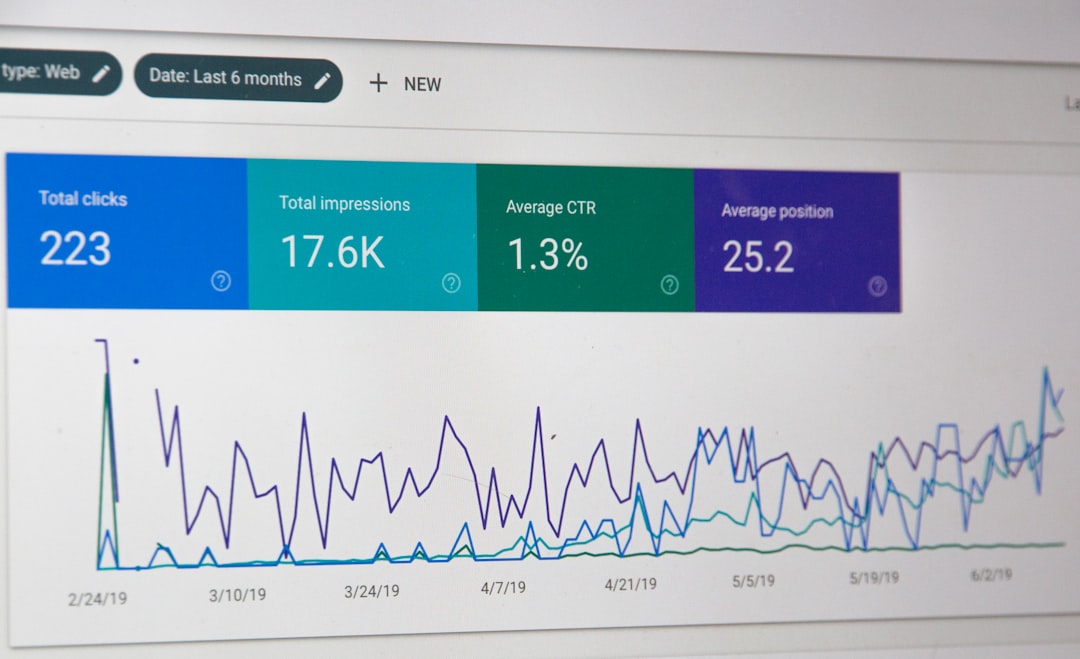
This not only distributes the volume but also lowers the risk of a single account being blacklisted if something goes wrong. Monitor open, reply, and bounce rates religiously. If you notice unusual dips, pull back—you’re probably getting flagged.
5. Avoid Spam Trigger Words and Risky Formatting
Email filters analyze phrasing to detect common spam tactics. Certain words and structures raise red flags. You want to avoid:
- Excessive all caps (e.g., “ACT NOW!”)
- Too many exclamation points
- Trigger phrases like “Free money,” “100% guaranteed,” “Risk-free,” etc.
- Embedding images with little to no text
Also be careful with links. Too many links, or links pointing to low-quality domains, increase your risk of being flagged. Always use HTTPS and consider using branded or shortened URLs with tracking.
6. Comply with GDPR, CAN-SPAM and Permission-Based Lists
If you’re blasting emails to people who didn’t opt-in, expect problems. Consent is now a central part of email deliverability standards worldwide. Violating these rules can get your domain flagged at the ISP level.
Recommendations:
- Use double opt-in to validate real email addresses
- Always provide clear unsubscribe options
- Include your business address and contact details in the footer
Following email compliance laws isn’t just good practice—it’s essential to prevent your emails from being junked or blocked entirely.
7. Build and Maintain Your Sender Reputation
Email providers track how recipients interact with your messages over time and assign a sender reputation score to your domain or IP. A low score increases your likelihood of being blocked.
To maintain a strong sender reputation:
- Remove inactive or bouncing contacts promptly
- Send consistently, not just sporadically
- Encourage opens and replies through valuable content
- Run regular spam tests using tools like GlockApps or Mail-Tester
Google Postmaster Tools and Microsoft SNDS can also give insights into your domain’s reputation with their services. Keeping your reputation strong is a long-term investment.
Conclusion: Make Deliverability Part of Your Strategy
Email automation is powerful, but using it without precaution can lead to lost opportunities and damaged credibility. The challenge of suspicious sending patterns isn’t going away—but it can be handled through careful planning, authentication, personalization, and legal compliance.
Delivering messages to the inbox, not spam, should be considered part of your core email strategy—not just a nice bonus. Whether you’re running cold outreach, nurturing leads, or sending newsletters, taking deliverability seriously will return more engagement and more conversions in the long run.
By understanding how automation tools and email systems evaluate patterns, you can stay ahead of issues, rather than scrambling to fix them after the fact.
Remember: The best messages are the ones your audience actually receives.