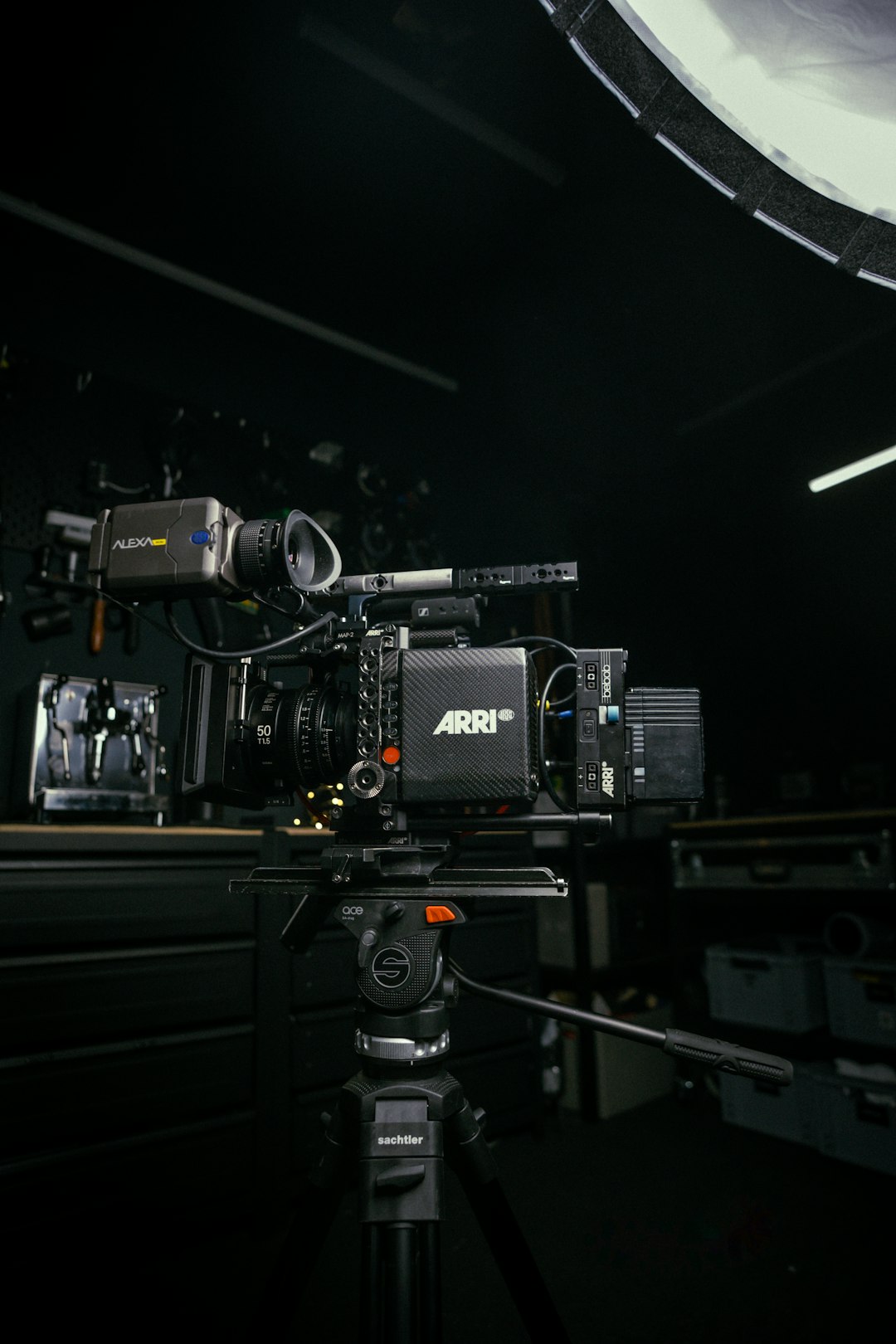
In the art of visual storytelling, every frame is deliberate, every composition meaningful. Cinematographers and directors use a wide range of shot types to evoke emotion, suggest meaning, or guide a viewer’s attention. Among the most impactful tools in their arsenal is the extreme close-up shot — a technique that, when used skillfully, can communicate volumes without saying a single word.
Table of Contents
TL;DR: What Is an Extreme Close-Up Shot?
An extreme close-up (ECU) shot is a type of camera shot in film and photography that tightly frames a subject, often focusing on a particular detail like an eye, a hand, or an object. This type of shot is used to intensify emotions, highlight details, or convey importance. It can be powerful when used sparingly and often carries symbolic or narrative significance. ECUs are particularly effective in dramas, thrillers, and dialogue-heavy scenes where emotion is key.
What Exactly Is an Extreme Close-Up?
An extreme close-up is a framing technique in which the subject occupies most or all of the screen, dramatically narrowing the viewer’s field of vision. Unlike a standard close-up—typically showing a character’s face or shoulders—an extreme close-up zeroes in on a much smaller section. This could include just the eyes, the mouth, or an important object like a key or a piece of jewelry.
This type of shot is rarely used casually. Its very intensity demands attention and signals to the audience that what is being shown is of exceptional importance. Because of its concentrated nature, the extreme close-up has the ability to communicate subtle changes in mood, fine details, or intense emotional cues that would be lost in a wider frame.
Key Characteristics of an Extreme Close-Up
- Tight Framing: Only a small portion of the subject is visible, often excluding surrounding context.
- Emotional Intensity: Commonly used to enhance or reveal deep emotional states.
- Details Matter: Used to draw attention to a specific feature, such as an eye twitch, a teardrop, or a tactile object.
- Symbolic Function: Can signify inner thought, abstract themes, or foreshadowing in visual storytelling.
When and Why Extreme Close-Ups Are Used
Extreme close-ups are used sparingly and strategically in film and media. Their purpose is never arbitrary, as their shocking level of intimacy places immense visual and emotional pressure on the viewer.
Here are some common scenarios where extreme close-ups are particularly effective:
- To Evoke Emotion: By framing just the eyes or a trembling hand, filmmakers can expose raw human emotion that pulls the audience deeper into a character’s psychological state.
- To Create Tension: Especially in thrillers or horror, an ECU can capture a flicker of fear, a bead of sweat, or an ominous object, heightening suspense.
- To Emphasize Details Crucial to the Plot: A code etched into a ring or a drop of blood on a tile gains tremendous narrative weight when captured in extreme close-up.
- To Symbolize Inner Thoughts or Themes: Filmmakers sometimes use ECUs metaphorically, creating visual poetry that underlines deeper meanings.

Examples in Film and Television
Many iconic moments in cinema have been made memorable precisely because of their use of extreme close-ups. Filmmakers from Alfred Hitchcock to Quentin Tarantino have used the technique masterfully to heighten impact.
Notable examples include:
- Requiem for a Dream (2000): Darren Aronofsky frequently uses extreme close-ups to depict the ravaging effects of addiction— from dilated pupils to drug paraphernalia—pulling viewers uncomfortably close to the characters’ decline.
- Kill Bill: Vol. 1 (2003): Quentin Tarantino utilizes extreme close-ups in moments of high tension or emotional aggression, particularly during fight sequences. Eyes, weapons, and splattered blood are showcased with surgical precision.
- The Good, the Bad and the Ugly (1966): Sergio Leone’s climactic Mexican standoff involves a brilliant sequence of extreme close-ups on the characters’ eyes, creating relentless psychological pressure.
Television also embraces the ECU, especially in character-driven dramas and crime series like Breaking Bad or True Detective, where inner conflict and moral ambiguity are often communicated visually before they are expressed in dialogue.
The Psychological Impact on Audiences
Humans are naturally wired to respond strongly to faces and expressive features. The use of an extreme close-up mimics real-life proximity in an exaggerated fashion. It forces the audience into a level of intimacy that can be either intensely engaging or painfully uncomfortable, depending on the context.
Psychologists suggest that observing micro-expressions or tiny behavioral cues increases empathy. An ECU leverages this by eliminating distractions and inviting a singular emotional or sensory focus. However, it also reduces spatial context, creating a sense of confinement and immediacy, which can be used as a storytelling device in moments of dread, solitude, or heightened awareness.

How to Craft an Effective Extreme Close-Up
For aspiring filmmakers and cinematographers, using an extreme close-up requires careful planning and intention. Below are some essential tips for crafting meaningful ECUs:
- Choose the Right Subject: Not every moment demands an ECU. Select details that are emotionally or narratively charged.
- Use the Right Lens: Macro lenses are often necessary to achieve sharp focus on small details without distortion. Be mindful of focal length and depth of field.
- Control Lighting: Lighting should be deliberate and focused, ensuring that the detail you’re emphasizing is neither overexposed nor lost in shadow.
- Plan in Pre-production: ECUs are not typically improvised. Be sure they align with the storyboards and overall tone of the film.
- Mind the Edit: In editing, ECUs are best when juxtaposed with wider shots. This contrast increases their impact and avoids overuse.
Limitations and Risks
As powerful as extreme close-ups can be, overusing them may dilute their impact. Too many ECUs can diminish narrative clarity, disrupt pacing, and even exhaust the viewer. Furthermore, without the right narrative purpose, an ECU can feel jarring or overly dramatic, pulling audiences out of the story instead of drawing them in.
Balance is critical. ECUs should punctuate key moments, not dominate the visual language of a film. When used correctly, they can act as visual exclamation points—sharp, clear, and unforgettable.
Conclusion
The extreme close-up shot is one of cinema’s most intimate and expressive tools. Its purpose extends beyond mere aesthetics—serving instead as a gateway to deeper emotional resonance and narrative focus. While it requires a high degree of craftsmanship, thought, and restraint, a well-placed ECU can define a scene, a character, or even an entire film.
For viewers, it offers a rare level of closeness, making them both observer and participant in the unfolding drama. For filmmakers, it is a method of storytelling that—when properly executed—offers unparalleled emotional depth and visual intrigue. When an eye fills the screen or a silent gesture is magnified a hundredfold, the subtle becomes powerful, and moments become iconic.