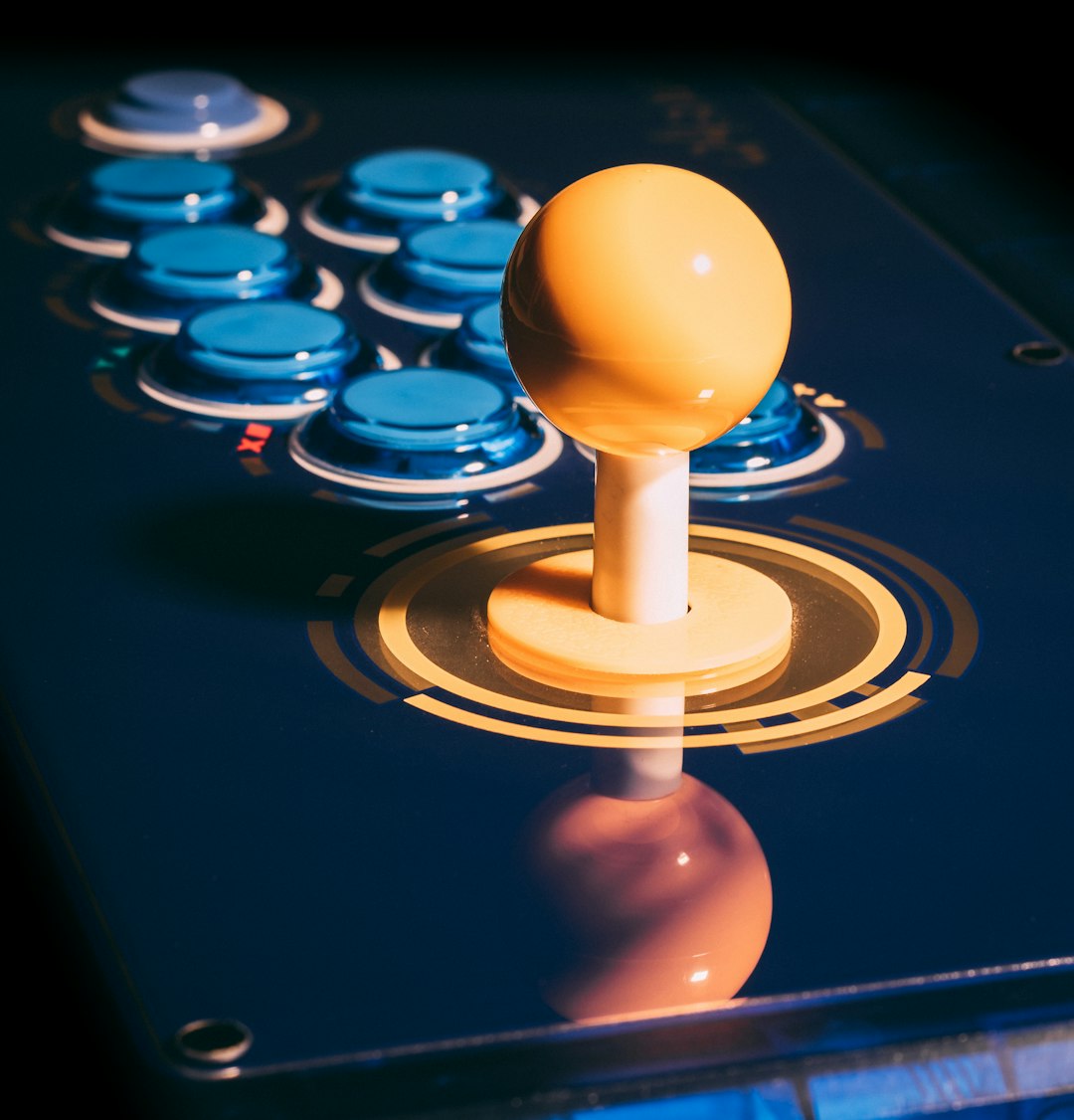
In competitive gaming, where the margins of victory are razor-thin, even the smallest technical advantage can have significant consequences. While players seek to hone their skills and optimize their strategies, hardware and software inputs also play a critical role in maintaining fair play. One term that has gained notable attention in gaming communities is SOCD, short for Simultaneous Opposite Cardinal Directions. Although it may sound like technical jargon, understanding SOCD is vital—especially if you’re a competitive player who uses arcade sticks or custom controllers. Misusing or even unintentionally bypassing SOCD rules can lead to disqualification or a ban from tournaments and online matches.
Table of Contents
TL;DR
SOCD stands for Simultaneous Opposite Cardinal Directions. It refers to pressing opposing directional inputs—such as left and right—at the same time. Doing so can create unfair advantages in games, depending on how hardware responds to those inputs. Because of this, most tournaments and gaming platforms strictly regulate or even ban devices that exhibit improper SOCD behavior to ensure balanced and ethical gameplay.
What Exactly Is SOCD?
In most video games, the player uses directional inputs—like up, down, left, and right—to control movement. However, pressing two opposite directions at once, such as left and right, is not naturally possible on standard digital pads or analog sticks. But on certain hardware, especially arcade sticks, fight pads, and custom-built controllers, it becomes feasible to press opposite directions simultaneously. This phenomenon is what we call Simultaneous Opposite Cardinal Directions (SOCD).
Why is this a problem? Because the way a game or controller interprets these conflicting inputs can lead to unexpected behavior. For instance, some controllers might prioritize one direction over another, while others may cancel both out—or worse, execute inputs that the human hand could not normally perform on a standard controller.
Common SOCD Scenarios and Implications
Let’s break down a few specific cases to better illustrate what’s at stake:
- Left + Right Together: In a standard environment, this should result in a neutral input, or cancel each other out. However, in some setups, pressing both directions can be interpreted as moving in a fixed direction, offering a faster input than normal.
- Down + Up Together: Can potentially cause your character to instantly jump while crouched, violating the intended mechanics of most fighting games.
- SOCD Cleaning: Some advanced controllers use what’s called an “SOCD cleaner”—software or hardware that determines what to do when conflicting inputs are detected. While meant to normalize gameplay, poorly designed or misconfigured SOCD cleaners can still produce unfair advantages.
In high-stakes environments, these edge cases matter. A player exploiting SOCD might gain quicker movement or cleaner execution of commands, reducing recovery on certain moves—not because they’re more skilled, but because their controller behaves differently.
Why Games and Tournaments Ban Improper SOCD Usage
Most modern competitive games aim for standardization to keep the playing field level. Tournament organizers and developers adopt strict rules around input behavior for several key reasons:
- Fairness: Consistency in behavior across all controller types ensures that no one gains an unfair advantage.
- Skill Integrity: Players should win because of their understanding of the game mechanics and strategy, not because of hardware loopholes.
- Game Logic: Most games are not programmed to handle certain SOCD conditions, which could result in glitches or unintended gameplay scenarios.
- Cheating Prevention: Some gamers may intentionally configure their devices to abuse SOCD behaviors for unfair gain.
This is why many fighting game tournaments, like those held for Street Fighter or Tekken, explicitly outline rules about SOCD detection and cleaning. Devices that fail to comply can get players immediately disqualified, even mid-match.

Examples of SOCD Handling in Different Games
Let’s examine how various popular games and systems treat SOCD inputs:
- Street Fighter V (PS4): The official game registers neutral when both left and right are pressed, due to the built-in handling on arcade sticks certified by Capcom.
- Guilty Gear Strive: The game relies heavily on movement and precise inputs. Controllers with improper SOCD behavior can circumvent the game’s design, leading to bans in tournament play.
- Super Smash Bros. Ultimate: While less reliant on stick controllers, modded GameCube controllers that enable SOCD behaviors are considered illegal in most competitive scenes.
Note that it’s not just the specific game engine, but also the platform and controller functions that determine how SOCD is handled. What’s permissible on a PC might not be allowed on a console, and vice versa.
The Role of SOCD Cleaners
As mentioned earlier, many professional-grade fight sticks feature what’s known as an SOCD cleaner. This tool ensures that when two opposite directional inputs are received, the output is corrected to a neutral or previously agreed-upon direction.
There are generally three types of SOCD behaviors implemented by cleaners:
- Neutral SOCD: Pressing left and right cancels out, resulting in no movement. This is the most common and accepted approach.
- Priority SOCD: One direction (often left) is given priority over the other. While better than doing nothing, it’s not considered ideal in tournaments.
- Last Input Priority: The most recent direction pressed is used. Highly discouraged in competitive play due to the potential for inconsistent behavior.
Important: Many tournament organizers demand that custom SOCD cleaners be open-source or certified to comply with standards. Controllers that do not undergo proper validation are often banned on sight.
Detecting SOCD Abuse
SOCD abuse can be difficult to identify during a live match, but certain telltale signs include:
- Unrealistically fast or neutral movement changes
- Instant reversal of directions without recovery frames
- Players executing actions that appear technically impossible on standard controllers
To counter this, some tournaments employ controller testing both before and after competition. Competitive players are also encouraged to submit their controller mappings and hardware specs in advance. Online systems such as Fightcade or Parsec may deploy input-check systems to detect abnormal patterns.

Regulatory Standards by Major Events
Major fighting game events like EVO, CEO, and Combo Breaker outline their SOCD regulations in official rulebooks. Failure to comply can result in:
- Immediate disqualification from the tournament
- Removal of controller or player from the game station
- Bans from future events
It’s worth noting that even accidental activation of improper SOCD isn’t tolerated. Players are responsible for ensuring their devices meet the standard—ignorance is not considered an acceptable excuse.
Best Practices to Avoid Getting Kicked
If you’re serious about competing and want to avoid issues with SOCD, follow these guidelines:
- Use certified controllers: Make sure your fight stick or custom device is approved by well-known manufacturers or modders recognized by the community.
- Test your inputs: Use training modes or debugging tools to see how your controller handles opposite directions.
- Install or configure an SOCD cleaner: This could be a firmware feature or hardware component, but it must clean inputs to tournament standards.
- Read tournament rules: Every event has slightly different technical regulations. Do your homework before showing up.
As with any competitive environment, transparency, preparedness, and ethical behavior go a long way in ensuring fair and enjoyable experiences for all participants.
Conclusion
SOCD may seem like a niche technical concept, but its implications ripple through the entire ecosystem of competitive gaming. As controllers become more advanced and customizable, understanding how they interact with game logic is more important than ever. SOCD cleaning ensures fairness, and failure to comply with community standards can easily get you kicked out of events or matches.
Whether you’re a seasoned pro or a newcomer looking to enter the tournament scene, understanding and respecting the principles around SOCD is essential. Configuration mistakes are preventable, but ignorance of the rules is not forgivable—proper input management is a prerequisite for competitive credibility.