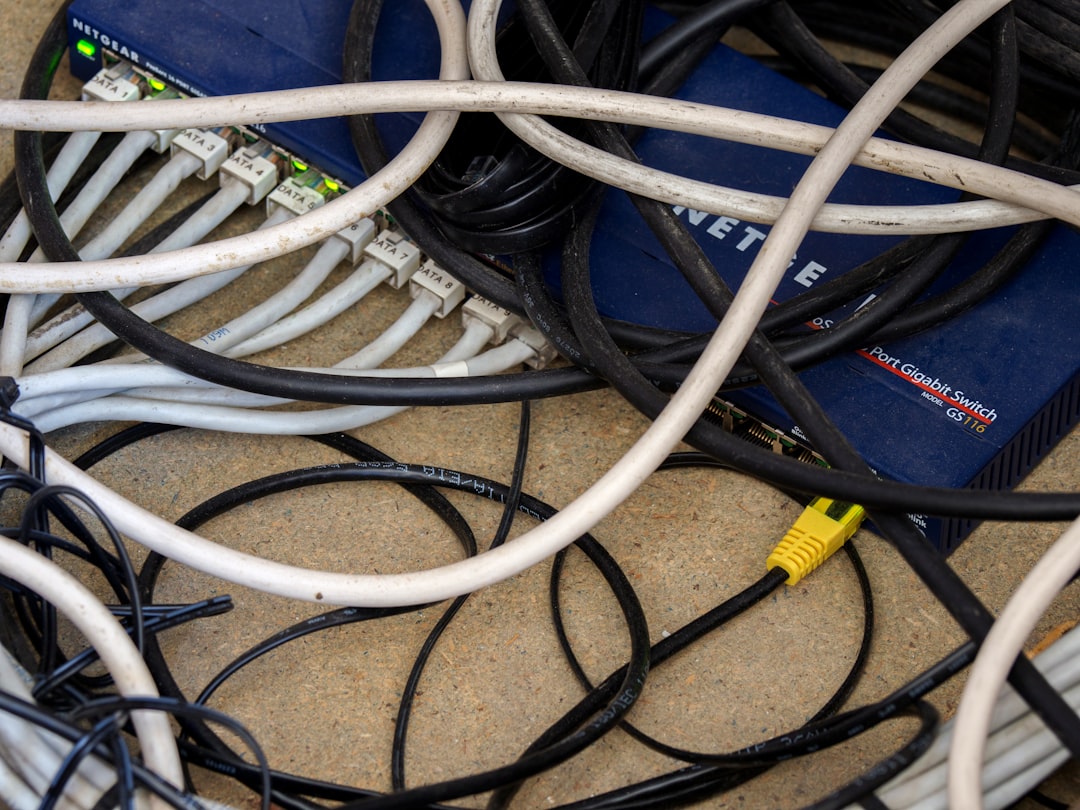
In today’s fast-paced digital workspaces, collaboration is no longer a luxury—it’s a necessity. With companies embracing new organizational structures and technologies, office environments are being redesigned to support seamless teamwork. One of the often-overlooked cornerstones of this transformation is network cabling. As unglamorous as it may seem, the wiring behind the walls greatly influences how efficiently people can communicate, share resources, and collaborate in real time.
Table of Contents
TLDR:
Network cabling is critical for enabling efficient and seamless collaboration in modern office environments. It directly supports real-time communication, quick data transfer, and consistent internet connectivity—making everything from video conferencing to file sharing more reliable. High-performing cable infrastructure also supports scalability and minimizes downtime, making offices more flexible and productive. Businesses investing in high-quality cabling are setting the foundation for future-proof collaborative workspaces.
The Backbone of a Connected Workplace
Network cabling is more than just wires; it’s the nervous system of a building’s IT infrastructure. Structured cabling systems organize and standardize how data, voice, and media transmissions occur, allowing for efficient and organized data communication throughout an office. This foundational infrastructure plays a crucial role in real-time tasks such as:
- Hosting virtual meetings and video conferences
- Accessing cloud-based files and collaboration tools
- Running enterprise software across departments
- Ensuring secure and reliable data transmission
In an environment where delays, lags, or network drops can halt progress, having a robust cable framework ensures that employees can connect without interruption.
Enabling Real-Time Collaboration
One of the key components of modern collaboration is speed—both in terms of communication and data processing. A strong network cabling system allows for low-latency connections and high bandwidth throughput. Whether employees are engaging in real-time document editing, live video presentations, or rapid data processing across departments, the speed of data transfer determines the success of the interaction.
For instance, in a hybrid work model where employees may be logging in from different locations, well-integrated cabling systems within the office assure seamless access to central servers and collaborative platforms. Technologies like Voice over IP (VoIP), Unified Communications (UC), and Virtual Private Networks (VPN) all rely heavily on the cabling infrastructure in place.
Supporting Flexible, Scalable Workspaces
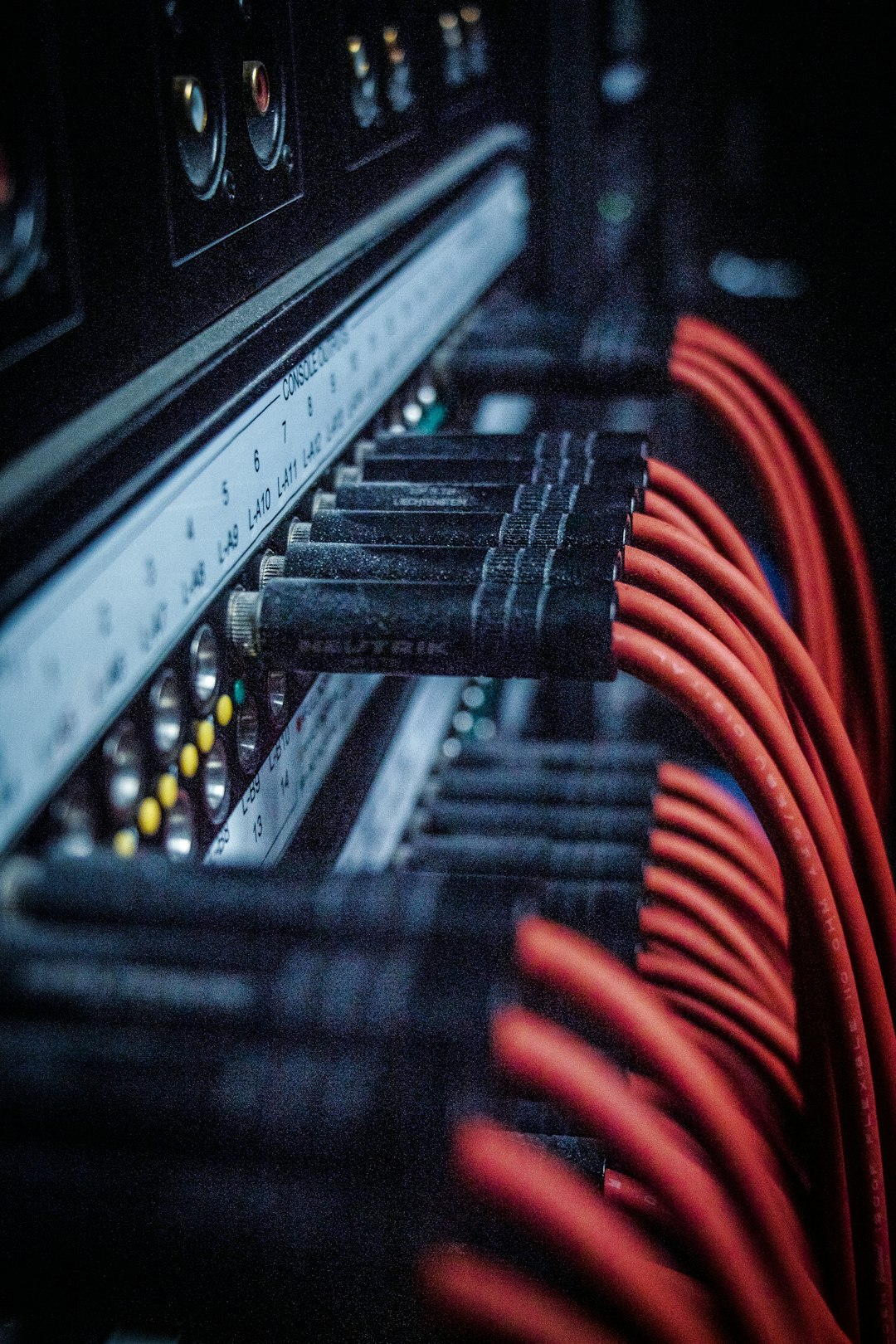
Another hallmark of current collaborative environments is flexibility. Modern offices are moving away from rigid cubicles and looking toward open plans, modular workstations, and hot desks. Such flexibility requires an equally adaptable network solution. Structured cabling simplifies the management of network connections and allows quick transitions and scalability when office layouts change or when new technologies are introduced.
For example, as an organization grows or introduces Internet of Things (IoT) devices, the cabling system must be able to support additional data loads without requiring a complete overhaul. This is where Category 6 (Cat6) and even Cat6A and Cat7 cables show their value, as they offer better shielding and higher data rates than their predecessors.
Creating Reliable and Efficient Connections
Imagine a video conferencing session freezing mid-call or a file upload taking minutes instead of seconds—all because of poor cable quality or unstable connections. These scenarios not only waste time but also affect morale and productivity. By investing in high-quality cables and expert installation, businesses can avoid costly disruptions.
Structured cabling also makes it easier to troubleshoot issues. With clearly labeled and organized cables, IT teams can rapidly identify problem areas and make repairs without extensive downtime. Reliable connections are especially essential for collaborative tools like Microsoft Teams, Slack, Google Workspace, and Dropbox, which rely on consistent access to the network.
Enhancing Security and Compliance
Security is another crucial aspect of collaboration that is directly influenced by network infrastructure. A poorly wired network can become vulnerable to breaches or interference. Structured cabling allows organizations to implement advanced security configurations such as VLANs, data encryption, and physical access controls more efficiently.
Additionally, compliance with industry regulations—such as HIPAA, GDPR, or ISO certifications—often requires companies to have secure, traceable, and controlled networks. Solid cabling infrastructure simplifies record-keeping and ensures compliance without sacrificing collaboration speed or quality.
The Aesthetic Factor: Clean, Organized and Tech-Savvy
It’s not just about performance. A clean, professionally installed cabling system contributes to a professional and modern office look. Messy wires, loose cables, and exposed ports create visual clutter and can distract employees. In contrast, structured cabling enables proper cable management, reducing risks associated with tangling, tripping, or accidental disconnections.
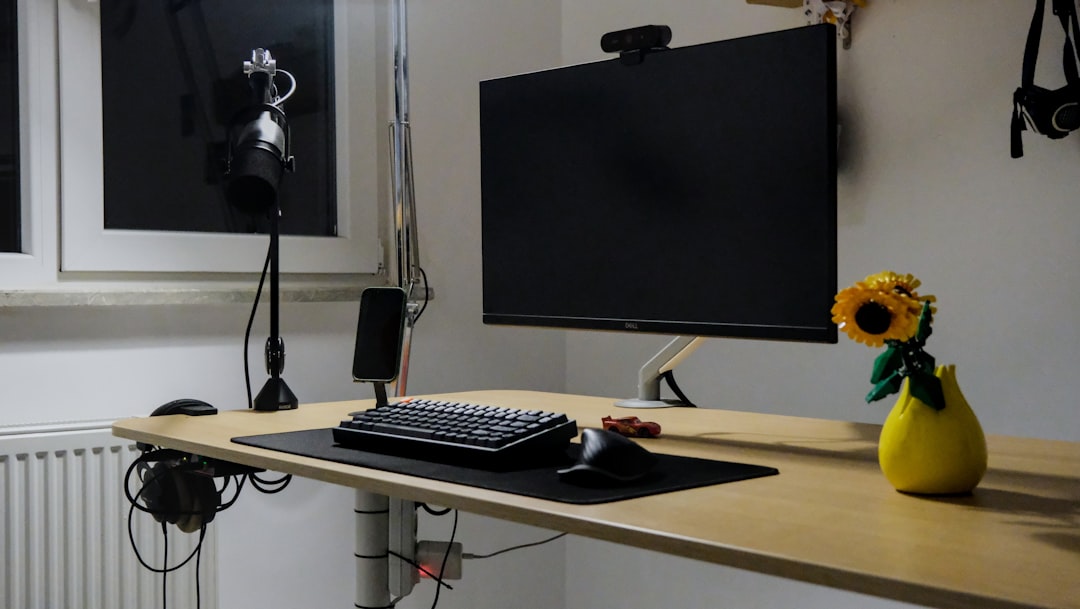
This not only creates a more pleasant and productive environment but also sets a tech-savvy tone that’s important for impressing clients, new hires, and stakeholders.
Future-Proofing Collaboration
The digital landscape continues to evolve rapidly. Technologies like 5G, AI-based collaboration tools, and expanded use of IoT devices are already pushing the boundaries of network requirements. Offices that invest today in robust cabling are essentially prepping for tomorrow’s innovations.
For instance, Multi-Gigabit Ethernet and Power over Ethernet (PoE) technologies require cabling that can handle higher data transfer rates and electrical current. Upgrading to higher categories of cable such as Cat6A or fiber optics ensures that future additions to the workspace won’t be limited by outdated infrastructure.
Conclusion: The Invisible Enabler
While it may not get the same attention as flashy new office gadgets or collaborative software, network cabling is one of the most critical components of a collaborative office environment. It forms the backbone over which data, communication, and innovation flow.
From improving speed and reliability to enhancing flexibility and security, structured network cabling empowers businesses to cultivate a truly connected workplace. By giving due attention to this silent workhorse, companies not only enhance their present-day operations but also lay the groundwork for future growth and collaboration.
FAQ: Network Cabling in Collaborative Offices
-
Q: What is structured cabling, and why is it important?
A: Structured cabling is a standardized approach to installing network cables using predefined systems and components. It improves scalability, organization, and performance across collaborative workspaces. -
Q: How does cabling affect collaboration tools?
A: All collaboration tools—whether they’re cloud-based, voice, or video—rely on strong and stable network connections that cabling provides. Poor cabling leads to lag, disconnections, and reduced efficiency. -
Q: What kind of cables should a modern office use?
A: Cat6 or Cat6A cables are generally recommended for modern offices due to their high data transfer speeds and reduced interference. Fiber optics are also a great future-proof solution. -
Q: Can network cabling improve office aesthetics?
A: Yes. Properly installed and managed network cabling eliminates clutter, enhances safety, and adds a professional look to the workspace. -
Q: Is wireless networking a substitute for cabling?
A: Not entirely. While wireless adds convenience, it often lacks the speed, reliability, and security of wired connections—especially for high-bandwidth collaborative applications.