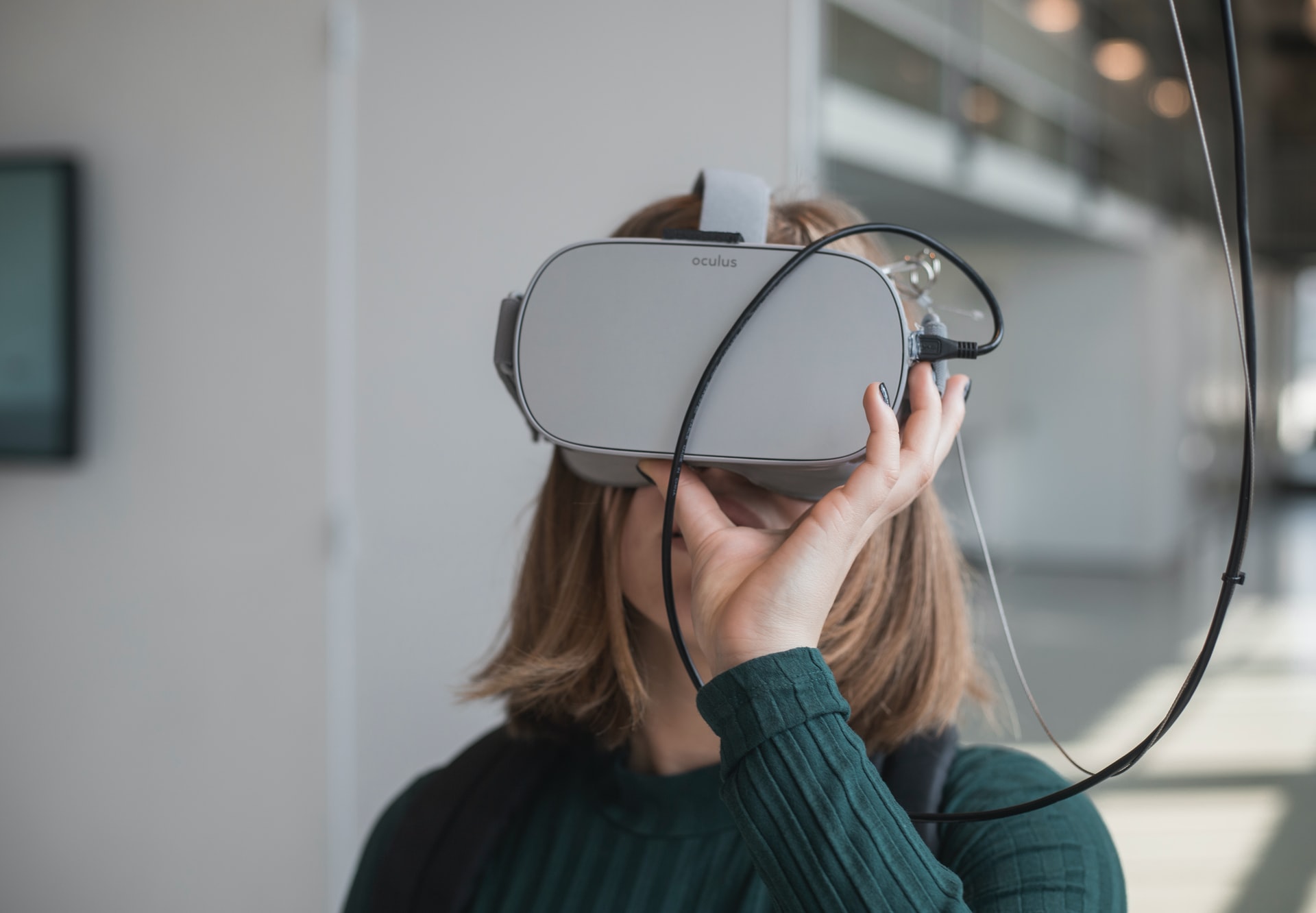
In recent years, Meta (formerly Facebook) has doubled down on its commitment to virtual reality, viewing it as a cornerstone of the future metaverse. One vital part of this strategy has been acquiring top-tier VR content studios to enhance the offerings available on its Oculus platform. By bringing these studios into the fold under the Oculus Studios banner, Meta has aimed to control both the hardware and the creative software that defines the VR experience.
Table of Contents
TLDR:
Meta has acquired four major VR studios as part of its mission to lead the development of immersive virtual experiences. These studios—Beat Games, Sanzaru Games, Ready at Dawn, and Twisted Pixel—are now part of the Oculus Studios family. Each brings unique strengths in gameplay, storytelling, and immersion to the Meta VR ecosystem. The acquisitions highlight Meta’s strong focus on content creation for the expanding VR and metaverse landscape.
Meta’s Acquisition Strategy in VR
To build a robust ecosystem for Oculus, Meta realized that just producing high-end hardware wasn’t enough. The company needed to ensure that users had access to premium, exclusive content that pushed the boundaries of what VR could be. That’s where strategic acquisitions came in. Over the past few years, Meta has made it a priority to purchase some of the most promising game developers in the VR space.
These acquisitions not only secure top talent but also provide Meta with the creative control needed to execute its ambitious vision for the metaverse. Below is a look at the four key studios Meta has acquired and what each brings to the Oculus experience.
1. Beat Games – Creators of Beat Saber
Acquired in November 2019, Beat Games is the developer behind Beat Saber, one of the most popular and recognizable titles in virtual reality. This rhythm-based game allows players to slash oncoming blocks to the beat of the music using virtual lightsabers. Its simple yet addictive gameplay and high replay value have made it a VR staple.

By bringing Beat Games into Oculus Studios, Meta ensured a continuous stream of new content for one of the VR platform’s flagship titles. It also helped Beat Saber evolve with new modes, DLC music packs from major artists, and social multiplayer support.
Key Contributions:
- Market-defining gameplay for VR rhythm games
- Strong community and modding support
- Frequent content updates and music packs
2. Sanzaru Games – Masters of VR Action RPG
In early 2020, Meta acquired Sanzaru Games, known for the critically acclaimed VR RPG title Asgard’s Wrath. The game wowed the VR audience with its console-quality graphics, deep narrative, and high interactivity within a Norse mythology-inspired world. This acquisition showcased Meta’s intent to expand beyond casual VR games into larger, more ambitious projects.
Sanzaru’s experience across various platforms—including developing titles for PlayStation and Nintendo—brings seasoned creative talent into the Meta ecosystem.

Key Contributions:
- Bringing AAA-style action-RPG mechanics to VR
- Technical innovation in world-building and physics interaction
- Expanding the scope of what’s possible in VR games
3. Ready at Dawn – Pioneers in VR Mechanics
Acquired in mid-2020, Ready at Dawn is best known in the VR world for the Lone Echo series—titles that redefine what’s possible with zero-gravity movement and immersive storytelling. With their experience also including traditional gaming on platforms like PlayStation, Ready at Dawn brings a legacy of high-quality production values and technical mastery.
The Lone Echo games earned widespread praise for their intuitive locomotion systems and emotional narratives. Their multiplayer counterpart, Echo VR, also introduced innovative competitive mechanics.
Key Contributions:
- Immersive first-person storytelling in a sci-fi setting
- Industry-leading zero-gravity locomotive systems
- Development of competitive multiplayer VR experiences
4. Twisted Pixel – Experimental VR Storytelling
The fourth studio to join the Oculus Studios lineup is Twisted Pixel, known for its original and often quirky games such as Wilson’s Heart and Path of the Warrior. Meta acquired the studio to add innovation and creativity to its VR content stable. Twisted Pixel excels in stylized storytelling and atmospheric interactions that make use of VR’s unique capabilities.
Known for pushing genre boundaries, Twisted Pixel focuses more on delivering immersive narratives with experimental gameplay features, offering something distinctive compared to the other Oculus Studios developers.
Key Contributions:
- Stylized visual aesthetics
- Innovative use of tactile VR interaction
- Unique narrative-driven gameplay
What These Acquisitions Mean for Meta’s Future
Owning these four influential studios has allowed Meta to significantly expand its reach in the VR market. These acquisitions not only bring ongoing exclusive content to the Oculus platform, but they also serve as a foundation on which Meta aims to build its vision of the metaverse.
Each studio strengthens Meta’s software ecosystem from a different angle—whether it’s Beat Games’ rhythm dynamics, Sanzaru’s epic quests, Ready at Dawn’s spatial storytelling, or Twisted Pixel’s creative flair. Together, they ensure that Oculus isn’t just a device—it becomes a gateway to fully realized virtual experiences.
With these teams onboard, Meta can develop first-party content more quickly, experiment with next-generation interaction models, and compete more directly against others in the burgeoning VR and AR industries.
Conclusion
Meta’s acquisition of Beat Games, Sanzaru Games, Ready at Dawn, and Twisted Pixel underscores its serious investment in the virtual reality space. By merging hardware with high-quality first-party content, Meta continues to shape the mainstream adoption of VR. These studios, each with their own specialty and creative voice, are integral to Meta’s mission to transform how people interact, play, and socialize in the digital realm.
FAQ – Frequently Asked Questions
-
Q: Why did Meta acquire these VR studios?
A: Meta acquired these studios to control more of the VR content creation process and ensure high-quality, exclusive games for its Oculus platform. This bolsters Meta’s competitiveness and supports its long-term vision of building the metaverse. -
Q: Are the games from these studios only available on Oculus devices?
A: For the most part, yes. After the acquisitions, most of the studios’ new titles are designed specifically for Oculus devices, and some games have become Oculus exclusives. -
Q: What is Oculus Studios?
A: Oculus Studios is a publishing and development label under Meta that focuses on producing and distributing high-quality virtual reality content, often in collaboration with internal and external studios. -
Q: Will Meta acquire more VR studios in the future?
A: While there has been no formal announcement, it’s likely that Meta will continue to acquire or invest in VR developers to expand its portfolio and strengthen its content dominance in the space. -
Q: How do these acquisitions affect the larger VR industry?
A: Meta’s moves put pressure on other tech companies to invest more in VR content. It also raises concerns about consolidation, as fewer independent studios remain in the space, potentially limiting diversity in creative output.