Healthcare has changed fast in the last few years. You no longer have to sit in a waiting room flipping through old magazines. You can talk to a doctor from your couch. Or your office. Or even your car. Telemedicine makes healthcare simple, quick, and often cheaper. It connects patients and doctors through phones, tablets, and computers. And it is here to stay.
TLDR: Telemedicine platforms help patients meet doctors online through video, chat, or phone calls. They save time, reduce travel, and make healthcare more accessible. In this article, we explore five popular platforms: Teladoc Health, Amwell, Doxy.me, MDLIVE, and Doctor on Demand. Each one offers unique features, but all make getting care easier and faster.
Let’s take a closer look at five telemedicine platforms that are leading the way.
Table of Contents
1. Teladoc Health
Teladoc Health is one of the biggest names in telemedicine. It serves millions of patients worldwide. It is known for its wide range of services and easy-to-use platform.
With Teladoc, patients can get help with:
- General medical issues
- Mental health counseling
- Dermatology concerns
- Chronic condition management
- Nutrition advice
The platform is available 24/7. That means no waiting for clinic hours. You can book a visit through the website or mobile app. Most visits happen through secure video calls. Some services are also available by phone.
Why people like Teladoc:
- Large network of licensed doctors
- Fast appointment scheduling
- Strong mental health support
- Works with many insurance plans
Teladoc is especially helpful for people managing long-term conditions. It offers tools to track progress and stay connected with healthcare providers.
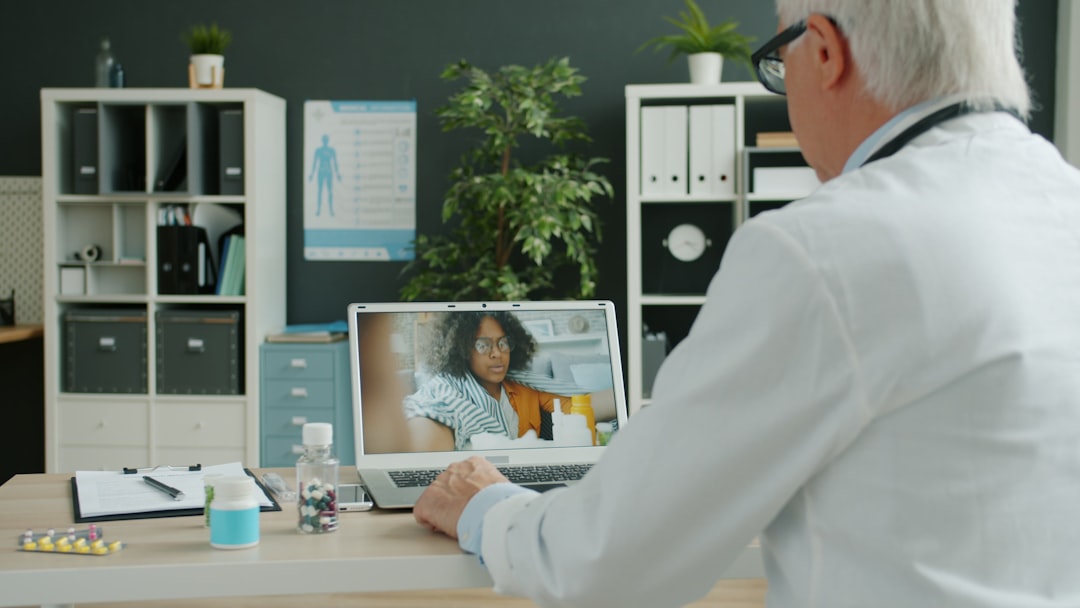
The platform also focuses on data security. Patient information is encrypted. Privacy is taken seriously. That is important when sharing medical details online.
2. Amwell
Amwell is another trusted telemedicine platform. It connects patients with doctors, specialists, and therapists. The service is available across the United States.
Amwell makes healthcare feel less stressful. The platform is clean and simple. You create an account. Choose a provider. Pick a time. Then start your visit.
Amwell offers:
- Urgent care visits
- Therapy and psychiatry sessions
- Pediatric care
- Women’s health services
- Nutrition counseling
One standout feature is its behavioral health support. Mental health is just as important as physical health. Amwell makes it easy to find licensed therapists and psychiatrists.
What makes Amwell special?
- Strong hospital partnerships
- Insurance-friendly pricing
- High-quality video platform
- Specialist access without referrals in many cases
Hospitals and health systems often use Amwell’s technology to power their own telemedicine services. That means patients may already be using Amwell without realizing it.

The platform works on smartphones, tablets, and computers. Technical support is available if you get stuck. This makes it user-friendly even for first-time users.
3. Doxy.me
Doxy.me is a little different. It focuses on simplicity. It is built mainly for healthcare providers. But patients benefit from its easy setup.
Here is the cool part: patients do not need to download anything. No apps. No complicated installs. They simply click a link and join the appointment.
How Doxy.me works:
- A provider sends a custom link
- The patient clicks the link
- The session starts in a web browser
That’s it.
Doxy.me is popular with therapists, counselors, and small clinics. It offers free and paid plans for providers. This makes it affordable for smaller practices.
Top features include:
- Virtual waiting room
- Customizable branding for clinics
- Secure and encrypted sessions
- No downloads required
Because it runs in a browser, it works on most devices. Patients who are not tech-savvy often find it easier to use. There are fewer steps. Fewer buttons. Less confusion.
It may not have as many large-scale services as Teladoc or Amwell. But for private practices, Doxy.me is a smart and efficient tool.
4. MDLIVE
MDLIVE focuses on affordable, everyday care. It offers access to board-certified doctors and licensed therapists. Appointments are available during the day, at night, and even on weekends.
This platform is great for common health issues like:
- Cold and flu symptoms
- Allergies
- Sinus infections
- Skin problems
- Minor injuries
Instead of rushing to urgent care, patients can log in and see a doctor within minutes. Prescriptions can be sent directly to a local pharmacy.
Why choose MDLIVE?
- Transparent pricing
- Quick wait times
- Easy prescription handling
- Mental health services available
MDLIVE also partners with employers and insurance companies. Many people have access through workplace benefits. That can lower out-of-pocket costs.
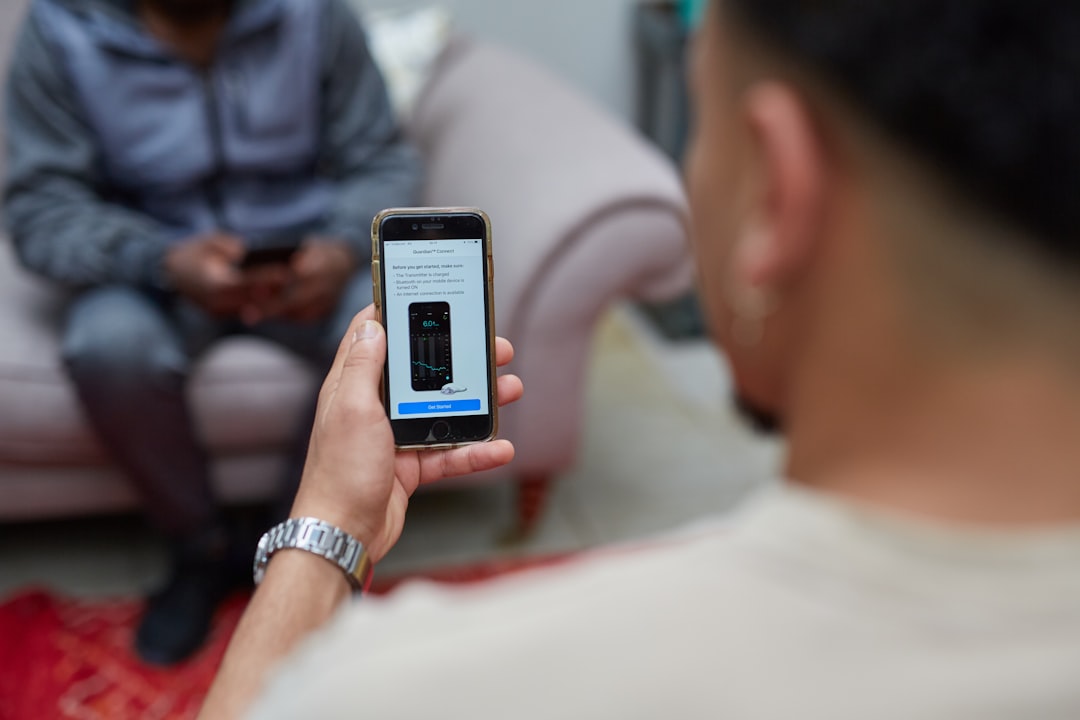
The mobile app is smooth and responsive. It sends reminders before appointments. It also stores visit history for easy reference.
For busy families, MDLIVE is a big time-saver. Parents can schedule pediatric visits without packing kids into the car. That alone is a huge win.
5. Doctor on Demand
Doctor on Demand combines convenience with quality care. It offers video visits with doctors, psychiatrists, and psychologists.
The platform focuses heavily on mental health support. Patients can choose providers based on specialty, background, and patient reviews. That adds a personal touch.
Services include:
- Preventive health visits
- Chronic condition management
- Therapy sessions
- Psychiatric evaluations
- Prescription management
Doctor on Demand is known for its friendly interface. The design feels modern and welcoming. It guides users step by step.
What users appreciate:
- Clear pricing before visits
- Short wait times
- Diverse provider network
- Strong privacy protections
This platform is also integrated with many insurance plans and employer benefit programs. That helps reduce surprise bills.
Why Telemedicine Matters
Telemedicine is more than just video calls. It removes barriers. It brings healthcare to people in rural areas. It helps those with mobility issues. It supports busy professionals who cannot take time off work.
Here are some big benefits:
- No travel time
- Shorter waiting periods
- Reduced exposure to illness
- Greater access to specialists
- Comfort of home during visits
It also supports mental health care. Many patients feel more relaxed speaking to a therapist from home. That comfort can lead to more open conversations.
Healthcare systems also benefit. Telemedicine reduces overcrowded clinics. It lowers emergency room visits for minor issues. It helps providers manage patient loads more efficiently.
Things to Consider Before Choosing a Platform
Not all telemedicine platforms are the same. Think about your needs before signing up.
Ask yourself:
- Do I need urgent care or ongoing therapy?
- Does the platform accept my insurance?
- Is technical support available?
- Are doctors available in my state or country?
- Do I prefer app-based or browser-based visits?
Also check pricing. Some platforms charge per visit. Others offer subscription models. Always read the fine print.
Privacy matters too. Make sure the platform uses secure, encrypted technology. Look for compliance with healthcare privacy laws in your region.
The Future of Telemedicine
Telemedicine is still growing. New features are appearing every year. Some platforms now offer remote monitoring devices. Patients can track blood pressure, glucose levels, and heart rate from home.
Artificial intelligence is also entering the picture. AI tools can help with early diagnosis. They can guide patients to the right care faster.
In the future, telemedicine may blend even more with in-person care. Hybrid models are becoming popular. Patients might visit a clinic once a year but handle smaller issues online.
The goal is simple. Make healthcare easier. Make it faster. Make it accessible to everyone.
Final Thoughts
Telemedicine has transformed healthcare delivery. It puts doctors in your pocket. It saves time. It reduces stress.
Platforms like Teladoc Health, Amwell, Doxy.me, MDLIVE, and Doctor on Demand are leading the way. Each offers unique strengths. But all share one mission: better healthcare access.
If you have not tried telemedicine yet, now might be the perfect time. The waiting room is officially optional.