Artificial Intelligence (AI) is rapidly transforming how organizations manage their operations in an increasingly complex and competitive world. From predictive analytics to intelligent automation, AI solutions are enabling companies to streamline workflows, reduce costs, and make smarter decisions in real time. Modern operations management is no longer just about coordination and oversight; it is about leveraging data-driven intelligence to anticipate challenges and unlock new levels of efficiency.
TLDR: AI solutions are reshaping modern operations management by enhancing decision-making, automating repetitive processes, and improving forecasting accuracy. Businesses use AI for predictive maintenance, supply chain optimization, demand forecasting, and workforce planning. These technologies reduce operational costs, increase agility, and provide real-time insights. Companies that integrate AI effectively gain a significant competitive advantage in speed, efficiency, and innovation.
Table of Contents
The Evolution of Operations Management
Operations management has traditionally focused on organizing resources—people, processes, and technology—to deliver products and services efficiently. Over time, globalization, e-commerce, and digital transformation have made operations more interconnected and complex. Manual oversight and traditional analytics tools are no longer sufficient for managing massive data flows and dynamic market conditions.
Enter AI. By harnessing machine learning, natural language processing, computer vision, and advanced analytics, AI systems can process enormous datasets and identify patterns beyond human capability. This shift has enabled organizations to move from reactive management to proactive and predictive operations.
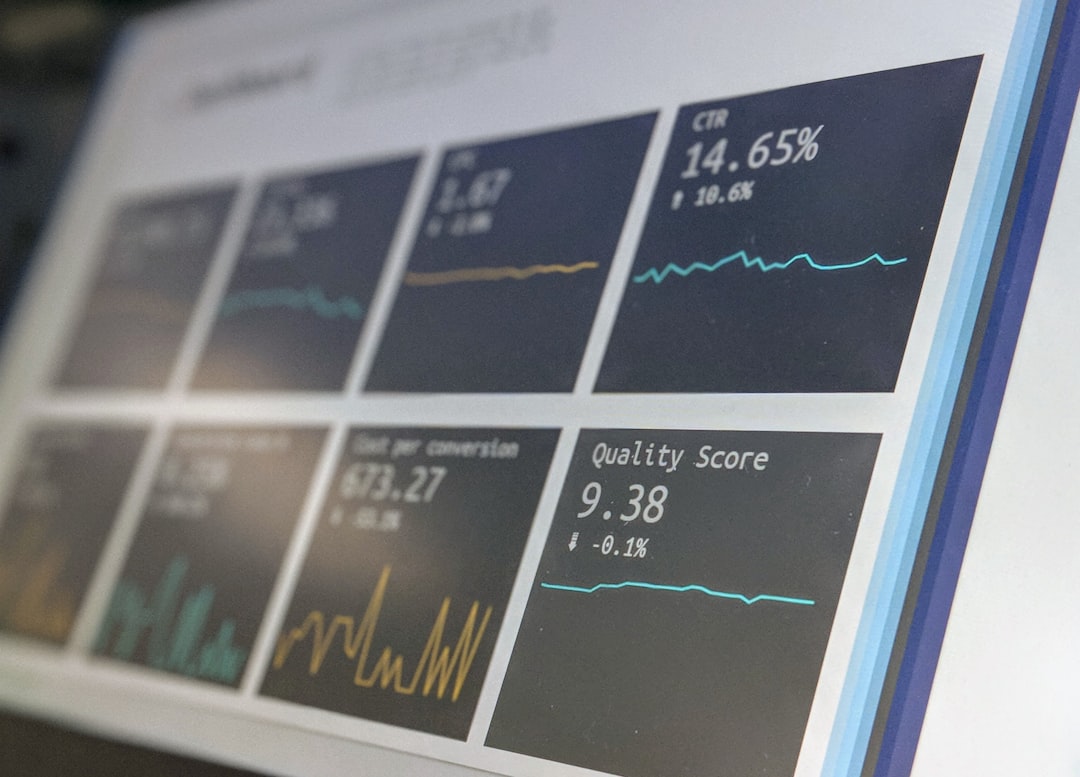
Predictive Analytics for Smarter Decision-Making
One of the most impactful AI applications in operations management is predictive analytics. AI algorithms analyze historical and real-time data to forecast future outcomes with remarkable accuracy. Instead of relying solely on intuition or historical averages, managers can make decisions based on predictive insights.
Key benefits of predictive analytics include:
- Demand forecasting: Anticipate customer demand fluctuations and adjust production accordingly.
- Inventory optimization: Reduce overstock and stockouts by aligning supply with predicted demand.
- Risk mitigation: Identify potential disruptions before they escalate.
- Capacity planning: Allocate resources efficiently based on projected workloads.
For example, AI-driven systems can analyze seasonal trends, economic indicators, and customer behavior to forecast demand with precision. This not only minimizes waste but also enhances customer satisfaction by ensuring products are available when needed.
Intelligent Automation and Process Optimization
Automation has long been a part of operations management, but AI elevates it to a new level. Intelligent automation combines robotic process automation (RPA) with machine learning to manage dynamic, decision-based tasks rather than just repetitive workflows.
Examples of AI-powered automation include:
- Automated invoice processing with error detection.
- AI chatbots handling customer inquiries and service requests.
- Workflow optimization tools that reassign tasks based on real-time capacity.
- Smart scheduling systems adapting to unexpected changes.
AI systems can continuously learn and refine processes over time. Instead of following fixed rules, they adapt based on patterns and outcomes, leading to measurable improvements in productivity and cost efficiency.
Supply Chain Optimization
Supply chains have become increasingly global and fragile. AI provides the visibility and intelligence required to manage this complexity effectively. With real-time monitoring and predictive capabilities, businesses can optimize routes, anticipate delays, and balance inventory across multiple locations.
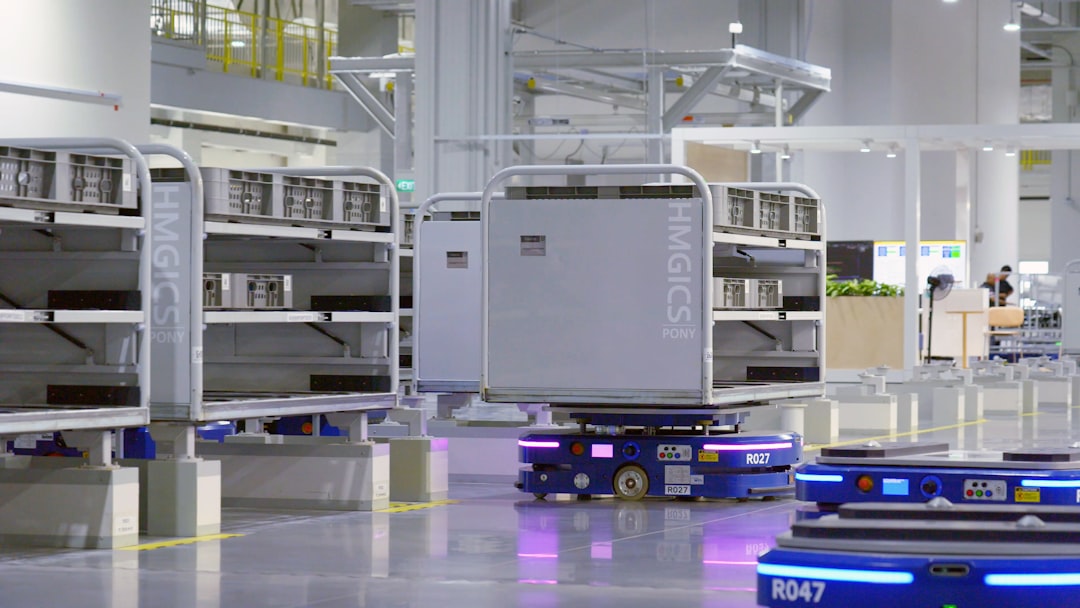
AI-driven supply chain management offers:
- Dynamic route planning: Adjust transportation routes based on traffic, weather, or geopolitical issues.
- Supplier performance analysis: Identify reliable partners and mitigate risks.
- Inventory synchronization: Coordinate stock levels across multiple distribution centers.
- Disruption prediction: Detect potential bottlenecks or shortages before they occur.
For instance, during unexpected global disruptions, AI systems can simulate various scenarios and recommend alternative sourcing strategies. This resilience is critical in maintaining operational continuity and customer trust.
Predictive Maintenance and Asset Management
Equipment downtime can be extremely costly. Traditional maintenance strategies often rely on fixed schedules or reactive repairs. AI transforms maintenance management through predictive modeling.
Using IoT sensors and machine learning, predictive maintenance systems analyze equipment performance and identify anomalies indicating potential failure. Instead of fixing equipment after it breaks—or servicing it unnecessarily—organizations can schedule maintenance at the optimal time.
The advantages are clear:
- Reduced unplanned downtime.
- Extended equipment lifespan.
- Lower maintenance costs.
- Improved safety compliance.
By continuously monitoring asset health, AI enables operations managers to focus on strategic priorities rather than emergency interventions.
Workforce Planning and Human Capital Optimization
Operations management is not just about machines and systems—it is also about people. AI helps organizations anticipate workforce needs, manage schedules, and support employee productivity.
Smart workforce planning tools can:
- Predict staffing requirements based on demand.
- Optimize shift scheduling while considering employee preferences.
- Analyze performance metrics for targeted training programs.
- Identify risks of burnout or turnover.
AI-powered analytics provide leaders with a holistic view of workforce performance. By aligning staffing levels with operational requirements, companies can reduce labor costs while maintaining service quality. Additionally, data-driven insights improve employee satisfaction by creating fair and balanced schedules.
Real-Time Monitoring and Decision Intelligence
Modern operations demand immediate insight. AI systems integrate data from multiple sources—enterprise resource planning (ERP) systems, sensors, customer databases, and more—into unified dashboards.
These platforms offer:
- Real-time performance tracking.
- Automated alerts for anomalies.
- Scenario modeling for rapid response.
- Data-driven recommendations.
Decision intelligence goes a step further by not only presenting data but also suggesting actions. For example, if demand surges in a certain region, the system might recommend reallocating inventory or increasing shift capacity.
Cost Reduction and Sustainability
Cost management is central to operations strategy, and AI contributes significantly by eliminating inefficiencies and reducing waste. Optimized routing cuts fuel consumption. Improved demand forecasting prevents overproduction. Predictive maintenance reduces emergency repairs.
Beyond cost savings, AI also supports sustainability goals. Companies can use AI to:
- Minimize energy consumption.
- Optimize packaging and material usage.
- Track carbon emissions across supply chains.
- Enhance recycling and circular economy initiatives.
This alignment between profitability and environmental responsibility is increasingly important to stakeholders and customers alike.
Challenges in Implementing AI Solutions
While the benefits are compelling, integrating AI into operations management is not without challenges. Organizations must address:
- Data quality and integration: AI systems depend on accurate, consistent data.
- Change management: Employees may resist adopting new technologies.
- Ethical considerations: Transparency and fairness in algorithmic decisions are essential.
- Cybersecurity risks: Increased connectivity requires robust protection measures.
Successful implementation requires a clear strategy, executive support, cross-functional collaboration, and continuous training. AI should augment human expertise rather than replace it entirely.
The Future of AI in Operations Management
The future of operations management will be defined by increasingly autonomous systems capable of self-optimization. Advances in generative AI, edge computing, and digital twins are already expanding possibilities. Digital twin technology, for example, allows businesses to simulate entire operations environments and test strategies before deploying them in the real world.
We can expect to see:
- Self-healing supply chains that automatically reroute shipments.
- Hyper-personalized production based on real-time customer preferences.
- Fully integrated ecosystems connecting suppliers, partners, and customers.
- AI-driven scenario planning for strategic decision-making.
As AI capabilities evolve, the role of operations managers will also change. Instead of focusing primarily on tactical coordination, they will act as strategic orchestrators of intelligent systems.
Conclusion
AI solutions are no longer optional enhancements—they are becoming foundational components of modern operations management. By leveraging predictive analytics, intelligent automation, supply chain optimization, and real-time monitoring, organizations can achieve unprecedented efficiency and resilience.
Companies that embrace AI thoughtfully and strategically gain more than just cost savings. They unlock agility, responsiveness, and innovation. In a world where speed and adaptability determine success, AI stands as a powerful ally in transforming operations from reactive management to intelligent, data-driven leadership.