Breaking into the game industry as a concept artist is a dream for many creatives fascinated by the fusion of art and entertainment. Concept art plays a pivotal role in shaping the visual identity of video games, from early sketches to polished environments and character designs. But getting a foot in the door can be daunting.
Table of Contents
TLDR:
Becoming a concept artist in the game industry requires talent, persistence, and a deep understanding of both artistic fundamentals and the production pipeline. Building a strong portfolio, networking, and continuously improving your skills are crucial. Specializing in areas like environments, characters, or props helps you stand out. Entry-level opportunities often come from indie studios or internships before landing larger roles in AAA game companies.
What is a Concept Artist?
A concept artist is responsible for visualizing ideas that shape the look and feel of a game. Working closely with art directors, game designers, and 3D modelers, concept artists produce compelling visuals that guide the production process. These preliminary sketches and renderings help establish key elements such as:
- Characters: Heroes, villains, and NPCs
- Environments: Landscapes, architecture, interiors
- Props: Weapons, vehicles, everyday objects
- Moods and Themes: Visual suggestions for tone and atmosphere
Concept artists operate at the early stages of development, iterating rapidly to generate ideas that match the game’s narrative and mechanic vision.
Essential Skills for a Concept Artist
Breaking into the competitive world of game development requires a solid foundation in various art disciplines. Aspiring concept artists should prioritize the following skill areas:
- Strong Drawing Ability: The cornerstone of great concept art is the ability to draw accurately, expressively, and efficiently.
- Understanding of Light, Form, and Color: Mastery over these elements allows for the creation of compelling and realistic designs.
- Storytelling through Design: Beyond looking “cool,” concepts must tell part of the story.
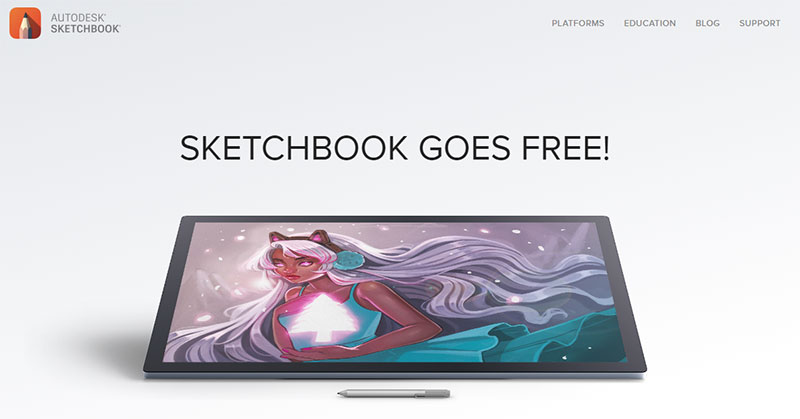
- Digital Painting Skills: Most professional work will be done in software like Photoshop, Procreate, or Krita.
- 3D Tools Knowledge (optional but beneficial): Tools like Blender or ZBrush can enhance an artist’s workflow and accuracy.
Soft skills like communication, problem-solving, and the ability to take feedback are equally essential for collaboration within a studio environment.
Building a Portfolio That Shines
A compelling portfolio is the key to entering the industry. Most employers will base their hiring decisions almost entirely on your portfolio. Here’s what an effective concept art portfolio should include:
- Specialization: Focus on a specific domain (characters, environments, creatures) while showing some versatility.
- Original Work: Fan art is acceptable, but employers want to see your ability to envision unique worlds.
- Design Process: Include early sketches, thumbnails, and iterations alongside final pieces.
- Quality over Quantity: A concise portfolio with 8–15 strong, original pieces outshines a sprawling, inconsistent one.
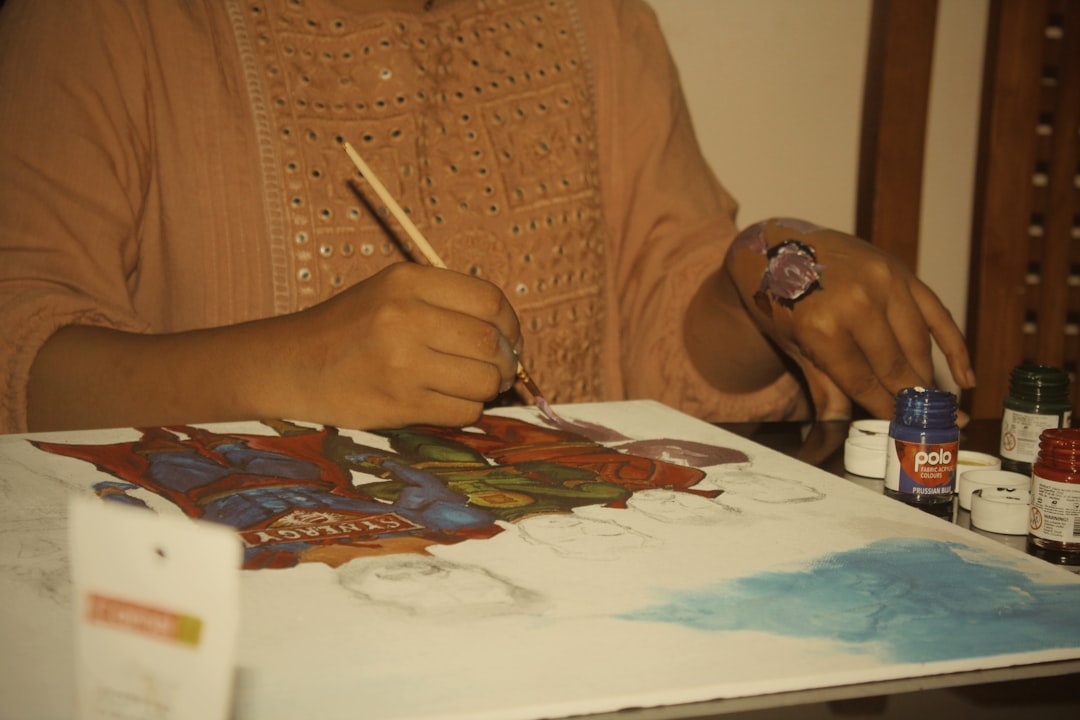
Online presence is vital. Platforms like ArtStation, Behance, or even personal websites function as modern-day business cards. Social media can also help establish visibility and connect with potential employers and peers.
Education and Self-Teaching
While a degree in art, illustration, or visual development can be helpful, it’s not a strict requirement. What truly matters is your skillset and how you present it. Many successful concept artists are self-taught or have attended online courses and mentorship programs instead of traditional art schools.
Recommended learning resources include:
- FZD School of Design tutorials
- Learn Squared and Schoolism
- Gnomon Workshops
- Art communities like CGSociety and DeviantArt
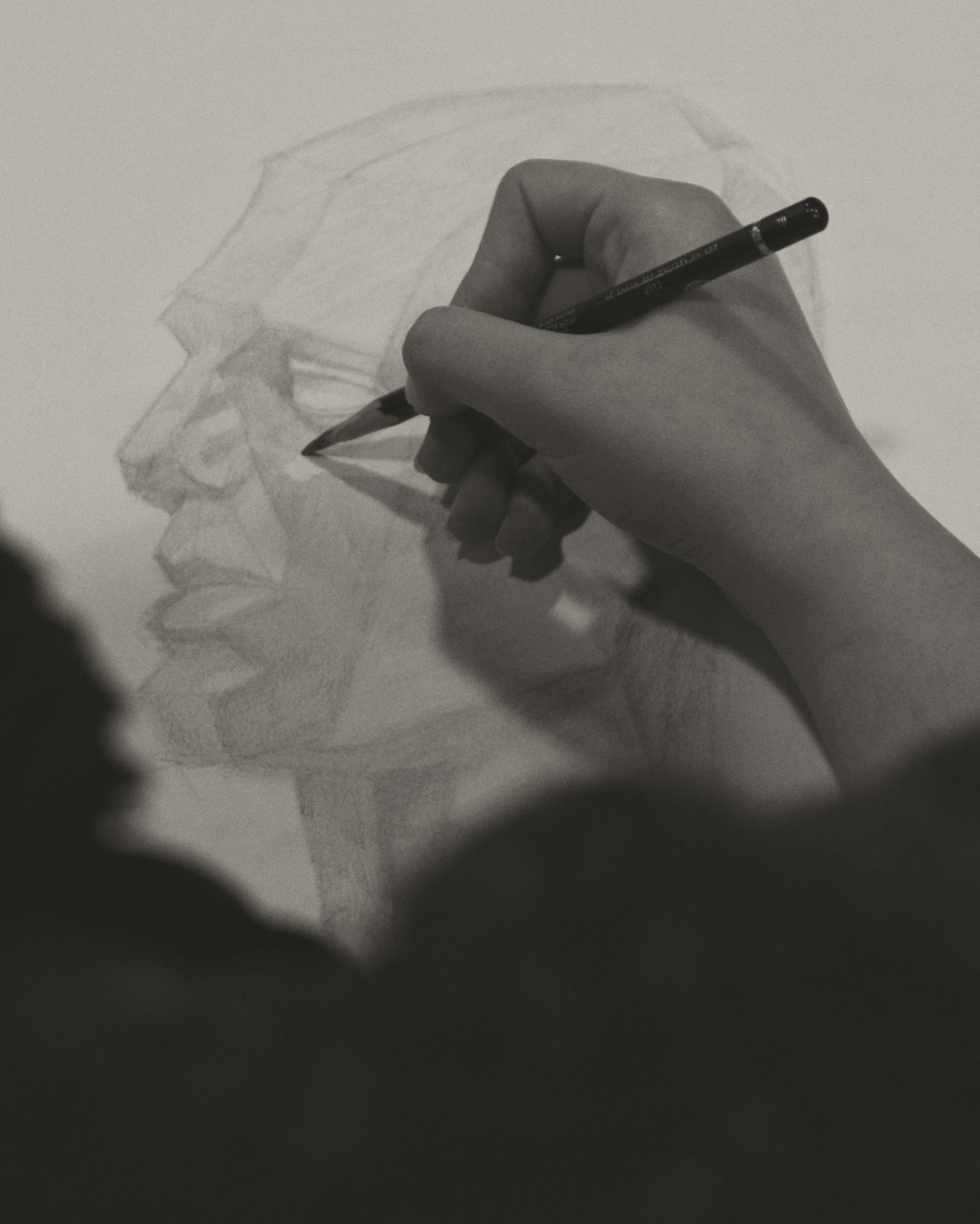
Networking and Industry Exposure
Networking is often the secret ingredient to landing a game industry job. While raw talent is critical, many positions are filled based on relationships and referrals. Here are ways aspiring concept artists can start building a network:
- Attend Industry Events: Conferences like GDC or local game dev meetups provide great exposure.
- Join Game Jams: Events like Global Game Jam allow you to collaborate and build valuable experience.
- Participate in Online Communities: Discord servers, Reddit forums, and Facebook groups for game developers are great places to meet others in the field.
- Reach Out to Mentors: Don’t be afraid to ask professionals for feedback on your work.
Entry Points into the Game Industry
Entry-level positions for concept artists are limited compared to other roles like QA or junior 3D artists. That said, many enter the industry through alternative routes such as:
- Internships or Apprenticeships: These are invaluable learning opportunities, especially with AA or indie studios.
- Freelancing: Doing small contracts for mobile or indie games builds both your portfolio and reputation.
- Modding Communities: Contributing to game mods offers real-world design challenges and boosts visibility.
- Related Entry Positions: Roles in 2D art, animation, or even QA can help you transition into a concept art role.
Key Tips for Aspiring Concept Artists
Here are a few actionable tips for those determined to join the industry:
- Practice Daily: Improvement in art is cumulative. Even 1–2 hours a day leads to significant progress over time.
- Learn from the Pros: Analyze portfolio pieces of successful industry artists and try to replicate their workflow.
- Seek Feedback: Join critique circles or online review streams to get informed, constructive criticism.
- Stay Persistent: Breaking into the game industry takes time; rejection is part of the process.
Conclusion
Becoming a concept artist in the game industry is no easy feat, but it’s far from impossible. By mastering the necessary skills, building a stellar portfolio, engaging with the community, and continuously improving, aspiring artists can carve out a path to making their creative dreams come true. The journey is often long and requires grit, but for those passionate about visual storytelling, it’s a deeply rewarding career.
FAQ
Do I need a degree to become a concept artist?
No, a degree is not required. While formal education can be helpful, many artists are self-taught or learn from online platforms. What truly matters is your portfolio.
How long does it take to become a concept artist?
It varies based on individual skill and dedication. With consistent effort, many artists build a competitive portfolio within 1–3 years of focused study.
Is it better to specialize or be a generalist?
Specializing (e.g., in characters or environments) helps you stand out when applying for roles, but knowledge of other areas is a big advantage.
Which software should I learn?
Photoshop is the industry standard. However, familiarity with tools like Procreate, Blender, or Clip Studio Paint can also be beneficial.
Are freelance jobs a viable way into the game industry?
Absolutely. Many concept artists start by freelancing with indie developers or small studios before transitioning into permanent roles.