SoFi has quickly become one of the most talked-about online financial institutions in the United States. With competitive interest rates, no-fee accounts, investment tools, and loan products under one digital roof, it positions itself as a modern alternative to traditional banks. But is SoFi actually a good bank, or is it just smart marketing backed by a sleek app?
TLDR: SoFi is a strong choice for consumers who prefer digital banking, high interest rates, and low fees. It offers competitive APYs, no account fees, and attractive perks like early direct deposit and member benefits. However, it lacks physical branches and may not suit those who prefer in-person service. Overall, it earns high marks for value, but it is best for tech-savvy users comfortable with online banking.
Table of Contents
What Is SoFi?
SoFi, short for Social Finance, began as a student loan refinancing company but has since evolved into a full-service financial platform. Today, it offers:
- Checking and savings accounts
- Personal, home, and student loans
- Investment accounts
- Credit cards
- Financial planning resources
In 2022, SoFi became a nationally chartered bank, meaning its deposit accounts are FDIC insured (up to standard limits). This significantly boosted its credibility in the financial industry.
SoFi Checking and Savings Overview
SoFi combines checking and savings into one hybrid account product, often marketed as “SoFi Checking and Savings.” This simplifies banking by allowing users to manage both spending and saving in a single interface.
Key Features
- No monthly maintenance fees
- No overdraft fees
- Competitive APY on savings (with qualifying direct deposit)
- Early direct deposit (up to two days early)
- FDIC insurance
- Large ATM network
The absence of common bank fees is one of SoFi’s most attractive features. Many traditional banks still charge monthly fees unless minimum balance requirements are met. SoFi eliminates that barrier.
Interest Rates: How Competitive Is SoFi?
One of SoFi’s strongest selling points is its high-yield savings rate. Compared to traditional brick-and-mortar banks — which often offer very low interest on savings — SoFi’s APY is significantly more competitive.
However, the highest rates often require qualifying direct deposits. Without direct deposit, the rate may be noticeably lower.
Comparison Snapshot:
| Feature | SoFi | Traditional Bank | Online Bank Average |
|---|---|---|---|
| Monthly Fees | None | $5–$15 (often) | Usually none |
| Savings APY | High (with direct deposit) | Very low | Competitive |
| Overdraft Fees | None | $30–$35 typical | Usually none |
| Physical Branches | No | Yes | No |
From a pure interest-rate perspective, SoFi ranks near the top among major online banks.
Fees and Charges
A bank’s fee structure can significantly impact long-term savings. SoFi performs exceptionally well here.
Common Fees at SoFi:
- $0 monthly maintenance fees
- $0 overdraft fees
- $0 minimum balance requirement
This transparent fee structure makes SoFi appealing to younger customers and those trying to avoid surprise charges.
However, customers should still review specific product fees (such as wire transfers or certain transaction types), as these can vary.
Mobile App and User Experience
Since SoFi operates entirely online, its app and digital interface are crucial. Reviews consistently praise the clean design and intuitive user experience.
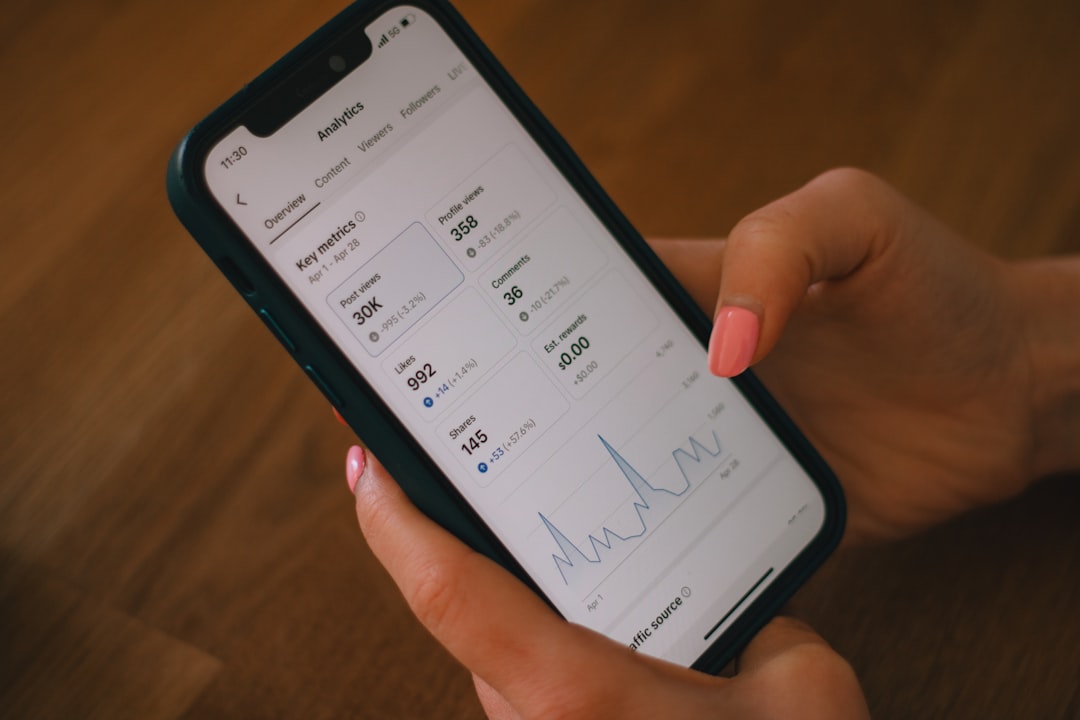
App Features Include:
- Budget tracking tools
- Real-time transaction notifications
- Credit score monitoring
- Investment access
- Bill pay functionality
Many users appreciate the all-in-one dashboard, which consolidates banking, investing, and loans in one place. This integration differentiates SoFi from more narrowly focused online banks.
Loans and Additional Financial Products
Unlike many online banks that only offer checking and savings, SoFi provides a wide range of lending products. These include:
- Personal loans
- Home loans and refinancing
- Student loans
- Private student loan refinancing
Interest rates depend heavily on creditworthiness. Borrowers with strong credit profiles often receive competitive offers.
Having multiple financial products under one institution may appeal to customers who prefer convenience and a unified financial ecosystem.
Security and Safety
Security is a critical concern for online-only banks. SoFi provides:
- FDIC insurance (up to legal limits)
- Two-factor authentication
- Encryption technology
- Fraud monitoring systems
From a regulatory and insurance standpoint, SoFi operates similarly to traditional banks, offering the same level of deposit protection.
Pros and Cons
An honest review requires looking at both sides.
Pros
- High savings APY (with qualifying direct deposit)
- No monthly or overdraft fees
- User-friendly app
- Wide range of financial products
- Early direct deposit feature
Cons
- No physical branches
- Best rates require direct deposit
- No cash deposits (directly)
- Customer service experiences vary
Who Is SoFi Best For?
SoFi is particularly well-suited for:
- People comfortable with fully digital banking
- Young professionals
- Individuals seeking high-yield savings
- Customers wanting combined banking and investing services

It may not be ideal for:
- Customers who prefer in-person banking
- Business account seekers (limited small business services)
- Those who frequently deposit cash
Customer Reviews and Ratings
Across major review platforms, SoFi generally receives strong ratings for:
- Competitive interest rates
- No hidden fees
- Modern, easy-to-use app
Common complaints typically involve:
- Account verification delays
- Customer service response times
Overall, consumer sentiment leans positive, particularly among users who prioritize yield and app experience over branch access.
Is SoFi a Good Bank Overall?
From an objective perspective, SoFi offers substantial value. Its fee-free structure, high-interest savings potential, and integrated financial services create a strong offering for modern consumers.
However, the absence of physical branches may be a dealbreaker for some. Additionally, the highest APY benefits are tied to qualifying direct deposits, which not every customer can meet.
For individuals seeking a digital-first banking experience with strong savings rates and minimal fees, SoFi ranks among the best choices currently available. For those who prioritize in-person support and traditional banking relationships, it may not be the right fit.
Frequently Asked Questions (FAQ)
1. Is SoFi a real bank?
Yes. SoFi became a nationally chartered bank in 2022 and offers FDIC-insured deposit accounts.
2. Is money safe with SoFi?
Yes. Deposits are insured up to FDIC limits, and SoFi uses encryption and fraud monitoring technologies.
3. Does SoFi charge monthly fees?
No. SoFi does not charge monthly maintenance fees for its checking and savings accounts.
4. Do you need direct deposit to get the highest APY?
Typically, yes. The most competitive interest rates require qualifying direct deposits.
5. Can customers deposit cash?
SoFi does not support direct cash deposits like traditional banks. Customers may need to use partner services or external accounts.
6. Does SoFi offer physical branches?
No. SoFi operates primarily as a digital bank without traditional branch locations.
7. Is SoFi good for beginners?
Yes. Its intuitive mobile app, no-fee structure, and integrated tools make it particularly beginner-friendly.
8. How does SoFi compare to other online banks?
SoFi competes strongly on interest rates and features, especially due to its all-in-one financial ecosystem. However, exact comparisons depend on individual needs and eligibility requirements.