Logistics used to run on phone calls, paperwork, and gut feelings. Not anymore. Today, smart logistics platforms give companies a clear view of everything moving through their supply chain. Trucks. Warehouses. Parcels. Drivers. Data flows in real time. Decisions get smarter. Problems get solved faster. And teams feel more in control.
TLDR: Logistics platforms improve operational visibility by showing real-time data on shipments, inventory, and performance. They connect teams, automate tasks, and reduce costly mistakes. Businesses gain more control, faster decisions, and better customer service. In short, they turn chaos into clarity.
Let’s break it down in a simple way.
A logistics platform is like a control tower for your operations. It connects different tools and systems in one place. Instead of checking five dashboards, you check one. Instead of guessing, you know.
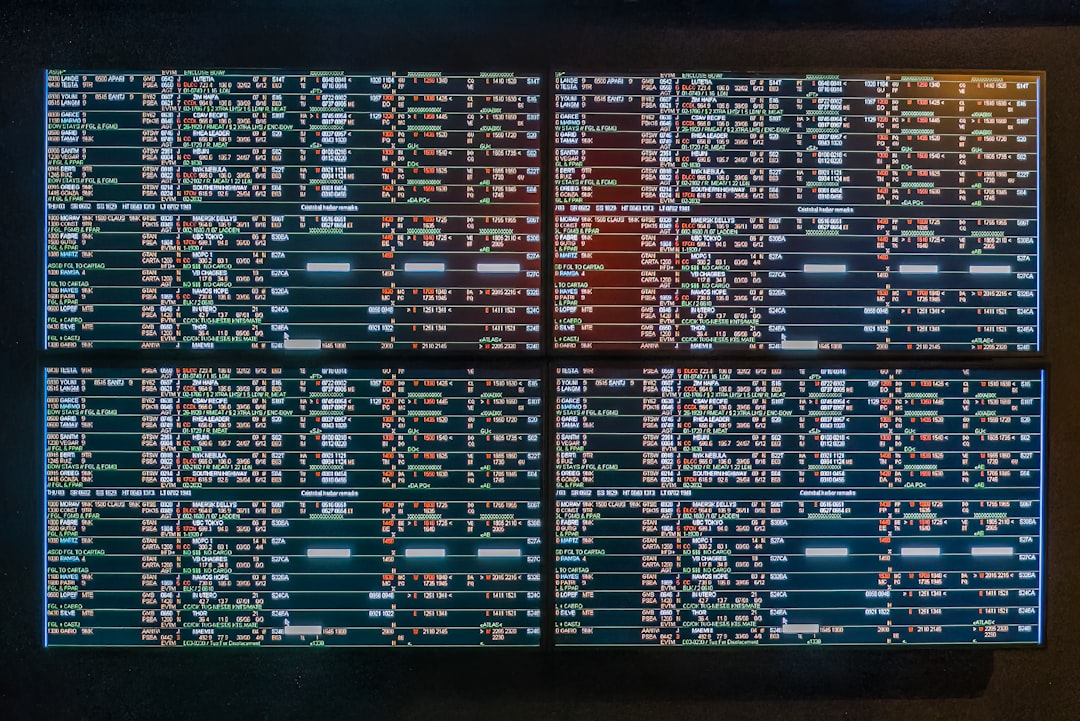
Table of Contents
Why Visibility Matters So Much
Imagine running a marathon blindfolded. That is what poor visibility feels like in logistics. You do not know where shipments are. You do not know why delays happen. You react instead of plan.
Operational visibility gives you:
- Real-time shipment tracking
- Inventory accuracy
- Performance metrics
- Exception alerts
- Historical insights
With this information, you move from guessing to knowing. And knowing changes everything.
What Control Really Means
Visibility is seeing. Control is acting.
When you have strong logistics software, you can:
- Reroute shipments instantly
- Adjust inventory levels quickly
- Prevent stockouts
- Reduce detention fees
- Optimize routes for fuel savings
You are not just watching the problem. You are fixing it fast.
Core Features of Modern Logistics Platforms
Let’s look at what makes these systems powerful.
1. Real-Time Tracking
GPS and IoT sensors track trucks, containers, and packages. You see live maps. You spot delays early. Customers get accurate delivery updates.
2. Inventory Management
Stock levels update automatically. You avoid overstocking. You prevent shortages. Warehouses become more organized.
3. Transportation Management (TMS)
Plan routes. Compare carrier rates. Schedule loads. Monitor performance. All inside one system.
4. Warehouse Management (WMS)
Track goods inside the warehouse. Optimize picking paths. Reduce labor waste. Speed up fulfillment.
5. Analytics and Reporting
Dashboards turn raw data into insights. You see trends. You predict demand. You improve continuously.

Popular Logistics Platforms Compared
Here are several well-known logistics platforms and what they focus on.
| Platform | Main Strength | Best For | Real-Time Visibility | Automation Level |
|---|---|---|---|---|
| Oracle Transportation Management | Enterprise-grade TMS | Large global companies | High | Advanced |
| SAP Extended Warehouse Management | Warehouse operations | Complex distribution centers | High | Advanced |
| Blue Yonder | AI-driven forecasting | Retail and manufacturing | High | Very High |
| Manhattan Active | Omnichannel fulfillment | Ecommerce and retail | High | High |
| Project44 | Shipment visibility network | Companies needing global tracking | Very High | Moderate |
Each platform has strengths. The best choice depends on your size, industry, and goals.
How These Platforms Improve Daily Operations
Let’s get practical. Here is how life improves on the ground.
Fewer Surprises
Late truck? You know early. Damaged goods? You see patterns. Border delay? You get alerts. Surprises shrink.
Faster Decision Making
Data updates instantly. Managers do not wait for end-of-week reports. Decisions happen now.
Better Team Collaboration
Everyone looks at the same dashboard. Sales. Operations. Finance. No more silos.
Improved Customer Satisfaction
Customers love transparency. When they can track shipments, they worry less. Trust grows.
The Power of Integration
A logistics platform should not stand alone. It connects with:
- ERP systems
- Order management tools
- Accounting software
- Ecommerce platforms
- Carrier networks
This creates one connected ecosystem. Data flows automatically. Manual entry decreases. Errors drop.

AI and Automation: The Game Changers
Artificial intelligence adds serious power.
AI can:
- Predict delivery delays
- Forecast demand spikes
- Recommend optimal routes
- Detect unusual shipping patterns
- Suggest cost-saving opportunities
Automation handles repetitive tasks. Like invoice audits. Or carrier matching. Or shipment scheduling.
This frees your team to focus on strategy instead of paperwork.
Key Metrics You Can Track
Logistics platforms shine when measuring performance.
Common KPIs include:
- On-time delivery rate
- Order accuracy
- Freight cost per unit
- Inventory turnover
- Warehouse picking accuracy
Tracking these metrics gives clarity. You see weak spots. You fix them. Performance improves steadily.
Common Challenges (And How Platforms Solve Them)
Problem: Data Silos
Different departments use different systems. Information gets stuck.
Solution: Unified dashboards connect all data sources.
Problem: Late Shipments
You find out too late.
Solution: Real-time alerts prevent minor delays from becoming big issues.
Problem: Rising Transportation Costs
Fuel. Carrier rates. Inefficient routes.
Solution: Optimization engines reduce waste and compare carrier pricing instantly.
Problem: Inventory Inaccuracy
Stock counts do not match reality.
Solution: Automated scanning and real-time updates improve accuracy.
Small Businesses Benefit Too
You do not have to be a global giant.
Cloud-based logistics platforms are scalable. Small companies can:
- Start with basic shipment tracking
- Add warehouse modules later
- Integrate with ecommerce stores easily
- Pay subscription-based pricing
This lowers the barrier to entry. Technology becomes accessible.
Security and Data Protection
With more visibility comes more responsibility.
Strong platforms provide:
- Encrypted data transmission
- Role-based access control
- Audit trails
- Compliance support
This protects sensitive shipping and customer data.
How to Choose the Right Platform
Ask yourself simple questions.
- What is my biggest visibility gap?
- Do I need better transportation or warehouse control?
- How complex is my supply chain?
- What systems must this integrate with?
- What is my budget?
Start with your pain point. Then match features to it. Keep it simple.
The Future of Logistics Visibility
Technology keeps moving fast.
Expect more:
- Predictive analytics
- Robotics integration
- Blockchain for shipment verification
- Autonomous vehicle tracking
- Advanced digital twins of supply chains
The goal remains the same. More transparency. More control. Less risk.
Final Thoughts
Logistics does not have to feel chaotic. It does not have to be reactive. With the right platform, operations become visible. Clear. Predictable.
Visibility removes uncertainty.
Control reduces risk.
Data drives confidence.
When you connect shipments, warehouses, teams, and analytics in one system, you create something powerful. A living, breathing dashboard of your entire supply chain.
And that is when logistics shifts from being a cost center to becoming a competitive advantage.
Simple tools. Clear insights. Smart action.
That is the power of modern logistics platforms.