Marquis Software Development has steadily built a reputation as a technology partner capable of turning ambitious ideas into reliable, scalable digital products. From custom enterprise systems to sleek mobile applications, the company positions itself as a full-cycle development provider focused on delivering measurable business outcomes. This review takes a closer look at Marquis Software Development’s projects, clients, and pricing structure, offering an in-depth perspective for organizations considering working with the firm.
TLDR: Marquis Software Development specializes in custom web, mobile, and enterprise solutions for mid-sized and large organizations. Its portfolio reflects a strong focus on scalability, security, and long-term maintainability. The company serves industries like finance, healthcare, retail, and logistics, offering tailored pricing based on scope and complexity. While not the cheapest provider on the market, it emphasizes value, transparency, and strategic partnership over quick, low-cost builds.
Table of Contents
Company Overview and Core Focus
Marquis Software Development operates as a full-service software engineering firm. Rather than concentrating on a single technology or niche, the company offers comprehensive services that span:
- Custom web application development
- Mobile app development (iOS and Android)
- Enterprise software solutions
- Cloud architecture and migration
- UI/UX design and prototyping
- Ongoing maintenance and DevOps support
This broad service spectrum allows Marquis to manage projects from concept validation through post-launch evolution. Their methodology typically integrates agile frameworks, with a strong emphasis on iterative testing and client feedback.
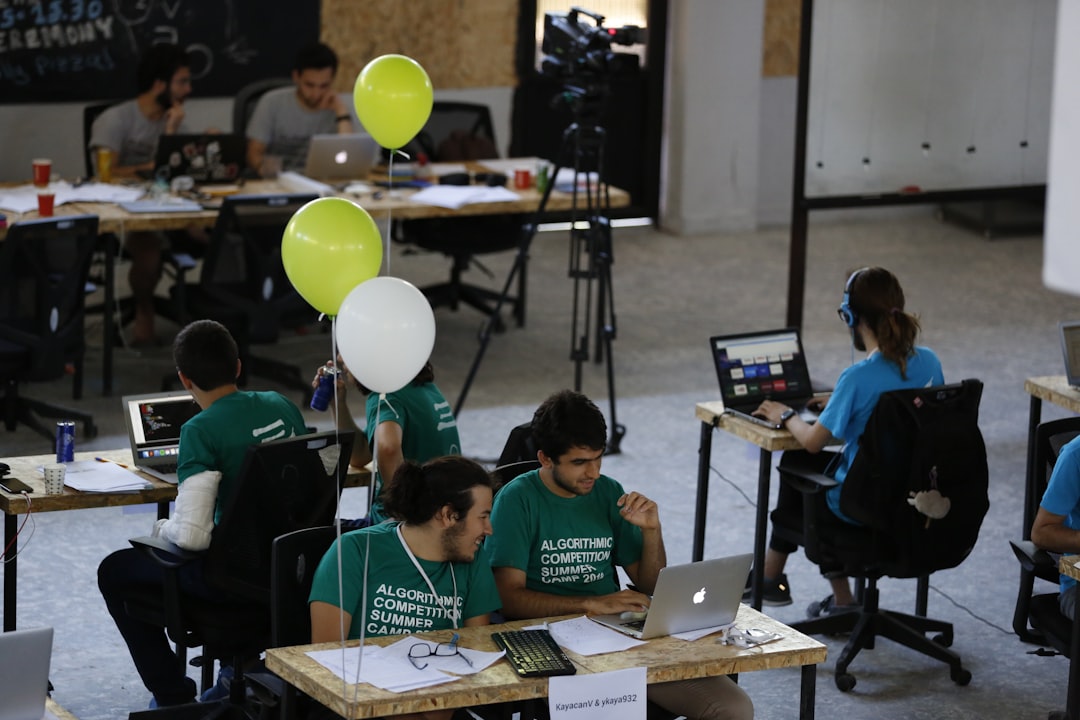
A defining strength of Marquis is its ability to blend technical engineering discipline with business strategy insight. Instead of simply delivering code, the company often works with stakeholders to refine product roadmaps, prioritize features, and ensure alignment with long-term growth objectives.
Notable Projects and Case Examples
The hallmark of any development firm is its project portfolio. Marquis Software Development demonstrates versatility across industries, with projects ranging from small-scale SaaS platforms to complex enterprise infrastructures.
1. Fintech Platform Modernization
One of the company’s standout projects involved transforming a legacy financial management platform into a cloud-based system. The client, a mid-sized financial services provider, required enhanced security compliance, automation features, and real-time reporting.
Marquis executed the following:
- Migrated infrastructure to a secure cloud environment
- Implemented encryption standards aligned with financial regulations
- Designed a modern user interface to improve client onboarding
- Integrated data analytics dashboards for decision-makers
The result was a system that increased operational efficiency while improving customer satisfaction. Performance metrics reportedly improved by over 30% following implementation.
2. Healthcare Workflow Optimization Tool
Healthcare organizations face unique challenges involving data privacy and operational complexity. Marquis developed a patient workflow and scheduling system for a regional medical provider. The project required:
- HIPAA-compliant data handling
- Integration with existing hospital management systems
- Mobile accessibility for practitioners
- Automated reporting for administrative staff
The tool significantly reduced manual paperwork and streamlined coordination between departments. This case reflects the company’s experience navigating highly regulated environments.
3. Retail E-Commerce Ecosystem
In the retail sector, Marquis built a multi-channel e-commerce solution for a consumer brand expanding into international markets. This project combined:
- Custom backend inventory systems
- Localized user interfaces
- Payment gateway integrations
- Scalable server architecture to handle peak seasonal demand
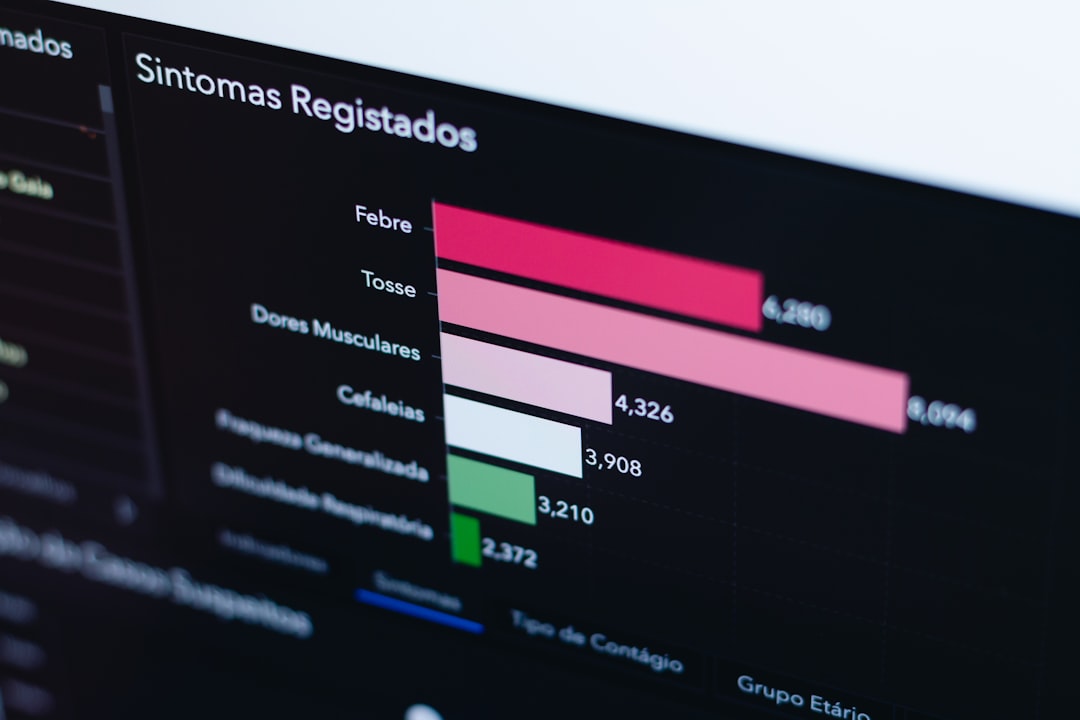
By anticipating traffic spikes and optimizing database performance, the platform maintained consistent uptime during high-volume sales events—an important differentiator for retail clients.
Industries Served
Marquis Software Development does not limit itself to one vertical. Instead, it targets industries where complex workflows and data sensitivity demand robust engineering practices. Key sectors include:
- Finance and Fintech
- Healthcare and MedTech
- Retail and E-Commerce
- Logistics and Supply Chain
- SaaS Startups
- Education Technology
This cross-industry presence suggests a flexible technical foundation rather than a template-driven model. Clients appear to value Marquis’s adaptability and tailored architectural planning.
Client Experience and Reputation
Client relationships are central to Marquis Software Development’s positioning. Based on available testimonials and case highlights, the company emphasizes:
- Clear communication during all development phases
- Milestone-based progress reporting
- Collaborative sprint reviews
- Post-launch support and iterative improvement
Many clients describe the team as consultative rather than transactional. Rather than simply executing predefined specifications, Marquis often challenges assumptions and proposes architectural alternatives that improve scalability or reduce long-term costs.
Reliability and transparency also appear to be recurring themes. Structured documentation, realistic timelines, and proactive risk assessments are part of their standard workflow. For businesses wary of common software development pitfalls, such procedures are particularly reassuring.
Technology Stack and Technical Capabilities
The company’s technical foundation spans modern programming languages, frameworks, and cloud platforms. Although specific toolsets may vary by project, Marquis commonly utilizes:
- JavaScript frameworks such as React and Angular
- Backend technologies like Node.js, Python, and .NET
- Cloud platforms including AWS, Microsoft Azure, and Google Cloud
- Containerization tools like Docker
- DevOps pipelines for continuous integration and deployment

This technology diversity enables them to select solutions based on project needs rather than forcing clients into rigid ecosystems. In enterprise settings, this flexibility can make a substantial difference in maintainability and interoperability.
Project Management Approach
Marquis employs agile methodologies with carefully structured sprint cycles. However, they also adapt to client requirements, particularly when working with organizations that rely on more traditional waterfall models.
Their project lifecycle generally includes:
- Discovery and Requirements Analysis
- Technical Architecture Planning
- UI/UX Design Prototyping
- Iterative Development Sprints
- Quality Assurance and Testing
- Deployment and Monitoring
- Ongoing Optimization
Testing is reportedly integrated throughout the cycle, reducing post-release issues. This continuous testing commitment is especially important for sectors such as finance and healthcare where bugs can have serious consequences.
Pricing Structure and Cost Considerations
Marquis Software Development does not publicly list standardized pricing packages. Instead, the company uses a custom pricing model tailored to each project’s complexity, scale, and technology requirements.
Typical pricing factors include:
- Project scope and number of features
- Level of UI/UX customization
- Regulatory or compliance requirements
- Integration complexity
- Ongoing support agreements
Generally, custom enterprise software development falls within mid-to-premium market rates. For example:
- Small custom applications: Moderate five-figure range
- Mid-sized SaaS platforms: High five-figure to low six-figure range
- Large enterprise systems: Six figures and above
While this places Marquis above budget freelancers or offshore commodity developers, the company positions its pricing as an investment in reliability, long-term scalability, and reduced technical debt.
They may offer multiple engagement models, including:
- Fixed-price contracts for clearly defined scopes
- Time and materials billing for evolving projects
- Dedicated team arrangements for long-term needs
Strengths and Competitive Advantages
Several qualities distinguish Marquis Software Development in a crowded marketplace:
- Strategic Business Alignment: Focus on measurable business outcomes
- Technical Breadth: Experience across multiple stacks and cloud platforms
- Regulatory Awareness: Proven work in compliance-driven industries
- Scalability Expertise: Systems designed for growth
- Client-Centric Communication: Transparent processes and updates
These strengths suggest the company is well-suited for organizations planning multi-year digital growth rather than short-lived experimental builds.
Potential Limitations
No review is complete without evaluating possible drawbacks. Some prospective clients may find:
- Higher upfront investment compared to smaller agencies
- Structured processes that may feel formal for early-stage startups
- Longer discovery phases due to comprehensive planning
However, these characteristics can also be seen as advantages depending on the organization’s goals and risk tolerance.
Final Assessment
Marquis Software Development stands out as a reliable partner for companies seeking sophisticated, long-term technical solutions. Its portfolio demonstrates versatility across industries, while its client approach emphasizes partnership, transparency, and scalability.
Although pricing may place it in the mid-to-premium category, the value proposition lies in robust architecture, compliance awareness, and strategic collaboration. For organizations prioritizing performance, security, and future-proof systems, Marquis appears well-positioned to deliver meaningful results.
Ultimately, choosing a development partner depends on a company’s budget, timeline, and internal expertise. For firms seeking more than just code—for those looking for a structured, strategic technology ally—Marquis Software Development presents a compelling option.