
Launching a startup is one of the most exciting and challenging endeavors an entrepreneur can undertake. It involves long hours, an unwavering commitment to vision, and often a fair amount of risk. However, no founder has to walk that path alone. Across the globe, startup communities are flourishing, providing the resources, mentorship, and emotional support that early-stage ventures need to succeed.
Table of Contents
TLDR
Startup communities are essential ecosystems that help new businesses thrive through mentorship, funding, networking, and collaboration. They are comprised of entrepreneurs, investors, service providers, and institutions working together. By plugging into the right community, entrepreneurs drastically increase their likelihood of long-term success. Whether online or in-person, these networks offer invaluable insights and resources that can make or break a startup.
What Are Startup Communities?
A startup community is a network of entrepreneurs, investors, mentors, accelerators, co-working spaces, and other stakeholders who support innovation and business creation within a particular region or sector. These communities can exist in physical hubs like Silicon Valley or function virtually across international borders. Their primary goal is to foster collaboration, accelerate learning, and reduce the isolation that startup founders often face.
Brad Feld, a venture capitalist and co-founder of Techstars, highlighted in his book Startup Communities that these ecosystems are crucial for long-term entrepreneurial success. They act as the “soil” in which startups can grow—offering nourishment through knowledge sharing, funding avenues, and emotional encouragement.
Why Joining a Startup Community Matters
One of the biggest factors that determines startup success isn’t just the product or market, but the network of people around the founder. Becoming embedded in a supportive environment can yield several significant benefits:
- Access to Mentorship: Learn directly from founders and experts who have already navigated the challenges you’re facing.
- Funding Opportunities: Whether it’s angel investors, VCs, or grant programs, most funding finds its roots in strong startup ecosystems.
- Collaborative Atmosphere: Fellow entrepreneurs can become co-founders, advisors, beta testers, or strategic partners.
- Mental Health Support: It’s psychologically empowering to know you’re not alone in your journey.
- Events and Learning: Startup meetups, pitch nights, and conferences provide constant learning and growth opportunities.
Types of Startup Communities
Startup communities take different shapes and scales. Understanding their variety can help entrepreneurs decide where they best fit in.
1. Local In-Person Hubs
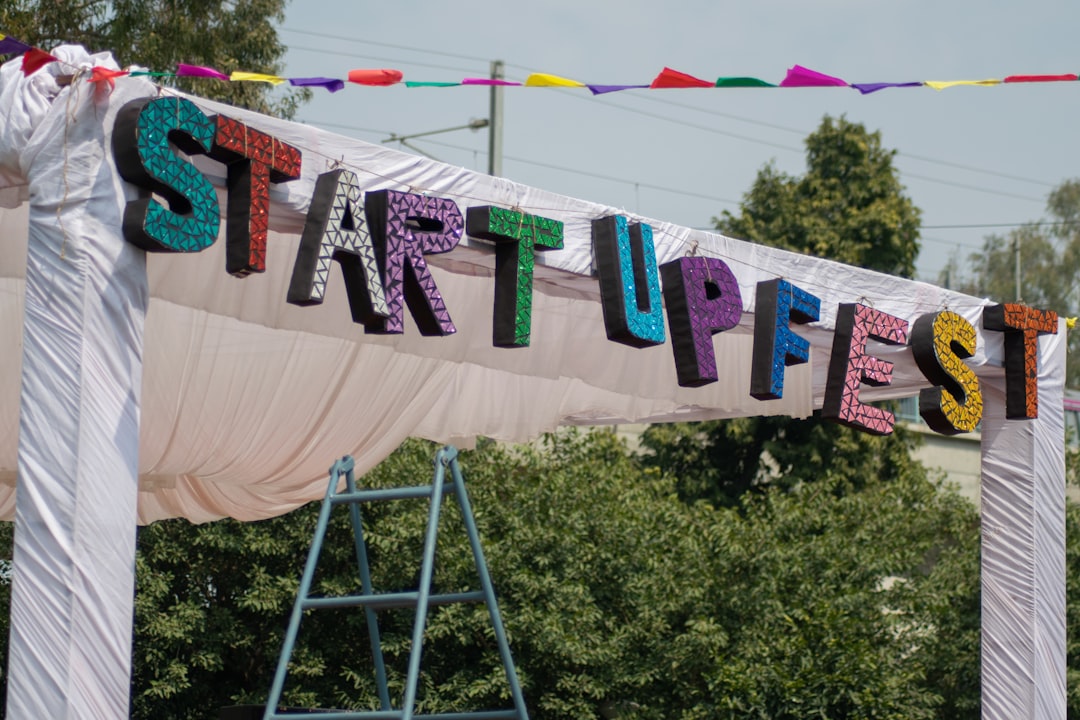
Major cities like New York, Berlin, London, and Bengaluru have become vibrant startup ecosystems. Local co-working spaces, innovation hubs, and incubators foster daily encounters and collaborations.
2. Industry-Specific Communities
These communities gather around a particular sector, such as fintech, health tech, edtech, or green energy. They provide targeted advice, partnerships, and fundraising channels relevant to that niche.
3. Online Platforms and Forums
With the rise of remote work and global collaboration, digital-first startup communities are growing. Platforms like Indie Hackers, Product Hunt, and subreddits like r/startups enable asynchronous connections across time zones.
4. Accelerator and Incubator Programs
Organizations like Y Combinator, Techstars, and 500 Startups come with a built-in community of alumni, mentors, and investors. Participating startups typically gain more than just funding—they gain a life-long network.
How to Find the Right Startup Community
Not every community will be the right fit for every entrepreneur. Finding one that aligns with a startup’s goals and values is essential. Here’s how one might evaluate and find the ideal ecosystem:
- Define Your Needs: Are you looking for funding, mentorship, technical talent, or feedback? Knowing what you’re seeking helps narrow the options.
- Do Local Research: Attend events at local innovation centers, universities, and business conferences.
- Tap into Online Networks: Participate in digital forums and LinkedIn groups dedicated to startups.
- Ask for Referrals: Reach out to professionals in your network and ask where they engage most.
- Try Before Committing: Many communities allow drop-in access to events or forums before asking for a deep commitment.
Building Relationships Within the Community
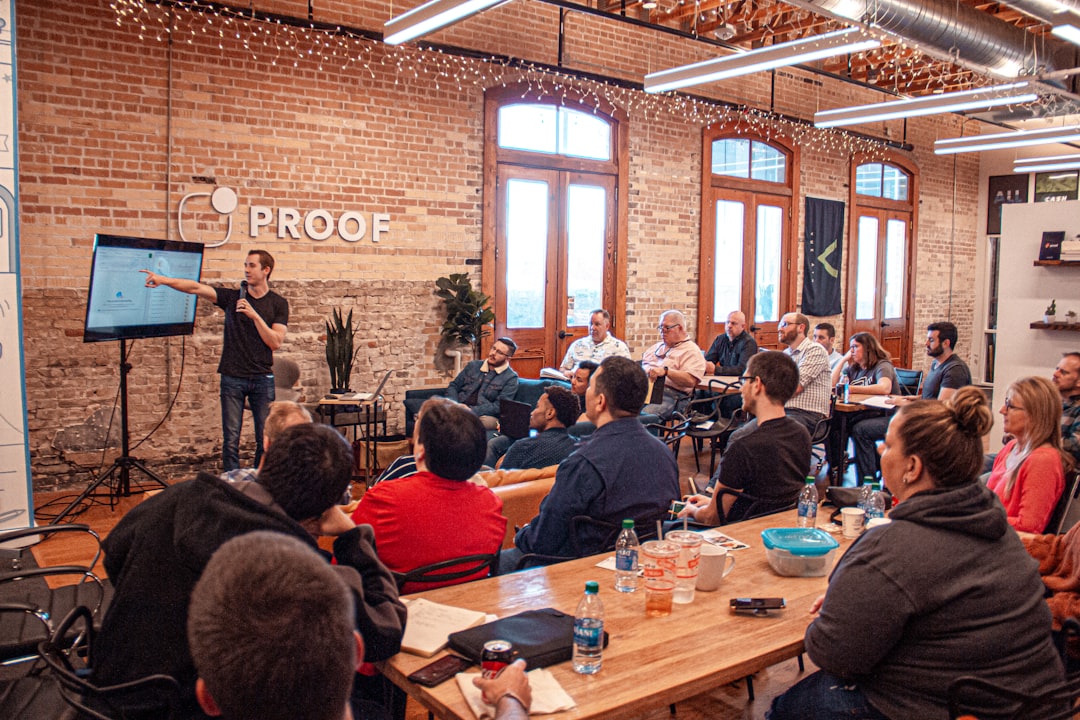
Simply joining a startup community isn’t the end goal—engagement is what drives value. Strong relationships take time and effort. Here are some ways founders can become active and respected members:
1. Offer Before You Ask
One of the fastest ways to build trust is to contribute. Help someone with an introduction, share insights, or amplify others’ work before requesting help for yourself.
2. Attend Events Consistently
Whether physical meetups or virtual hangouts, consistent participation makes an entrepreneur more visible. Familiarity builds rapport.
3. Share Your Journey Publicly
Updating the community on your startup’s progress fosters transparency and invites support—corporate partnerships, new customers, or valuable advice might just land in your inbox.
4. Find a Mentor or Peer Circle
Having people to check in with regularly can keep goals on track and ease the mental burden of leadership. Consider joining a founder accountability group or mentorship circle.
Common Pitfalls to Avoid
While startup communities provide ample benefits, there are a few mistakes founders should be cautious about:
- Over Networking: Don’t spend all your time at events while neglecting product development or customers.
- Chasing Hype: Not every opportunity is right for every business. Avoid getting caught up in trends that don’t align with your vision.
- Transactional Mindset: Focusing only on what you can get—and not what you can give—can hurt long-term relationships.
Conclusion
Startup communities aren’t just support networks—they are the lifeblood of innovation, facilitating growth, knowledge sharing, and sustainable business building. For anyone launching or scaling a venture, actively participating in a startup community can be the accelerator they never knew they needed. Whether it’s attending a local pitch night, joining a Slack group for SaaS founders, or applying to an incubator, the journey becomes significantly more manageable—and enjoyable—when walked together.
FAQs
What are the key components of a startup community?
Startup communities typically include entrepreneurs, investors, mentors, service providers, academic institutions, and supporting organizations like accelerators or coworking spaces.
Do I need to be in a major city to access a good startup community?
No. While major cities have large ecosystems, online platforms and smaller regional hubs offer rich resources and engagement opportunities for founders worldwide.
How do I know which startup community is best for me?
Evaluate your business needs (funding, mentorship, networking), your industry, and your location. Try out different communities and stick with the one where you feel most aligned and supported.
Are there any costs involved in joining startup communities?
Some communities are free (e.g., online forums), while others might charge for events, coworking space, or accelerator participation. Weigh the costs against the value provided.
How can I add value to a startup community?
Listen actively, help others, share your journey, and contribute knowledge or time without expecting immediate return. Communities thrive on reciprocity.