Artificial intelligence has rapidly moved beyond simple automation tools and into highly specialized cultural and aesthetic domains. One of the more intriguing developments is Goth AI—a niche application of artificial intelligence systems designed to generate, analyze, or enhance content inspired by gothic culture and aesthetics. While it may sound purely artistic or stylistic, Goth AI reflects broader advances in machine learning, language modeling, and generative design technologies. Understanding how it works requires looking beyond dark visuals and into the technical framework powering these systems.
TLDR: Goth AI refers to artificial intelligence systems trained or tuned to generate content inspired by gothic themes, aesthetics, and subcultures. It relies on large language models, image generators, and style-transfer algorithms to produce text, art, music, and fashion concepts with dark, romantic, or gothic elements. These systems work by analyzing vast datasets and recognizing aesthetic patterns associated with goth culture. While artistic in appearance, Goth AI operates using the same core machine learning methods as other AI applications.
Table of Contents
Defining Goth AI
Goth AI is not a separate category of artificial intelligence technology, but rather a domain-specific application of existing AI tools tailored to gothic aesthetics. This can include:
- Text generators that produce gothic poetry, stories, or character dialogue
- Image-generation systems that create dark fantasy art, gothic fashion designs, or Victorian-inspired scenes
- Music composition tools that emulate darkwave, industrial, or gothic rock styles
- Chatbots with a gothic persona or thematic personality
At its core, Goth AI functions similarly to other generative AI systems. The difference lies in the training data, style parameters, and prompts that define its outputs.
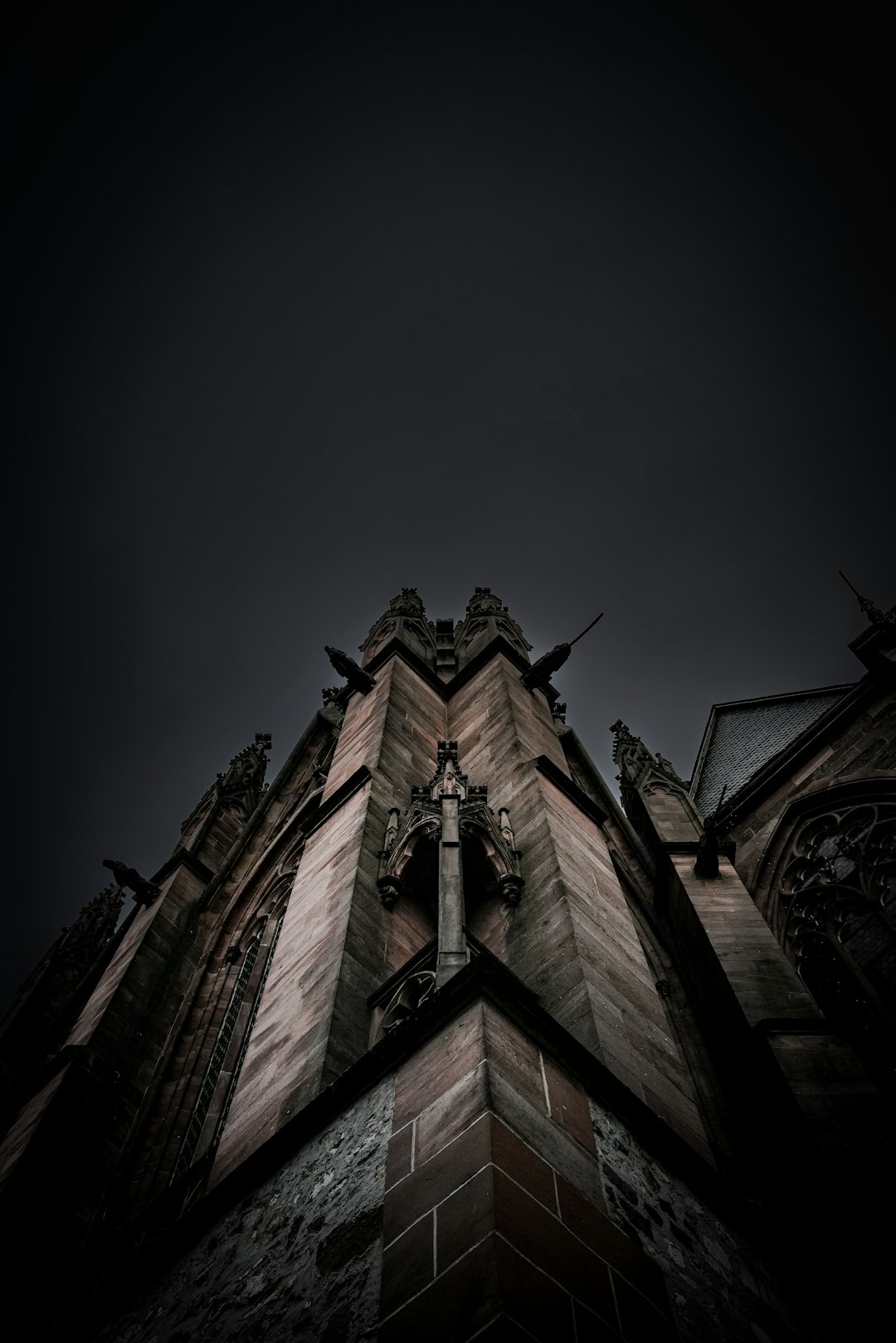
The Technical Foundations Behind Goth AI
To understand how Goth AI works, it helps to break it down into its technical components. Most implementations rely on three key AI technologies:
1. Large Language Models (LLMs)
For text-based Goth AI systems—such as story generators or persona-driven chatbots—the foundation is usually a large language model. LLMs are trained on enormous datasets containing books, articles, scripts, and web content. Through probabilistic pattern recognition, the model learns how language is structured and how themes are expressed.
When prompted with instructions such as “Write a gothic poem about loss in a Victorian cemetery,” the model predicts word sequences most likely to align with both the theme and context. If fine-tuned on gothic literature or stylistically filtered datasets, it becomes more accurate in reproducing:
- Dark romantic tone
- Archaic or poetic language
- Melancholic themes
- Imagery related to night, ruins, candles, ravens, and decay
2. Generative Adversarial Networks (GANs) and Diffusion Models
In image-based Goth AI tools, diffusion models and GANs are frequently used. These technologies allow AI to create detailed original imagery from text prompts. The system learns by studying millions of labeled images, recognizing patterns in lighting, composition, texture, and subject matter.
When directed to produce “a gothic cathedral under moonlight with mist and stained glass,” the model reconstructs an image by progressively refining random noise into a visually coherent composition aligned with the learned aesthetic markers of gothic style.
3. Style Transfer Algorithms
Another technique used in Goth AI is neural style transfer. This process separates the content of an image from its style and applies the stylistic properties of one image (for example, dark oil painting textures) to another. Users can transform modern portraits into gothic-themed visuals by adjusting parameters such as contrast, color saturation, and brushstroke simulation.
How Goth AI Is Trained
Training a Goth AI model typically involves the same high-level processes used in other AI systems:
- Data Collection: Curating relevant gothic literature, artwork, architectural imagery, music files, or cultural references.
- Preprocessing: Cleaning and labeling data to ensure consistency and appropriate categorization.
- Model Training: Feeding data into a machine learning architecture that detects underlying patterns.
- Fine-Tuning: Adjusting the model weights to emphasize gothic aesthetics, tone, and subject matter.
- Evaluation: Testing outputs for authenticity, coherence, and stylistic accuracy.
The specialization comes primarily during the fine-tuning phase. Developers may use reinforcement learning or curated prompt engineering to refine outputs so they consistently match the gothic aesthetic.

Applications of Goth AI
Although it may appear niche, Goth AI has practical applications across several industries:
Creative Writing and Publishing
Authors can use Goth AI tools to generate plot ideas, atmospheric descriptions, or dialogue for horror and gothic fiction. This accelerates drafting while preserving thematic consistency.
Fashion and Design
Fashion designers experiment with AI-generated gothic clothing concepts, exploring combinations of lace, leather, velvet, corsetry, and Victorian silhouettes.
Gaming and Virtual Worlds
Game developers use AI to generate gothic environments, including castles, graveyards, and dystopian cityscapes. Procedural generation tools powered by diffusion models enhance immersive experiences.
Music Production
AI-assisted composition tools analyze patterns in gothic rock, darkwave, or symphonic metal to produce original chord progressions and sound textures.
Social Media and Branding
Influencers and brands targeting alternative communities may deploy AI-generated visuals and captions aligned with gothic subculture aesthetics.
Comparison of Goth AI Tools
Different tools offer varying features depending on whether the focus is text, image, or audio generation. The table below compares common categories of Goth AI systems:
| Tool Type | Primary Function | Core Technology | Strengths | Limitations |
|---|---|---|---|---|
| Text Generators | Poetry, stories, dialogue | Large Language Models | Strong narrative coherence, tonal control | May require prompt refinement |
| Image Generators | Artwork, fashion, landscapes | Diffusion Models, GANs | Highly detailed visuals, lighting accuracy | Possible inconsistencies in fine details |
| Music AI | Darkwave, gothic rock composition | Neural Audio Networks | Quick melody and ambient generation | Limited emotional nuance without human editing |
| Style Transfer Apps | Photo transformation | Neural Style Transfer | Fast aesthetic shifts | Less originality compared to full generative systems |
Ethical and Cultural Considerations
While Goth AI may seem purely artistic, it raises several ethical questions:
- Data Usage: Were original artworks and texts used in training obtained ethically?
- Authenticity: Does AI-generated gothic content dilute or misrepresent subcultural identity?
- Creative Ownership: Who owns AI-generated gothic art—the user, developer, or model creator?
These concerns are not unique to Goth AI but apply to generative systems broadly. Responsible development requires transparency about datasets and careful consideration of intellectual property rights.
How Prompts Shape Goth AI Outputs
A defining element of Goth AI effectiveness lies in prompt engineering. Because generative models rely on contextual prediction, the specificity and clarity of instructions greatly influence results.
For example:
- A vague prompt: “Create a dark image.”
- A refined prompt: “Generate a nocturnal gothic cathedral interior lit by candlelight with stained glass reflections and misty atmosphere.”
The latter guides the model with more precise aesthetic cues. Professional users often develop structured prompt libraries to maintain consistency in style and tone.
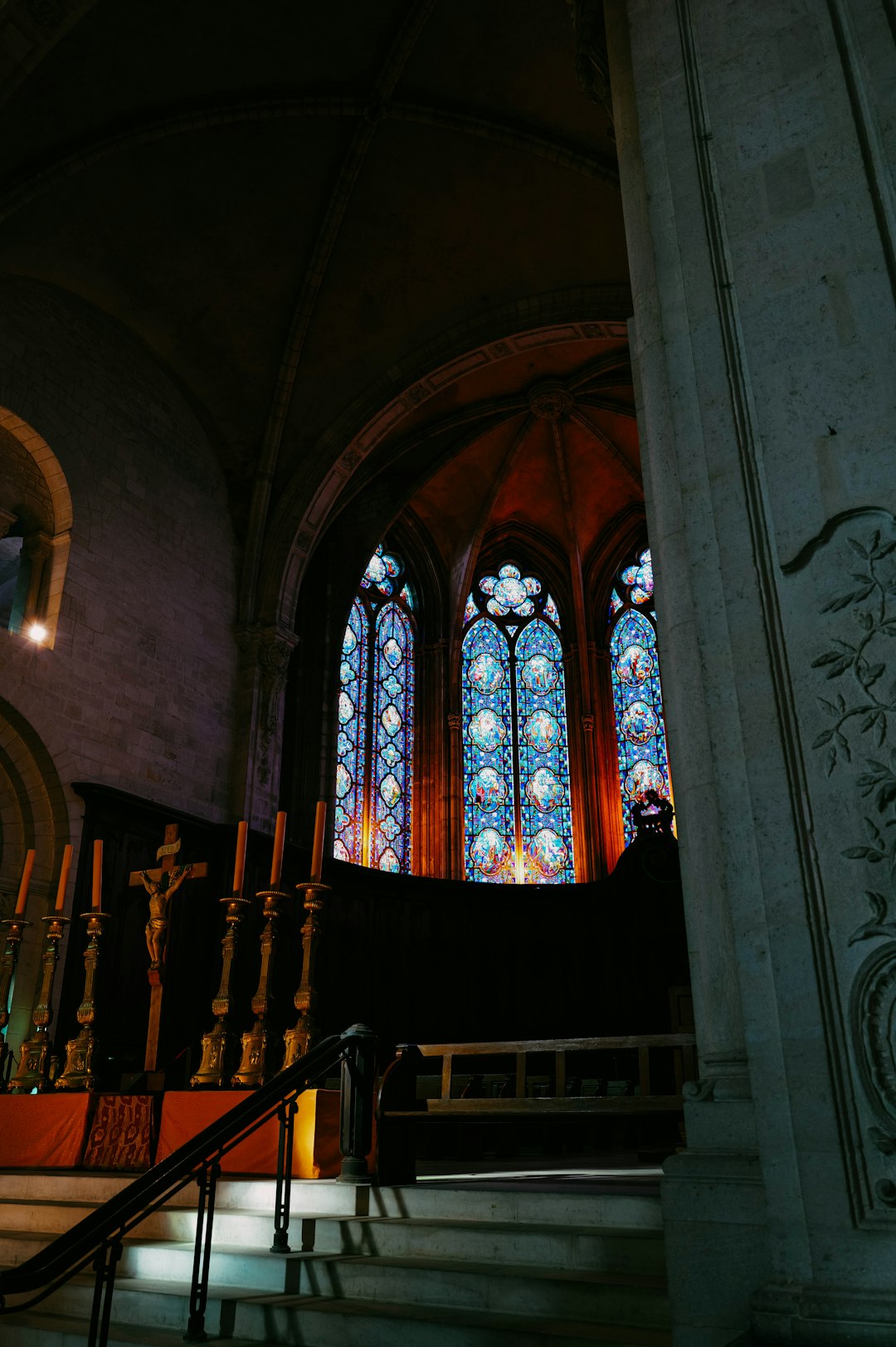
The Future of Goth AI
As AI systems become more sophisticated, Goth AI is likely to evolve in three major directions:
- Greater Personalization: Models may adapt to individual interpretations of gothic style.
- Multimodal Integration: Unified systems combining text, image, audio, and animation generation.
- Real-Time Rendering: Interactive gothic environments generated instantly for virtual and augmented reality platforms.
These advancements will further blur the line between human creativity and algorithmic generation.
Is Goth AI a Passing Trend?
While aesthetic-specific AI applications may appear fleeting, they represent a broader movement toward customizable AI systems tailored to distinct communities and artistic preferences. Goth AI is less about novelty and more about demonstrating how adaptable machine learning frameworks can be.
Rather than replacing human gothic artists, writers, or musicians, these systems function best as collaborative tools. They generate drafts, concept art, and stylistic experiments that creators refine and personalize. The technology amplifies productivity while leaving room for human interpretation and emotional depth.
Conclusion
Goth AI combines advanced machine learning architectures with stylistic specialization rooted in gothic culture. Through large language models, diffusion-based image generation, neural style transfer, and audio synthesis networks, these systems replicate and reinterpret dark romantic aesthetics with increasing sophistication. Though visually dramatic and culturally specific, Goth AI operates on the same foundational algorithms as other generative tools.
Its significance lies not merely in producing moody images or poetic melancholy, but in showcasing how flexible and targeted artificial intelligence has become. As technology progresses, such applications will likely grow more refined, interactive, and integrated—expanding both the possibilities and responsibilities associated with creative AI.