As AI agents become more autonomous and capable of invoking tools, APIs, databases, and external services, the need for robust monitoring becomes critical. Tool invocation logging platforms help teams understand exactly what agents are doing, which tools they call, when they call them, and whether those actions succeed or fail. Without structured logging, organizations risk blind spots in performance, compliance, and security.
TLDR: Tool invocation logging platforms provide visibility into how AI agents interact with external tools and APIs. They help teams monitor performance, improve reliability, troubleshoot failures, and maintain compliance. Leading platforms combine structured logs, real-time monitoring, replay functionality, and analytics dashboards. Choosing the right solution depends on scale, compliance needs, and integration complexity.
As enterprises increasingly deploy AI agents in production environments—handling customer support, managing workflows, and connecting to business systems—clear tracking and observability become foundational requirements. Tool invocation logging platforms bridge the gap between model output and real-world action, offering transparent records of every external operation an agent performs.
Table of Contents
Why Tool Invocation Logging Matters
AI agents differ from traditional software because they operate semi-autonomously. Instead of executing deterministic instructions, they interpret prompts and dynamically decide which tools to use. While this flexibility unlocks powerful automation, it also introduces unpredictability.
Without logging platforms, organizations face several risks:
- Limited visibility into failed tool calls or incorrect parameter usage
- Compliance gaps in regulated industries requiring detailed audit trails
- Security vulnerabilities from untracked external requests
- Inefficient debugging due to missing contextual logs
Effective logging platforms provide structured event capture, timeline reconstruction, and cross-system traceability. They allow teams to replay logic, inspect decision trees, and measure execution success rates.
Key Features to Look for in a Logging Platform
Before exploring specific platforms, it is helpful to identify core capabilities that distinguish effective solutions from basic log storage tools.
- Structured Invocation Tracking: Captures tool name, input parameters, timestamps, execution duration, and output results.
- Trace Linking: Connects tool invocations with original prompts and decision steps.
- Real-Time Monitoring: Provides instant alerts for failures or anomalies.
- Replay Functionality: Allows teams to simulate and re-run past tool interactions.
- Security Controls: Offers redaction, role-based access, and encryption.
- Analytics and Visualization: Tracks trends, call frequency, latency, and failure rates.
Platforms that combine these features empower organizations not only to monitor agents but also to optimize them.
1. LangSmith
LangSmith, developed alongside the LangChain ecosystem, has emerged as one of the most comprehensive platforms for tracing agent behavior. It is particularly useful for teams deploying complex, multi-step agents involving tool chains and memory systems.
Core Strengths:
- Detailed execution tracing across chains and tools
- Visualization of decision trees and step-by-step flows
- Dataset-driven evaluation and performance testing
- Comparative run analysis
LangSmith enables developers to view each tool call within a broader execution graph. Teams can inspect prompts, inspect inputs passed to tools, and analyze outputs received. This structured trace view makes debugging multi-step agents significantly easier.
Its evaluation capabilities also allow teams to measure tool invocation quality across different configurations. For organizations iterating frequently on agent prompts and logic, this comparison functionality is highly valuable.
LangSmith is particularly well-suited for development and experimentation environments but is increasingly adopted in production contexts as well.
2. Datadog with Custom AI Observability Pipelines
Datadog has long been known for infrastructure and application performance monitoring. When configured with structured logging for AI workflows, it becomes a powerful tool invocation tracking solution.
Core Strengths:
- Real-time log ingestion and analysis
- Custom dashboards and alerting systems
- Integration with cloud platforms and APIs
- Scalability for enterprise environments
Organizations can instrument their agent frameworks to send invocation logs directly into Datadog. This includes tool names, parameters, status codes, and response times. By combining AI logs with infrastructure metrics, teams gain unified visibility across systems.
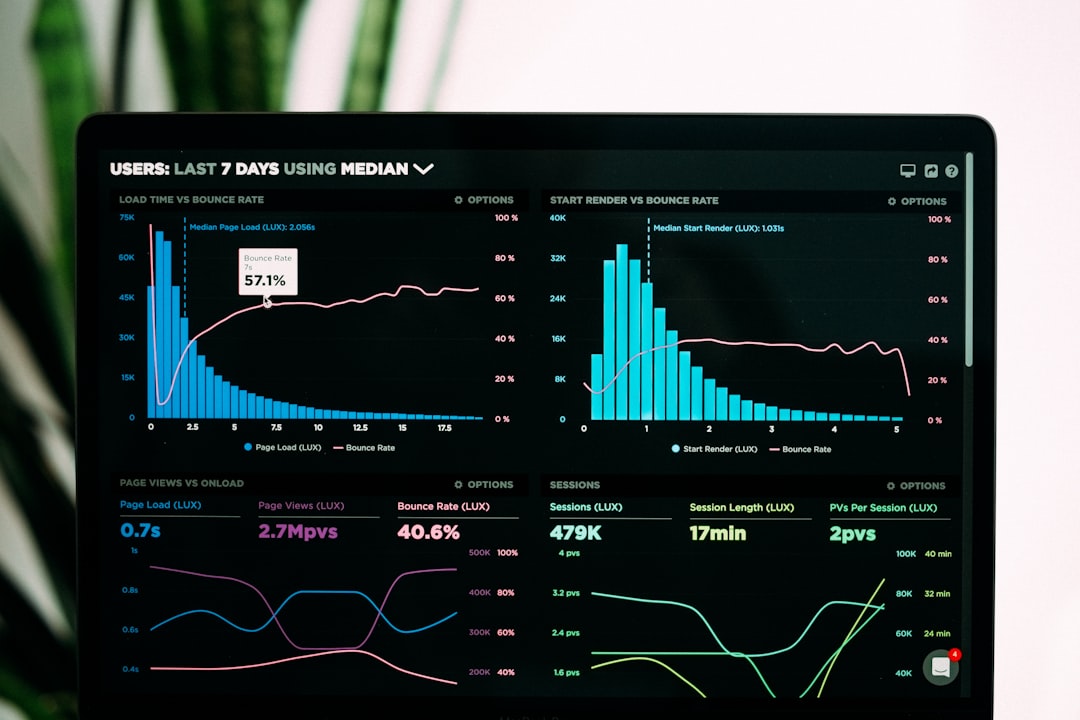
One major advantage is proactive alerting. For example, if a specific API tool begins returning errors above a defined threshold, Datadog can immediately notify teams. This reduces downtime and mitigates cascading workflow failures.
Although setup may require more configuration compared to purpose-built AI observability platforms, Datadog provides unmatched scalability for organizations already invested in its ecosystem.
3. Honeycomb
Honeycomb is an observability platform built around high-cardinality event analysis, making it particularly suitable for complex, distributed AI systems.
Core Strengths:
- Event-level query capabilities
- High-cardinality metadata analysis
- Distributed tracing for multi-service environments
- Fast root cause analysis
AI agents often operate across multiple services—retrieval systems, embedding models, third-party APIs, and internal databases. Honeycomb’s distributed trace capabilities allow teams to see how a single user query results in numerous downstream tool invocations.
Its strength lies in exploratory debugging. Teams can filter by tool type, latency threshold, specific user sessions, or error categories. This allows rapid identification of patterns, such as whether a particular parameter configuration triggers repeated failures.
For dynamic agent systems with large volumes of invocation events, Honeycomb delivers granular insights that traditional logging tools struggle to provide.
4. OpenTelemetry with Observability Stacks
OpenTelemetry is not a standalone logging platform but an open-source observability framework that standardizes telemetry generation. When paired with visualization backends such as Grafana, Elastic, or cloud-native monitoring solutions, it becomes a powerful way to track tool invocation behavior.
Core Strengths:
- Vendor-neutral instrumentation
- Customizable trace and metric collection
- Compatibility with multiple backend platforms
- Strong community support
Teams instrument their AI agents to emit structured traces for each tool invocation. These traces capture timing data, context propagation, and invocation metadata. Once collected, this telemetry can be analyzed using dashboards and alerting systems.
The advantage of OpenTelemetry lies in flexibility. Organizations can avoid vendor lock-in and build an observability stack tailored to compliance, security, or operational needs. However, it requires stronger engineering resources for setup and maintenance.
How to Choose the Right Platform
Selecting a tool invocation logging platform depends largely on organizational maturity, scale, and risk profile.
For startups and early-stage teams:
- Prioritize ease of setup
- Choose platforms with built-in AI trace visualization
- Focus on development-stage debugging tools
For mid-sized organizations:
- Look for integration with cloud services
- Implement real-time alerting
- Ensure audit logs meet compliance standards
For enterprises:
- Adopt scalable observability stacks
- Combine AI logging with infrastructure monitoring
- Implement role-based access and redaction policies
Ultimately, the ideal solution balances usability, analytical depth, and long-term scalability.
The Future of Agent Observability
As AI agents grow more autonomous, the complexity of tool interactions will continue to increase. Future logging platforms are expected to integrate:
- Anomaly detection powered by machine learning
- Automated root cause analysis
- Policy enforcement for tool usage governance
- Explainability overlays for compliance reporting
Instead of merely logging events, next-generation systems will interpret invocation data, flag unusual behavior, and recommend configuration improvements. Tool invocation logging is evolving from passive record-keeping into proactive intelligence.
FAQ
1. What is tool invocation logging?
Tool invocation logging is the process of recording every external tool, API, or system an AI agent interacts with. It captures details such as input parameters, timestamps, execution results, and errors.
2. Why is tool invocation logging important for AI agents?
Because AI agents make dynamic decisions, logging ensures transparency, security, debugging capability, and regulatory compliance. It provides accountability for automated actions.
3. Are traditional logging tools sufficient?
Basic logging tools may capture raw events but often lack structured tracing and context linking. AI-specific or observability-driven platforms provide deeper insight into agent workflows.
4. Can logging platforms improve AI performance?
Yes. By analyzing call latency, failure patterns, and parameter accuracy, teams can fine-tune agent prompts and tool configurations.
5. Is OpenTelemetry better than dedicated AI logging platforms?
OpenTelemetry offers flexibility and vendor neutrality but requires more engineering effort. Dedicated AI platforms often provide easier setup and purpose-built visualizations.
6. How do logging platforms support compliance?
They maintain audit trails showing exactly which tools were invoked, when, and with what data. This helps organizations demonstrate regulatory adherence and governance controls.
As AI agents become core components of digital infrastructure, tool invocation logging platforms will no longer be optional. They represent essential systems for ensuring visibility, reliability, and trust in autonomous operations.