Pest control companies operate in a fast-paced, service-driven industry where scheduling, customer communication, field operations, and compliance reporting must work seamlessly together. As businesses grow, spreadsheets and paper-based processes quickly become inefficient and prone to costly errors. That is why many modern pest control providers are turning to specialized service software solutions with built-in CRM (Customer Relationship Management) systems and advanced reporting dashboards.
TLDR: Pest control service software with CRM and reporting dashboards helps companies streamline scheduling, manage customer relationships, automate billing, and gain actionable business insights. The best platforms combine field service management with real-time data reporting and mobile access for technicians. This article reviews five leading solutions and includes a comparison chart to help businesses choose the right fit. A FAQ section at the end answers common questions about implementation and features.
Below are five of the top pest control service software solutions that integrate CRM functionality with powerful reporting dashboards.
Table of Contents
1. ServiceTitan
ServiceTitan is a comprehensive field service management platform widely used in trade industries, including pest control. Known for its robust CRM and advanced reporting features, it is well-suited for medium to large businesses aiming for rapid growth.
Key Features:
- Built-in CRM: Stores detailed customer histories, service agreements, communication logs, and billing records.
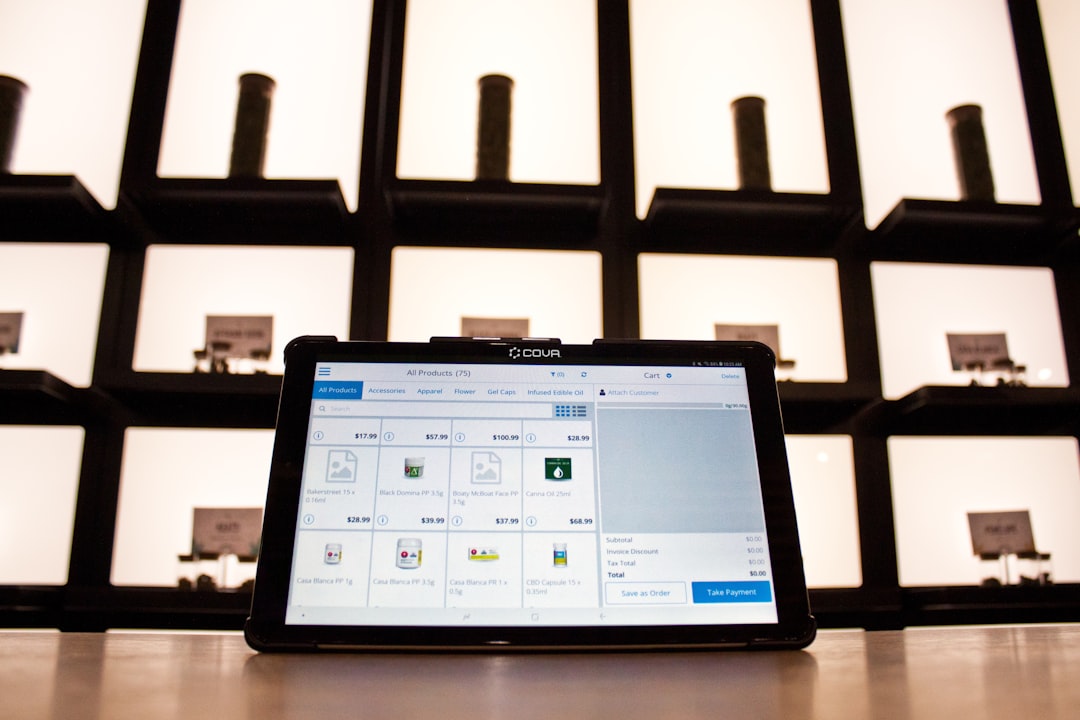
- Advanced Reporting Dashboard: Real-time metrics on revenue, technician performance, call tracking, and marketing ROI.
- Mobile App: Enables technicians to access job details, capture signatures, and process payments in the field.
- Automation Tools: Automated follow-ups, reminders, and recurring service scheduling.
Best for: Growing pest control companies that need enterprise-level reporting and scalability.
2. Jobber
Jobber is a user-friendly service management software popular among small to mid-sized pest control businesses. Its clean interface and practical CRM tools make it easy for teams to manage operations without steep learning curves.
Key Features:
- Customer Management: Centralized view of client information, job history, and invoices.
- Customizable Reporting: Dashboard summaries for revenue, outstanding invoices, and job profitability.
- Client Portal: Allows customers to book services, pay invoices, and request quotes online.
- Scheduling & Dispatching: Drag-and-drop calendar functionality.
Best for: Small pest control companies looking for simplicity and affordability without sacrificing reporting capabilities.
3. PestPac by WorkWave
PestPac is a specialized pest control software built specifically for the industry. It combines advanced CRM tools with compliance tracking and highly detailed reporting dashboards tailored to pest management professionals.

Key Features:
- Industry-Specific CRM: Tracks treatment history, chemical usage, and regulatory documentation.
- Comprehensive Reporting: Customizable dashboards covering production metrics, route efficiency, and recurring revenue.
- Route Optimization: GPS-enabled routing to improve technician productivity.
- Marketing Tracking: Attribution tools to monitor lead sources and campaign performance.
Best for: Established pest control operations requiring deep industry-specific functionality and compliance tools.
4. GorillaDesk
GorillaDesk has carved out a strong niche in the pest control market. Designed for ease of use, it offers CRM features and visually intuitive reporting dashboards at a competitive price point.
Key Features:
- CRM with Service Agreements: Manage recurring treatments and track customer communication.
- Performance Dashboard: Visual reports on revenue trends, monthly growth, and customer retention.
- Invoicing & Payments: Online payment processing and automated billing.
- QuickBooks Integration: Syncs financial data seamlessly.
Best for: Small to mid-sized pest control companies focused on recurring revenue growth.
5. FieldRoutes
FieldRoutes, developed by ServiceTitan, is specifically designed for pest control businesses and combines CRM functionality with in-depth reporting analytics.
Key Features:
- Customer Lifecycle Management: Tracks leads from initial inquiry through ongoing service plans.
- Business Intelligence Dashboard: Custom KPIs, trend analysis, and forecasting tools.
- Automation Workflows: Appointment reminders, review requests, and re-treatment triggers.
- Mobile Accessibility: Technicians access routes, service histories, and digital forms.
Best for: Data-driven pest control businesses seeking growth through automation and analytics.
Comparison Chart
| Software | Best For | CRM Features | Reporting Dashboard | Mobile App | Industry Specific |
|---|---|---|---|---|---|
| ServiceTitan | Large/Growing Businesses | Advanced customer tracking & automation | Real-time advanced analytics | Yes | No (multi-industry) |
| Jobber | Small Businesses | Basic CRM with client portal | Customizable revenue reports | Yes | No |
| PestPac | Established Pest Control Firms | Industry-specific CRM | Highly customizable dashboards | Yes | Yes |
| GorillaDesk | Recurring Service Providers | Service agreement management | Visual revenue & growth tracking | Yes | Yes |
| FieldRoutes | Data-Driven Companies | Full customer lifecycle tracking | KPI and forecasting dashboards | Yes | Yes |
Benefits of Using Pest Control Software with CRM and Reporting
Adopting specialized pest control software provides several strategic advantages:
- Improved Customer Retention: CRMs ensure consistent communication and timely follow-ups.
- Operational Efficiency: Automated scheduling and route optimization reduce fuel costs and wasted time.
- Better Decision-Making: Real-time dashboards provide insights into profitability and technician productivity.
- Regulatory Compliance: Industry-specific platforms store chemical usage and inspection records securely.
- Scalable Growth: Data tracking enables smarter expansion planning.
By combining CRM systems with reporting dashboards, pest control businesses gain both operational control and strategic visibility. Managers can measure performance indicators such as average ticket value, customer churn rate, and technician efficiency—all from a single platform.
How to Choose the Right Solution
When evaluating software options, decision-makers should consider:
- Business Size: Smaller teams may prefer simpler interfaces, while larger organizations need scalable analytics.
- Industry Specialization: Pest-specific tools often include compliance and chemical tracking features.
- Budget: Pricing varies widely depending on features and user count.
- Integration Needs: Accounting software, payment processors, and marketing platforms should integrate smoothly.
- Reporting Depth: Companies focused on growth should prioritize advanced KPI dashboards.
Ultimately, the right platform balances usability, functionality, and cost while supporting long-term growth objectives.
Frequently Asked Questions (FAQ)
1. Why is a CRM important for pest control businesses?
A CRM centralizes customer data, tracks service history, manages communication, and automates follow-ups. This improves customer retention and ensures technicians have accurate information before every visit.
2. What kind of reports should pest control software provide?
Essential reports include revenue summaries, technician productivity, recurring service metrics, route efficiency, customer retention rates, and marketing ROI analytics.
3. Is industry-specific software better than general field service software?
Industry-specific platforms often include compliance tracking, chemical usage logs, and pest-focused reporting tools. However, broader field service software may offer more advanced customization and scalability.
4. Can these platforms integrate with accounting software?
Most leading solutions integrate with accounting tools like QuickBooks and payment processors to streamline invoicing and financial reporting.
5. How difficult is implementation?
Implementation varies by platform but typically involves data migration, staff training, and configuration of schedules and workflows. Many providers offer onboarding support and tutorials.
6. Do technicians need training to use the mobile apps?
Most mobile apps are designed for simplicity, but short training sessions help ensure technicians can efficiently access routes, update job notes, and process payments in the field.
Choosing the right pest control service software with CRM and reporting dashboards is more than a technology decision—it is a strategic investment in operational efficiency and sustainable growth. By understanding the strengths of each solution, pest control companies can adopt a system that enhances customer relationships, empowers technicians, and delivers the data insights necessary for long-term success.