Running a car rental business can feel like juggling keys, contracts, and customer calls all at once. You need to know where every vehicle is. You must track bookings in real time. You have to manage payments, maintenance, and customer data without dropping the ball. That is where smart car rental management tools come in. They help you stay organized, save time, and grow faster.
TLDR: The right car rental management tools help you control your fleet, manage bookings, and reduce costly mistakes. From fleet tracking software to automated booking systems, these tools keep everything in one place. They improve customer experience and boost profits. If you want smoother operations and fewer headaches, these six tools are worth a look.
Let’s break down six powerful types of car rental management tools that can transform your business.
Table of Contents
1. Fleet Management Software
Your fleet is your biggest investment. Without proper tracking, you lose money. Fast.
Fleet management software gives you a clear picture of:
- Vehicle location
- Fuel usage
- Mileage
- Maintenance schedules
- Vehicle availability
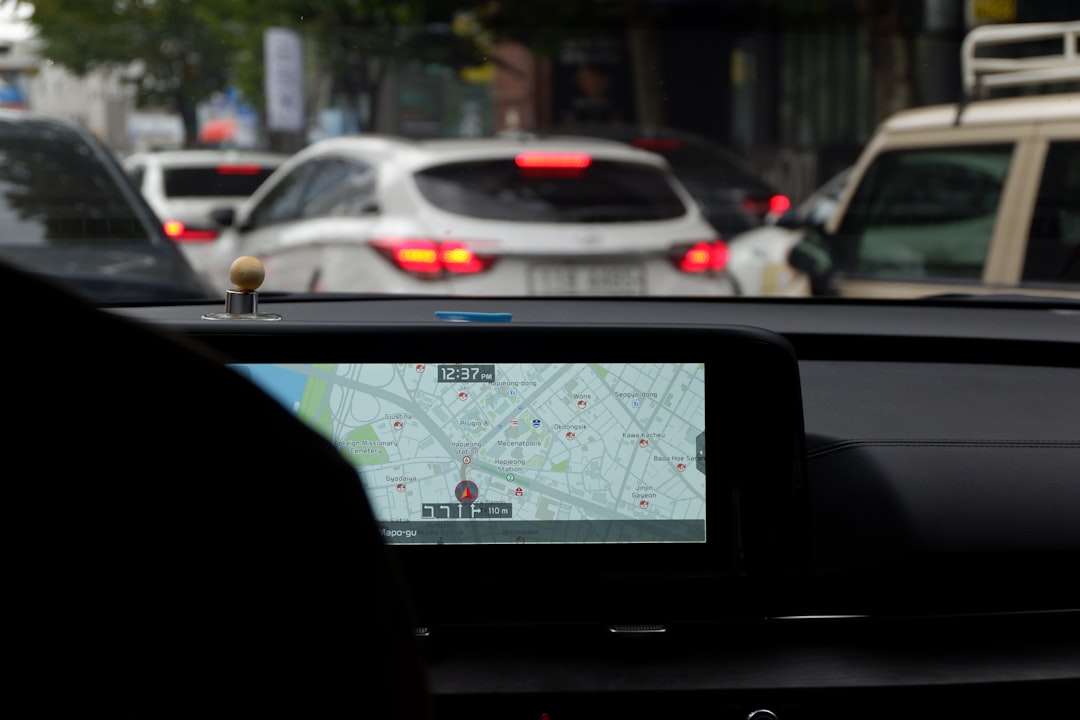
Instead of guessing where a car is, you simply log in and check. Many tools use GPS tracking. This means you can see where vehicles are in real time.
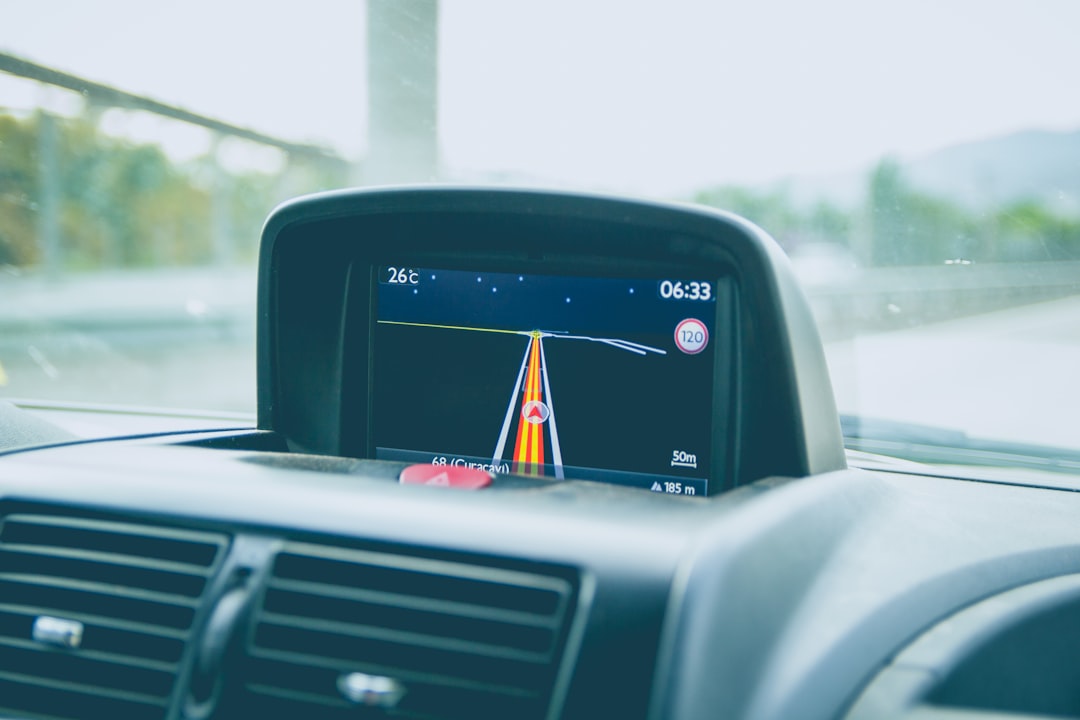
This software also sends alerts. For example:
- When a car needs an oil change
- When insurance is about to expire
- When a vehicle leaves a defined area
Why it matters: Preventive maintenance reduces breakdowns. Fewer breakdowns mean happier customers. And happy customers come back.
With fleet management software, you stop reacting to problems and start preventing them.
2. Online Booking and Reservation Systems
Customers want speed. They do not want to call during business hours just to reserve a car. They want to book now.
An online booking system allows customers to:
- Choose pickup and drop off dates
- Select vehicle type
- Add extras like GPS or child seats
- Pay instantly
This reduces manual work for your staff. No need to enter every reservation by hand.
Good reservation tools also:
- Update availability automatically
- Prevent double bookings
- Send confirmation emails
- Sync with your calendar
Less paperwork. Fewer mistakes.
Another big win? Many systems integrate with third-party platforms. That means your availability stays consistent across websites.
More visibility equals more bookings.
3. Rental Agreement and Contract Management Tools
Paper contracts are slow. They get lost. They take up space.
Digital contract management tools store everything securely online.
With these tools, you can:
- Create digital rental agreements
- Collect electronic signatures
- Store customer documents
- Access contracts instantly
This makes check-in much faster. Customers sign on a tablet or phone. Done in minutes.

It also helps with disputes. If a customer questions a charge, you can quickly pull up the signed agreement.
Bonus: Many tools let you customize contract templates. This ensures every rental follows your legal requirements.
Fast processing creates shorter lines. Shorter lines create better reviews.
4. Payment and Invoicing Systems
Money management is crucial. Small errors add up quickly.
A solid payment tool helps you:
- Process credit and debit cards
- Accept online payments
- Manage deposits
- Issue refunds
- Automate invoices
No more chasing paper receipts.
Many systems connect directly with your booking software. When someone makes a reservation, payment details are automatically recorded.
This gives you:
- Better cash flow tracking
- Fewer billing disputes
- Clear financial reports
Some tools even calculate late fees automatically. If a car is returned after the agreed time, the system updates the bill.
Simple. Accurate. Professional.
5. Maintenance and Inspection Management Tools
A clean and well-maintained car keeps customers safe and happy.
Maintenance management tools help schedule regular inspections. They track service history for each vehicle.
You can log:
- Tire changes
- Battery replacements
- Brake inspections
- Accident repairs
This creates a full vehicle history in one place.
Many tools also offer digital inspection checklists. Staff can walk around the car with a phone or tablet and mark:
- Scratches
- Dents
- Fuel level
- Mileage
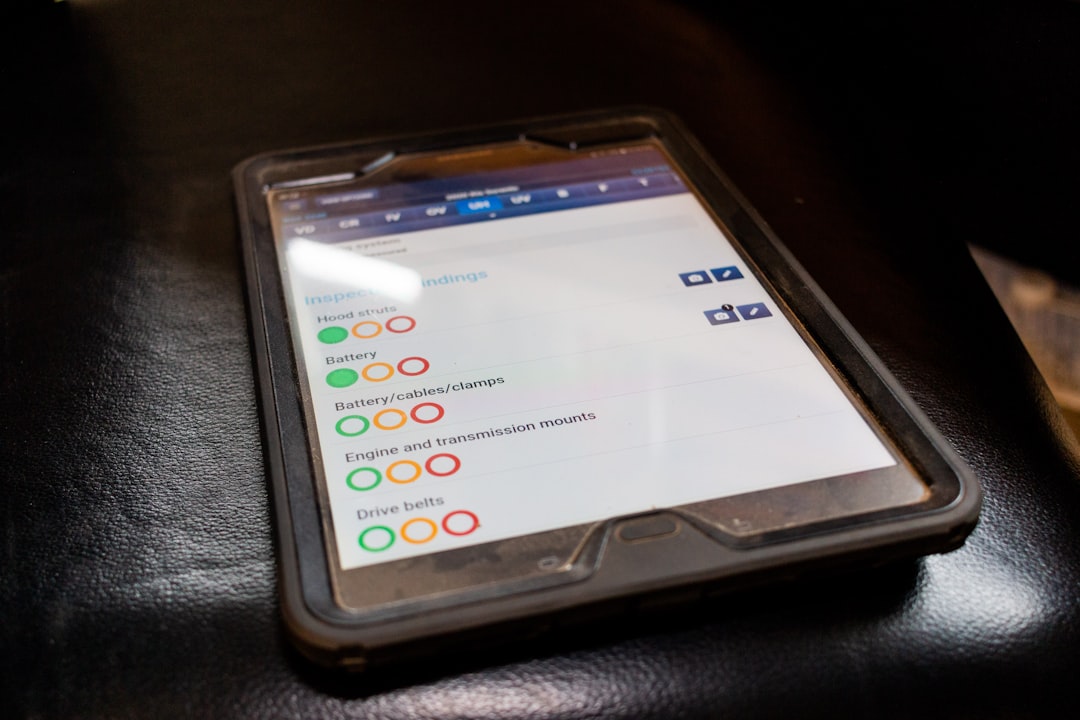
Photos can be uploaded instantly. This protects you from false damage claims.
Why this matters: Poor maintenance leads to breakdowns. Breakdowns lead to refunds. Refunds hurt profits.
Stay ahead by fixing minor issues before they become expensive problems.
6. Customer Relationship Management (CRM) Systems
Repeat customers are gold. A CRM system helps you keep them coming back.
This tool stores:
- Customer contact information
- Rental history
- Preferences
- Feedback
Imagine knowing that a customer always prefers SUVs. Next time, you can suggest the perfect option right away.
CRM systems also help with:
- Email marketing campaigns
- Promotional discounts
- Loyalty programs
- Follow-up messages
For example, you can automatically send:
- A thank-you email after rental return
- A maintenance downtime apology voucher
- A birthday discount code
Personal touches build loyalty.
And loyalty builds stable, predictable revenue.
How These Tools Work Together
Each tool is powerful alone. But together, they are even better.
Here is how they connect:
- The booking system confirms availability.
- The fleet software updates vehicle status.
- The contract tool generates the agreement.
- The payment system processes the deposit.
- The maintenance tool schedules inspections.
- The CRM logs the customer interaction.
Everything flows smoothly when systems integrate.
This reduces manual data entry. It reduces human error. And it saves time.
Owners can track performance through dashboards. Managers can monitor utilization rates. Staff can focus on customer service instead of paperwork.
What to Look for in a Car Rental Management Tool
Not all tools are equal. Before choosing one, consider:
- Ease of use: Simple dashboards save time.
- Cloud access: Work from anywhere.
- Mobile compatibility: Inspect cars on the go.
- Integration options: Connect with accounting and marketing tools.
- Scalability: Grow without switching systems.
- Data security: Protect customer information.
Ask for demos. Try free trials. Let your staff test it.
A complicated system creates stress. A simple one creates growth.
The Real Benefits for Your Business
Let’s make it clear. These tools are not just “nice to have.”
They help you:
- Increase bookings
- Reduce vehicle downtime
- Lower operational costs
- Prevent fraud
- Improve customer reviews
- Scale faster
When your operations are smooth, customers notice. Cars are ready on time. Contracts are clear. Payments are seamless.
That creates trust.
And trust builds a strong brand.
Final Thoughts
Managing a car rental company does not have to be chaotic. With the right management tools, you gain control over your fleet and bookings. You reduce costly mistakes. You deliver better service.
Start small if needed. Pick one tool that solves your biggest pain point. Then expand.
Technology is not replacing the human touch. It supports it.
When software handles the heavy lifting, you can focus on what truly matters. Building relationships. Growing your business. And keeping those keys moving.
Smart tools. Smooth operations. Happy customers.
That is the winning formula for modern car rental success.