LinkedIn is not just a place to post a new job title and disappear for three years. It is a busy business playground. People go there to learn, connect, hire, sell, and build trust. If you use it well, LinkedIn can help your brand look sharp, sound smart, and grow faster.
TLDR: LinkedIn can help your business grow by building trust, sharing useful content, and connecting with the right people. Start with a clear profile and company page. Post often, talk to people, and show real value. Keep it simple, helpful, and human.
Table of Contents
Why LinkedIn Matters for Business
LinkedIn is full of people who are already thinking about work, money, growth, and opportunities. That makes it very different from other social platforms. People are not just watching dance videos. They are looking for ideas, experts, partners, jobs, tools, and services.
This is great news for your business. You do not need to be loud. You do not need to be famous. You just need to be clear, useful, and consistent.
LinkedIn helps you do three big things:
- Build your brand so people remember you.
- Grow your network with clients, partners, and talent.
- Find new business through trust and helpful content.
Think of LinkedIn as a digital business event that never ends. You can show up in sweatpants. Nobody has to know.
Start With a Strong Personal Profile
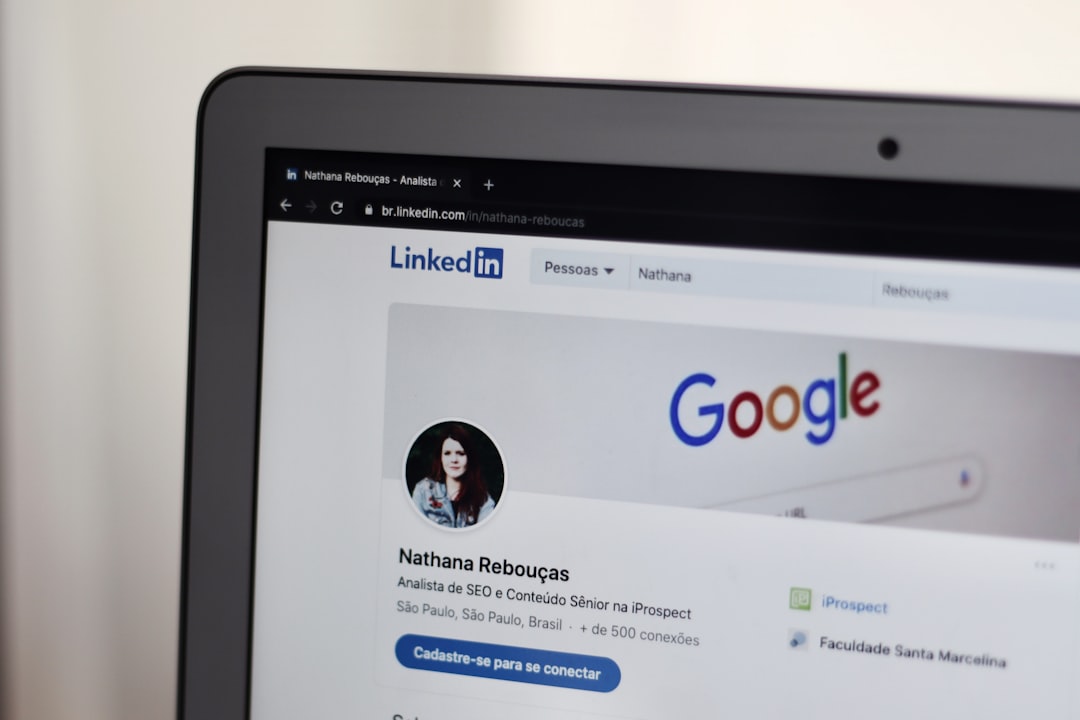
Your personal profile is often the first thing people see. Before they visit your website, they may visit your LinkedIn page. So make it count.
Your profile should answer three simple questions:
- Who are you?
- Who do you help?
- Why should people trust you?
Start with your profile photo. Use a clear, friendly picture. You do not need a fancy studio shot. Just look professional and approachable. Smile like you are about to help someone, not like you just read a tax form.
Next, fix your headline. Do not only write your job title. A title like Founder or Marketing Manager is okay, but it can be better. Say what you do and who you help.
For example:
- Instead of: Sales Consultant
- Try: Helping small businesses turn cold leads into loyal customers
Your “About” section should be simple. Tell a short story. Share your mission. Explain your skills. Add proof, like results, years of experience, or types of clients you serve.
End with a clear next step. Tell people what to do. They can message you, book a call, visit your site, or follow your content.
Build a Company Page That Works
Your company page is your brand home on LinkedIn. It should not look empty. An empty company page feels like a closed shop with the lights off.
Add a strong logo. Use a clean banner image. Write a short description that says what your business does. Avoid buzzwords that sound like a robot wrote them. Be clear.
For example:
“We help local restaurants get more bookings with simple digital marketing.”
That is better than:
“We provide innovative, scalable, future ready solutions for dynamic growth ecosystems.”
Yikes. Nobody wants to decode that before breakfast.
Your company page should include:
- Your logo and brand colors
- A clear banner image
- A short business description
- Your website link
- Your industry and location
- Regular posts and updates
Also invite your team to follow the page. Ask them to engage with posts. This gives your content a better start. A little early activity can help your posts reach more people.
Know Your Audience
Before you post anything, know who you want to reach. This saves time. It also stops you from posting random thoughts into the void.
Ask yourself:
- Who is my ideal client?
- What problems do they have?
- What questions do they ask?
- What would make their work easier?
- What would make them trust my brand?
If you sell to business owners, speak to business owners. If you help HR teams, speak to HR teams. If you serve startup founders, speak to startup founders.
Do not try to impress everyone. That usually impresses no one. Be specific. Specific is powerful.
Post Content That Helps People
LinkedIn growth comes from content that gives value. You do not need to post every hour. You do need to post with purpose.
Good LinkedIn content can be simple. Share tips. Tell stories. Explain lessons. Show behind the scenes. Answer common questions. Celebrate wins. Talk about mistakes and what you learned.
Here are easy content ideas:
- Tips: Share three ways to solve a common problem.
- Stories: Tell a short client or business lesson.
- Checklists: Help people take action fast.
- Opinions: Share a thoughtful view on your industry.
- Case studies: Show how you helped someone.
- Behind the scenes: Show your team, process, or values.
- Questions: Start a simple conversation.
Keep posts easy to read. Use short lines. Break up text. Make one clear point. Nobody wants to read a giant wall of words while drinking coffee and pretending not to be in a meeting.
A useful post structure is:
- Start with a strong first line.
- Explain the idea in simple words.
- Add a tip, story, or example.
- End with a question or call to action.
Be Consistent, Not Perfect
Many businesses quit LinkedIn too early. They post twice, hear crickets, and leave. But branding takes time. Trust takes time. Growth takes time.
You do not need a perfect plan. You need a repeatable rhythm.
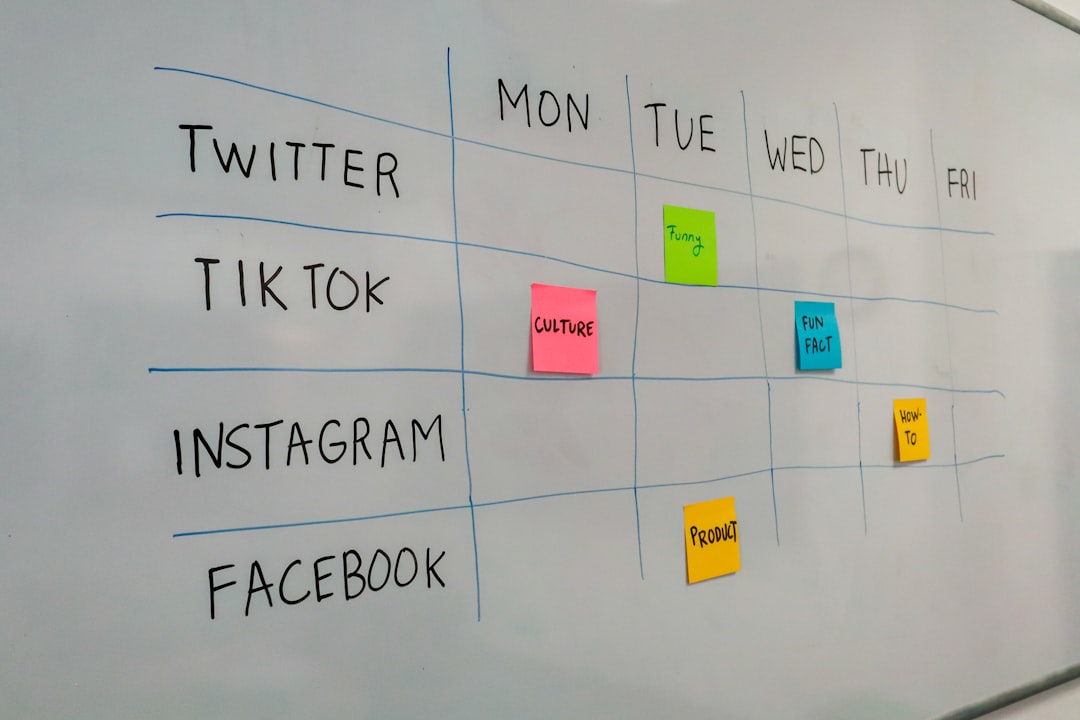
Try this simple schedule:
- Post two or three times per week.
- Comment on five useful posts per day.
- Send a few thoughtful connection requests per week.
- Review your results once a month.
That is enough to build momentum. Small actions stack up. Like tiny bricks. Or tiny tacos. Either way, they work.
Use Comments to Get Seen
Comments are underrated. A smart comment can get more attention than a post. This is because you are joining a conversation that already has an audience.
Do not write lazy comments like “Great post!” or “Thanks for sharing!” Those are fine, but they do not build much trust.
Instead, add something useful. Share an example. Ask a smart question. Add a quick tip. Be kind and real.
For example:
“I agree with this. We saw the same thing when we simplified our onboarding emails. Fewer steps made a big difference.”
That kind of comment shows experience. It also makes people curious about you.
Grow Your Network With Care
Your LinkedIn network should not be a random crowd. It should be full of people who matter to your business. This can include clients, future clients, partners, suppliers, industry leaders, media contacts, and great talent.
When you send a connection request, add a short note. Make it human. Do not pitch right away. Nobody likes opening a new connection and getting hit with a sales essay. It feels like being handed a flyer in a peaceful elevator.
Try this:
“Hi Sarah, I enjoyed your post about customer retention. I work with small businesses on growth, and I would be happy to connect.”
Simple. Friendly. No pressure.
After they accept, do not sell at once. Start a conversation. Engage with their posts. Learn about their needs. Build trust first. Sales gets much easier when people already know you.
Show Proof and Build Trust
Branding is not just about looking good. It is about proving you can help. LinkedIn is a great place to share proof.
You can share:
- Client results
- Testimonials
- Before and after stories
- Project highlights
- Lessons from real work
- Awards or certifications
Be careful with client details. Get permission when needed. You can also share anonymous stories if privacy matters.
Instead of saying, “We are the best,” show how you helped. Proof is stronger than bragging. It is also less annoying.
Use LinkedIn Articles and Newsletters
Short posts are great. But longer content can also help your brand. LinkedIn articles and newsletters let you go deeper. They are useful for education, thought leadership, and search visibility.
You can write about common questions in your industry. You can explain trends. You can share guides. You can turn client problems into helpful lessons.
For example, a business coach might write:
- How to hire your first manager
- Why small teams need simple systems
- How to stop working in panic mode
Long content can position you as a trusted expert. It also gives you more material to reuse. One article can become several short posts, a carousel, a video, or an email.
Try Video and Visual Content
People like faces. They like quick tips. They like content that is easy to scan. This is why video and visuals can work well on LinkedIn.
You do not need a movie crew. A simple phone video is enough. Talk about one idea. Keep it short. Use captions if you can.
Visual content can include:
- Simple charts
- Carousels
- Quote graphics
- Team photos
- Event photos
- Process diagrams
Make sure every visual has a point. Pretty is nice. Useful is better. Pretty and useful is the magic combo.

Use LinkedIn for Lead Generation
LinkedIn can bring leads, but it works best when you are patient. Think relationship first. Pitch second.
A simple lead generation flow looks like this:
- Find people who match your ideal client.
- Connect with a personal note.
- Engage with their content.
- Share helpful posts related to their problems.
- Start a friendly conversation.
- Offer help when it makes sense.
Your goal is not to trap people in a sales tunnel. Your goal is to start useful conversations. When people feel understood, they are more open to hearing about your offer.
You can also use LinkedIn search to find leads by job title, company, industry, and location. Save lists. Track conversations. Follow up politely. Do not spam. Spam makes brands smell bad.
Support Employee Advocacy
Your team can help your brand grow. People trust people more than company pages. When employees share company content or talk about their work, your brand reaches new audiences.
Make it easy for them. Share post ideas. Give them company updates. Encourage them to write in their own voice. Do not force everyone to sound like a corporate brochure.
Employee posts can include:
- Team wins
- Work lessons
- Event photos
- Product updates
- Customer stories
- Company culture moments
This makes your brand feel alive. It shows the humans behind the business. Humans are good for business. Usually.
Measure What Matters
You need to know what is working. Do not guess forever. LinkedIn gives you useful data. Check it often, but do not obsess every five minutes.
Track these numbers:
- Profile views: Are more people checking you out?
- Post impressions: Are your posts reaching people?
- Engagement: Are people liking, commenting, and sharing?
- Follower growth: Is your audience growing?
- Connection quality: Are you reaching the right people?
- Leads and conversations: Is LinkedIn creating business opportunities?
Look for patterns. What topics get comments? What posts bring profile views? What content leads to messages? Do more of what works. Fix or drop what does not.
Keep Your Brand Voice Clear
Your brand voice is how your business sounds. On LinkedIn, your voice should match your audience and values. It can be smart, warm, bold, funny, calm, or practical.
But it should always be clear.
Avoid trying to sound important with huge words. Simple language wins. If a 12 year old can understand your post, many busy executives will thank you.
Use your brand voice in:
- Your profile
- Your company page
- Your posts
- Your comments
- Your messages
- Your visuals
When your voice is consistent, people start to recognize you. Recognition builds trust. Trust helps growth.
A Simple Weekly LinkedIn Plan
Here is a simple plan you can start this week:
- Monday: Post a useful tip or checklist.
- Tuesday: Comment on posts from clients and industry leaders.
- Wednesday: Share a story or lesson from your work.
- Thursday: Send thoughtful connection requests.
- Friday: Post a win, insight, or behind the scenes update.
Repeat this for a month. Then review your results. Adjust your topics. Keep going. LinkedIn rewards steady effort.
Final Thoughts
LinkedIn can be a powerful tool for business growth and branding. But it is not magic. You need a clear profile, a useful company page, helpful content, real conversations, and steady action.
Do not overcomplicate it. Show up. Help people. Share what you know. Connect with care. Prove your value over time.
Your brand grows when people trust you. LinkedIn gives you a place to build that trust every day. Use it well, and it can become one of your best business growth channels.