Quality management software is having a big moment in 2026. It is no longer just a place to store forms. It is becoming the smart helper every quality team has wanted for years. Think fewer spreadsheets, faster audits, calmer teams, and fewer “Where is that file?” moments.
TLDR: In 2026, QMS software is getting smarter, simpler, and more connected. AI is helping teams write reports, spot risks, and prepare for audits. Cloud tools, supplier tracking, mobile apps, and stronger cybersecurity are now major priorities. The big goal is clear: make quality easier for real people, not just for compliance experts.
Table of Contents
QMS Software in 2026: The Big Picture
QMS stands for Quality Management System. QMS software helps companies manage quality tasks. These tasks include audits, documents, training, complaints, corrective actions, supplier checks, and risk reviews.
In the past, many teams used paper binders. Then they used shared folders. Then they used spreadsheets. That worked for a while. Sort of. But quality work became more complex. Rules changed. Supply chains grew. Customers expected more. Auditors asked tougher questions.
So in 2026, QMS software is stepping up. It is faster. It is more visual. It is more automated. Most of all, it is easier to use.
That is great news for anyone who has ever chased a signature for three days.

AI Is the Star of the Show
The biggest QMS software news for 2026 is simple. AI is everywhere.
But do not picture a robot in a lab coat. Picture a helpful assistant inside your QMS. It reads. It summarizes. It suggests next steps. It finds patterns. It does not get tired. It does not lose the audit checklist under a coffee mug.
AI features are now showing up in many areas:
- CAPA support: AI can suggest root causes and actions.
- Audit prep: AI can scan records and find gaps.
- Document control: AI can flag outdated language.
- Training: AI can recommend training based on roles.
- Complaints: AI can group similar issues together.
- Risk management: AI can spot trends before they grow.
This does not mean AI replaces quality people. Not even close. Quality teams still make the decisions. AI just helps them move faster. It is like having a super organized teammate who loves boring tasks.
Simple User Experience Is Now a Must
In 2026, people have very little patience for clunky software. If an app feels like it was built during the era of fax machines, users complain. Loudly.
That is why modern QMS platforms are focusing on clean design. Menus are simpler. Dashboards are clearer. Workflows look more like everyday apps. Buttons make sense. Search works better. Mobile screens are easier to read.
This matters because QMS software is used by many people. Not only quality managers. Operators use it. Engineers use it. Suppliers use it. Customer service teams use it. Executives use it. Even auditors may use it during reviews.
If the software is confusing, people avoid it. Then data becomes late. Tasks get missed. Quality suffers.
Good design is not just pretty. It is practical. It helps people do the right thing quickly.
Cloud QMS Keeps Growing
Cloud QMS is now the normal choice for many companies. In 2026, this trend is still growing.
Cloud systems are popular because they are easier to access. Teams can log in from offices, plants, labs, homes, and supplier sites. Updates happen faster. IT teams have less hardware to manage. Remote audits also become easier.
Cloud QMS also helps global companies stay aligned. A team in Germany can follow the same process as a team in Mexico. A plant in India can see the same updated document as a plant in Canada. Everyone works from one source of truth.
That phrase gets used a lot. But it matters. One source of truth means fewer mystery files named final final approved v7 new.
Mobile Quality Work Is Becoming Normal
Quality does not always happen at a desk. It happens on the shop floor. It happens in warehouses. It happens in labs. It happens during inspections. It happens when someone notices a problem and needs to report it fast.
That is why mobile QMS features are getting better in 2026.
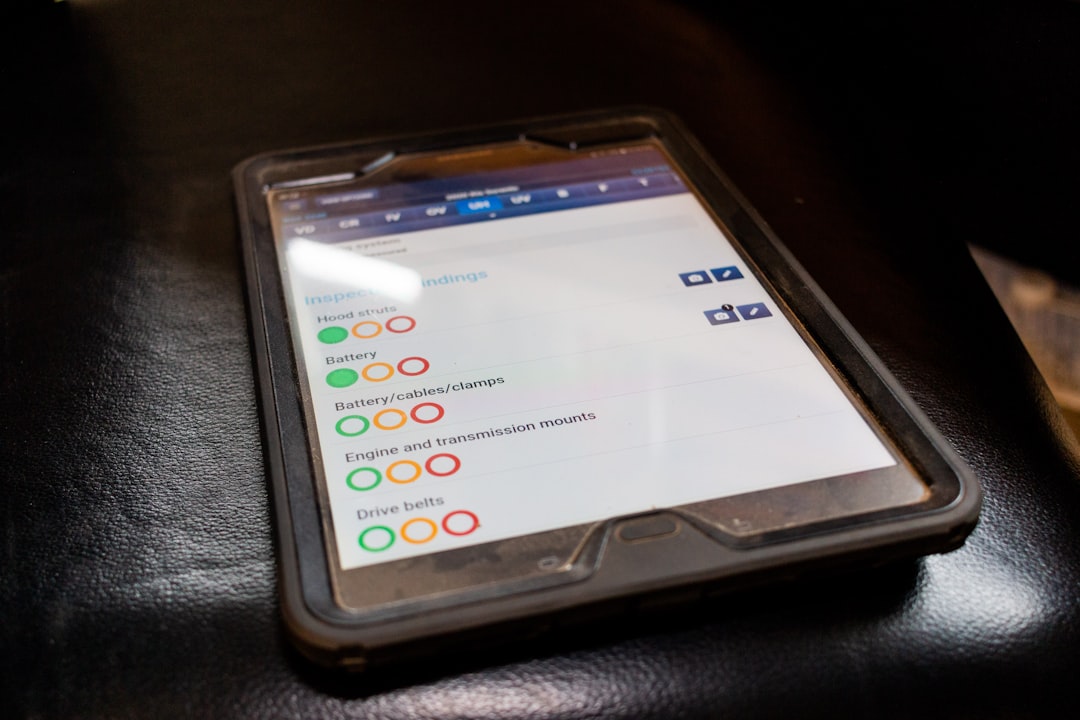
Teams can now do more from phones and tablets:
- Take inspection photos.
- Scan equipment codes.
- Complete checklists.
- Report nonconformances.
- Approve tasks.
- View procedures.
- Record training.
This is a big deal. It reduces delays. It also improves data quality. When people can report issues in the moment, details are more accurate. Nobody has to remember what happened four hours later.
Supplier Quality Is Getting Serious
Supply chains are still a major focus in 2026. This is not surprising. Companies learned many hard lessons over the last few years. A small supplier issue can become a big customer problem very fast.
Modern QMS software now includes stronger supplier tools. These tools help teams track supplier ratings, audits, certifications, complaints, delays, and risks.
Some systems can send automatic reminders to suppliers. Others allow suppliers to upload documents directly. Many platforms also connect supplier issues to internal CAPAs and risk records.
This helps companies answer big questions:
- Which suppliers are high risk?
- Which suppliers keep causing issues?
- Which certificates are about to expire?
- Which suppliers need an audit soon?
- Which materials are linked to complaints?
In 2026, supplier quality is not just a purchasing problem. It is a quality problem, a compliance problem, and a customer trust problem.
Audit Management Is Becoming Less Scary
Audits will never be a party. There are no balloons. There is rarely cake. But QMS software is making audits less painful.
In 2026, audit management features are more advanced. Teams can plan audits, assign questions, collect evidence, create findings, and track actions in one place.
Internal audits are also becoming more data driven. Instead of choosing audit areas at random, teams can use risk scores and performance trends. This makes audits smarter. It also helps teams focus on areas that need attention.
For external audits, QMS software can create audit rooms. These are secure spaces where auditors can view selected documents. The company controls what is shared. That keeps things neat and safer.
Less panic. More proof. That is the new audit mood.
Regulated Industries Want Built In Compliance
Companies in medical devices, pharma, aerospace, automotive, food, and chemicals have strict rules. They need much more than a simple task tracker. They need systems that support compliance from the start.
In 2026, QMS vendors are building more compliance features into their platforms. These may include electronic signatures, audit trails, controlled records, validation tools, training links, and role based access.
Common standards and rules still matter a lot. These include ISO 9001, ISO 13485, 21 CFR Part 11, EU MDR, IATF 16949, AS9100, and food safety standards.
The update for 2026 is not that rules disappeared. Sorry. They did not. The update is that software is doing more of the heavy lifting.
Risk Management Is Moving Into Daily Work
Risk management used to live in special meetings. People opened a spreadsheet. They debated scores. They saved the file. Then everyone forgot about it until the next review.
In 2026, risk is becoming part of daily QMS activity.
For example, a complaint may update a product risk record. A supplier issue may raise a supply chain risk score. A failed audit may trigger a process risk review. A late training record may increase compliance risk.
This is useful because risk becomes alive. It changes when real things happen. It is not just a document that sleeps in a folder.
Many QMS platforms now show risk on dashboards. That helps leaders see trouble early. It also helps teams act before small sparks become quality bonfires.
Connected Systems Are Winning
No software should be an island. Especially QMS software.
In 2026, companies want QMS platforms that connect with other systems. These include ERP, MES, CRM, PLM, LIMS, HR, learning platforms, and business intelligence tools.
Why does this matter? Because quality data often lives in many places. Production data may be in MES. Customer complaints may start in CRM. Supplier data may sit in ERP. Training records may live in HR software.
When systems connect, teams do less copy and paste. That means fewer errors. It also means faster decisions.
Integration is one of the biggest buying factors in 2026. Companies want software that plays nicely with others. No one wants a diva system.
Cybersecurity Is a Quality Issue Now
Cybersecurity used to be seen as an IT topic. In 2026, it is also a quality topic.
QMS software stores important information. It may hold product records, audit trails, complaint data, supplier files, training records, and regulated documents. If that data is lost or changed, quality is at risk.
So buyers are asking tougher security questions:
- Does the system support multi factor login?
- Are records encrypted?
- Can access be limited by role?
- Is there a clear audit trail?
- How often are backups done?
- How are updates tested?
This is smart. Quality depends on trust. If people cannot trust the data, they cannot trust the process.
No Code Workflows Are Making Teams Faster
Another fun update for 2026 is the rise of no code workflow builders. These tools let quality teams change forms and workflows without needing a developer every time.
This is great for busy teams. A manager can adjust an approval path. A quality engineer can update a checklist. A compliance lead can add a required field. Changes can happen faster, with proper controls.
Of course, regulated companies still need governance. You cannot let everyone redesign the QMS during lunch. But no code tools make controlled improvement easier.
The best systems balance flexibility with control. That is the sweet spot.
Training Is Getting More Personal
Training is a huge part of quality. People need to know what to do. They also need proof that they were trained.
In 2026, QMS training modules are becoming more personal. Instead of dumping the same training on everyone, systems can assign training by role, site, product, process, or risk level.
Some platforms also use quizzes, videos, reminders, and skill checks. Others connect training to document updates. When a procedure changes, the right people get notified. That is much better than sending a giant email and hoping for the best.
Good training tools help stop problems before they happen. That is cheaper than fixing mistakes later.
Analytics Are Getting Easier to Read
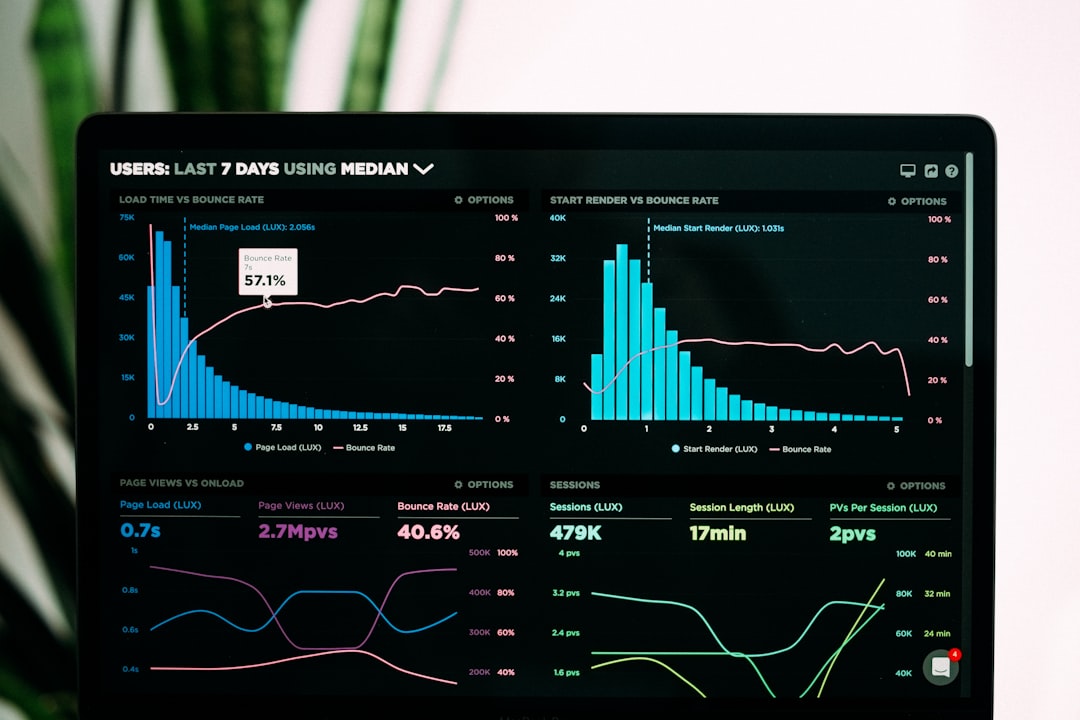
Quality teams love data. But they do not always love messy charts.
In 2026, dashboards are becoming cleaner and more useful. Instead of showing every number in the universe, smart dashboards show what matters.
Common QMS metrics include:
- Open CAPAs.
- Overdue tasks.
- Audit findings.
- Complaint trends.
- Supplier performance.
- Training completion.
- Document review status.
- Nonconformance rates.
The best dashboards tell a story. They help users see what is improving, what is stuck, and what needs action today.
What Buyers Should Watch in 2026
If your company is choosing QMS software in 2026, do not only look at shiny features. Look at fit. A tool can be powerful and still be wrong for your team.
Ask simple questions:
- Is it easy for everyday users?
- Does it support our industry rules?
- Can it grow with us?
- Does it connect with our other systems?
- How strong is the vendor support?
- Can we configure workflows safely?
- Are reports clear?
- Is the pricing easy to understand?
Also ask for a real demo. Use your own examples. Do not only watch a perfect sales story. Real life is messier. Your software should handle that mess.
The Fun Future of Quality
Quality work will always need people who care. Software cannot replace judgment, teamwork, or common sense. But it can remove a lot of boring friction.
That is the main QMS software story for 2026. The tools are becoming smarter. They are becoming friendlier. They are becoming more connected to the real world.
Quality teams can spend less time hunting files. They can spend more time preventing problems. Leaders can see risks earlier. Auditors can get evidence faster. Customers can get safer, better products.
That is a win for everyone.
In short: QMS software in 2026 is less like a digital filing cabinet and more like a quality command center. It is practical. It is smarter. It may even make audits a little less scary. And that, honestly, feels like progress worth celebrating.