
Designers are known for their impeccable eye for detail, elegance, and minimalism—especially when it comes to their online portfolios. In the age of data-driven decision-making, integrating analytics into websites is no longer optional. Still, many designers shy away from bloated analytics dashboards like Umami or Google Analytics that clutter their clean interfaces. Instead, minimal analytics widgets offer leaner, privacy-friendly, and visually harmonious alternatives that deliver insights without compromising aesthetics.
TLDR: Tired of heavyweight analytics tools dragging down your sleek portfolio design? Discover 8 of the best minimal analytics widgets that deliver actionable insights without overwhelming your UI. Ideal for designers who prioritize simplicity and style, these tools are often privacy-focused and lightweight. Whether you want to track visitors, session times, or bounce rates, you’ll find an elegant solution for your needs below.
Table of Contents
Why Skip Umami?
While Umami is a popular open-source alternative to Google Analytics, some designers still find it too invasive or visually intense. The typical designer’s portfolio needs simple at-a-glance stats: how many people visited, where they came from, which project was most viewed. Using heavy dashboards with complex graphs can break the minimalist narrative your portfolio tells.
So what’s the alternative? Embeddable, clean, and often beautifully minimalist analytics widgets. Below are eight top choices that designers and developers alike have recently adopted to keep things elegant without losing crucial data points.
1. Plausable’s Minimal Embed Widget
Best for: Privacy-conscious designers who want essential, real-time stats packaged in a subtle, embeddable UI.
Plausible is GDPR-compliant, cookie-free, and open-source. Its embeddable dashboard can be customized to match your site’s design language. The widget is clean, unobtrusive, and loads lightning-fast.
- Real-time visitor count
- Page views and bounce rate tracker
- Interactive time window settings
Plausible’s API can be used to build a custom widget in the bottom corner of a site that simply shows current active users—a favorite among minimalists.
2. Simple Analytics Insight Box
Best for: Designers who want transparent data sharing with a focus on simplicity and ethics.
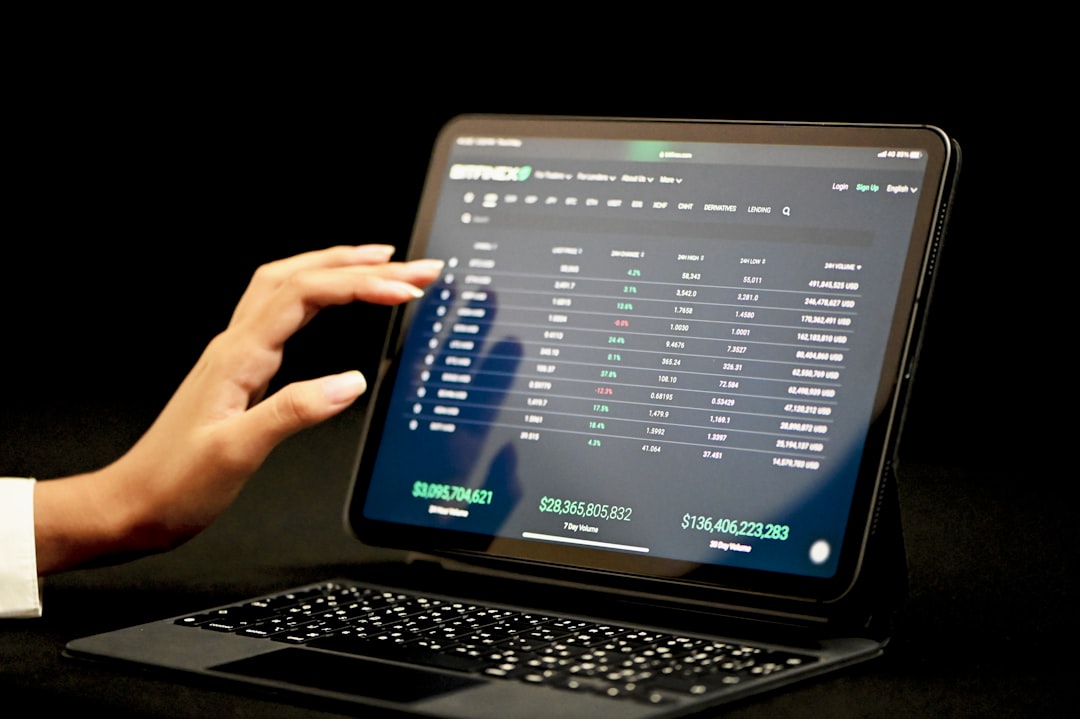
Simple Analytics offers a superior alternative for embedded dashboards. Their “Insight Box” widget provides digestible chunks of data summarized in single-view modules.
- Top pages and referrers in a carousel format
- No personal data collection
- Visually cohesive and lightweight
It works particularly well on personal and freelance portfolios where showing metrics publicly—like views on a case study—can create social proof.
3. Microanalytics Badge
Best for: Those who want a small, badge-style indicator of traffic, similar to GitHub stars or forks.
Microanalytics offers a free and low-cost solution that gives you just what you need: a small text badge that shows session count or unique visitors.
- Tiny script, no dependencies
- Completely cookie-free
- Customizable display size and colors
Perfect for positioning at the footer of your site or just beneath a project showcase.
4. Fathom Lite Dashboard
Best for: Designers with client portfolios needing aggregated, easy-to-scan data points.
Fathom is another privacy-first analytics tool, and its “Lite Dashboard” mode can be embedded into portfolio-style templates with ease. It’s lean, focused, and user-friendly.
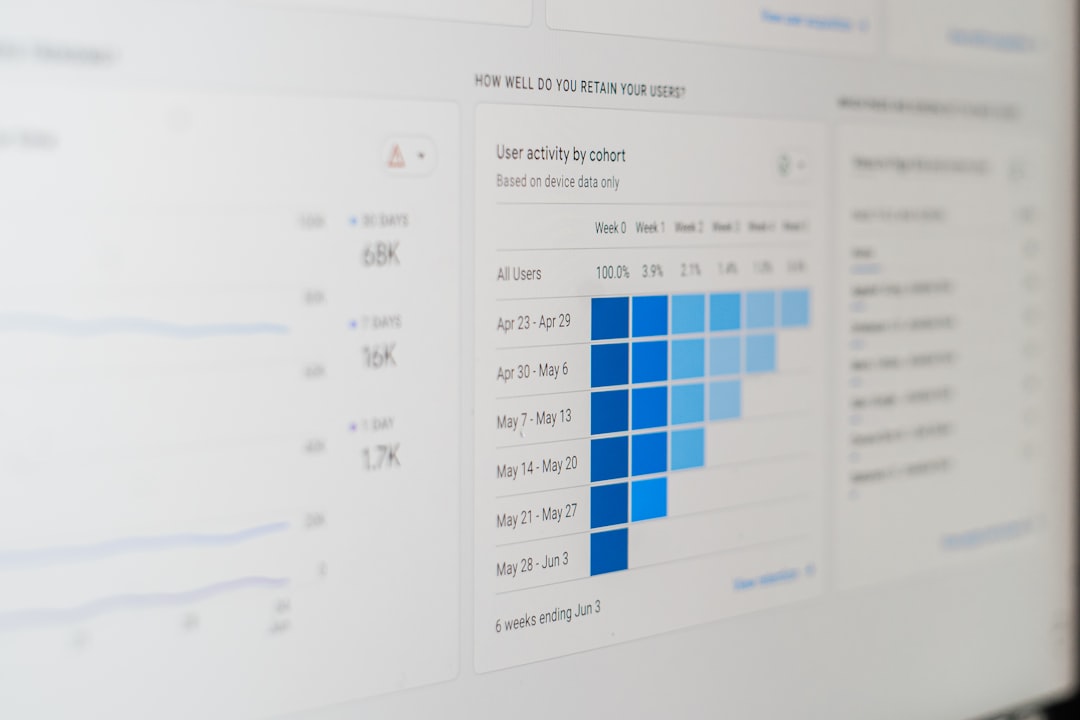
Notable features include:
- Total views by page
- Referral sources
- Average session time
If you like a monochrome UI and zero-tracking overhead, Fathom Lite won’t disrupt your visual rhythm.
5. Visitor.js Widget
Best for: Developers and designers who want total control via JavaScript injection.
Visitor.js is a code-first, visualization-second tool that lets you create your own widget using a minimal library. This is great for complete personalization—if you’re into micro-interactions for your UI, this gives you the freedom to animate stats, map clicks, or toggle views without any third-party branding.
- Zero dependencies
- Custom event tracking
- Integrates with most frontend frameworks
Perfect for turning your analytics into part of the storytelling experience.
6. GoatCounter Mini Panel
Best for: Designers looking for an open-source, ethical tool with live tracking.
Named whimsically but built with serious performance in mind, GoatCounter’s Mini Panel features only crucial data. It gently floats onto a corner of the screen or can be stationary within a layout grid.
- Open source and self-hostable
- Dark mode support and transparency
- Live user tracking with no cookies
Icing on the cake? It comes with no flashy logos or unnecessary features.
7. Stacc.example’s Scroll-Aware Widget
Best for: Portfolios heavy on storytelling or long-scroll designs.
This widget activates only when a user scrolls through a specific percentage of your page, triggering analytics collection and optionally displaying a mini report. Especially useful on parallax or single-page websites popular among illustrators and UX storytellers.
- Event-based tracking only
- Add-on integrations for A/B testing
- Supports lazy loading
Ideal for identifying drop-off points in narrative-driven portfolios.
8. InfoPage Pulse Dot
Best for: Ultra-minimalist designers who want zero visual clutter.
This is barely a widget—just a tiny dot in the corner that pulses gently with visitor activity. Hovering over it reveals light stats like unique views and geographical heatmaps. InfoPage offers a unique take that prioritizes subtle design while still giving you meaningful interaction data.
- Hidden until interacted with
- Configured via CSS and short JS block
- Designed specifically for minimalist design sites
No numbers flashing at all times—just a soft indicator someone’s watching your work.
Tips for Choosing a Minimal Analytics Widget
As you decide which widget to add to your portfolio site, consider these key points:
- Performance: Make sure it doesn’t slow your site down—choose a widget under 50KB if possible.
- Design Balance: Pick something that matches your color scheme and doesn’t invade white space.
- Privacy Laws: Opt for cookie-free and GDPR-compliant widgets to avoid legal complexities.
- Data Simplicity: Do you really need bounce rate and UTM data? Or just unique visits?
Final Thoughts
Gone are the days when you had to choose between aesthetics and analytics. Today’s minimal analytics widgets respect both your users’ privacy and your portfolio’s design integrity. By integrating one of these 8 subtle, efficient tools, you enrich your site with insights that power better content decisions—without betraying your visual principles.
Designers have long proven that less is often more. With these widgets, your site’s backend can reflect the same philosophy your frontend lives by. Elegant, minimal, and informed—that’s the modern creative’s analytic approach.