In today’s hyper-competitive digital economy, brands are no longer competing solely on product quality or price. They are competing on attention, engagement, personalization, and speed. Digital marketing apps have become essential tools for businesses striving to stand out in saturated markets. The right applications empower brands to automate workflows, refine targeting, analyze consumer behavior, and create compelling content that resonates with modern audiences.
TLDR: Digital marketing apps help brands differentiate themselves through automation, personalization, data analytics, SEO optimization, social media management, and performance tracking. Choosing the right combination of tools allows companies to improve efficiency, deliver targeted messaging, and respond quickly to market changes. Competitive brands leverage data-driven insights rather than guesswork. Smart implementation of these apps leads to measurable growth and stronger brand visibility.
Below is a detailed look at the most impactful types of digital marketing apps, along with specific tools that serious marketers consistently trust.
Table of Contents
1. Social Media Management Apps
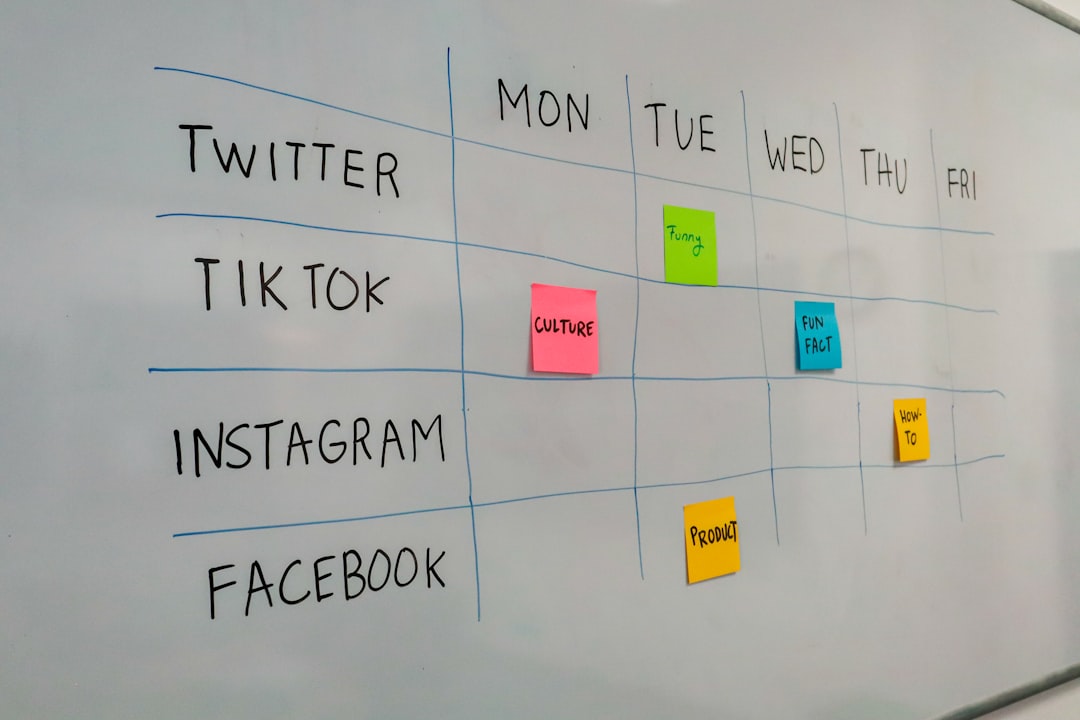
Social media remains one of the most competitive marketing channels. Brands must publish consistently, respond to customers quickly, and analyze engagement trends. Social media management apps centralize these activities into one streamlined dashboard.

- Hootsuite: Enables scheduling across platforms, real-time monitoring, and performance reporting.
- Buffer: Known for simplicity and clean analytics, ideal for small to mid-sized teams.
- Sprout Social: Advanced reporting, competitor analysis, and CRM integration.
Why they matter: Competitive markets demand fast response times and consistent messaging. These apps prevent content gaps and enable brands to maintain a coherent voice across channels.
2. Email Marketing & Automation Platforms
Email marketing consistently delivers one of the strongest returns on investment in digital marketing. However, generic mass emails no longer work. Personalization, segmentation, and automated sequences are key differentiators.
- Mailchimp: User-friendly automation for growing brands.
- ActiveCampaign: Advanced behavioral targeting and CRM integration.
- HubSpot: Comprehensive marketing automation platform with deep analytics.
Key Benefits:
- Behavior-based automated campaigns
- Lead scoring and segmentation
- A/B testing for continual performance improvement
- Detailed conversion tracking
Powerful automation allows brands to nurture leads consistently without manual effort, creating a competitive advantage in lead conversion and retention.
3. SEO & Content Optimization Tools
Search engine visibility directly influences brand authority. Without a strong SEO strategy, even the best offerings can remain invisible.
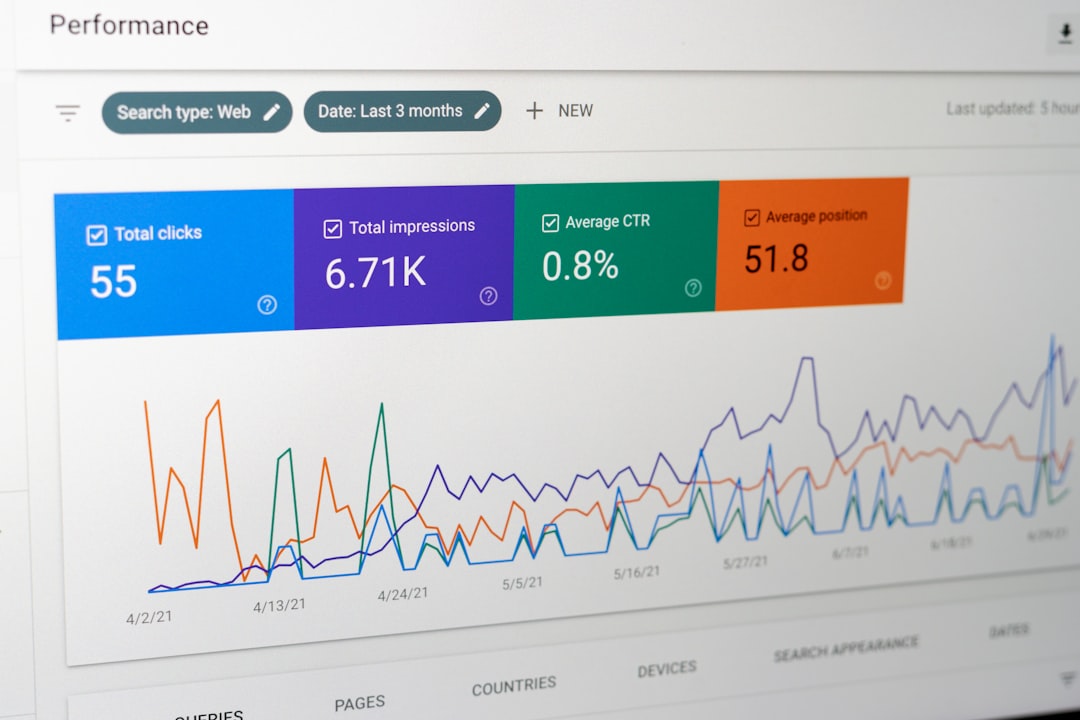
- SEMrush: Comprehensive keyword research, backlink tracking, and competitive analysis.
- Ahrefs: Industry-leading backlink database and keyword insights.
- Surfer SEO: Real-time content optimization recommendations.
Why these apps stand out:
- Reveal gaps competitors are exploiting
- Track ranking performance over time
- Provide actionable optimization suggestions
Brands in competitive industries rely on data-driven SEO strategies to secure sustainable organic traffic rather than depending entirely on paid ads.
4. Data Analytics & Performance Tracking Tools
Without accurate performance data, marketing becomes speculation. Analytics apps offer clarity, enabling brands to measure ROI, conversion rates, and audience behavior.
- Google Analytics: Industry standard for traffic and behavior tracking.
- Mixpanel: Advanced product and event-based tracking.
- Tableau: Data visualization for strategic decision-making.
Competitive Advantage: Brands that analyze user journeys can refine marketing touchpoints and eliminate bottlenecks in the sales funnel.
5. Graphic Design & Content Creation Apps
Visual identity significantly influences brand perception. In crowded markets, distinctive visuals increase memorability and credibility.

- Canva: Simplified design tool with extensive templates.
- Adobe Creative Cloud: Professional-level design and editing tools.
- Figma: Collaborative interface design platform.
High-quality content signals professionalism. Consistent brand visuals strengthen recognition across advertising, websites, and social content.
6. Customer Relationship Management (CRM) Systems
Standing out requires knowing your customers deeply. CRM apps centralize customer data for precise targeting and personalization.
- Salesforce: Enterprise-level customization and scalability.
- Zoho CRM: Cost-effective solution for small to mid-sized businesses.
- HubSpot CRM: Seamless integration with marketing automation.
Core Advantages:
- Unified customer profiles
- Automated follow-ups
- Sales pipeline tracking
- Performance forecasting
When integrated properly, CRM platforms align marketing and sales teams, ensuring that messaging remains coherent throughout the customer journey.
Comparison Chart of Leading Digital Marketing Apps
| Category | Tool | Best For | Notable Strength |
|---|---|---|---|
| Social Media | Hootsuite | Multi-platform management | Comprehensive scheduling |
| Email Automation | ActiveCampaign | Advanced segmentation | Behavior-based targeting |
| SEO | SEMrush | Competitive analysis | Keyword and backlink tracking |
| Analytics | Google Analytics | Website traffic insights | Detailed user behavior data |
| Design | Canva | Fast content creation | User-friendly templates |
| CRM | Salesforce | Enterprise organizations | Extensive customization |
How Brands Use These Apps to Gain a Competitive Edge
The difference between average and exceptional marketing outcomes rarely depends on one single tool. Instead, success comes from strategic integration. Leading brands combine:
- SEO data with content planning
- CRM insights with personalized email automation
- Social media metrics with paid ad strategies
- Analytics dashboards with executive decision-making
For example, keyword research informs blog content creation. That content is distributed via social scheduling apps. Engagement metrics then feed into CRM systems, allowing further personalization. This connected ecosystem forms a self-reinforcing marketing engine.
Key Criteria for Selecting the Right Marketing Apps
Not every app benefits every brand. Decision-makers should evaluate:
- Scalability: Will the tool grow with the organization?
- Integration capabilities: Does it connect with existing systems?
- Data transparency: Are reports clear and actionable?
- Ease of use: Can teams adopt it quickly?
- Cost-effectiveness: Does the ROI justify the expense?
Careful selection ensures technology strengthens operations rather than complicating workflows.
Common Mistakes Brands Should Avoid
Even powerful apps can produce mediocre results if misused. Common pitfalls include:
- Over-automation that removes human authenticity
- Ignoring analytics insights
- Failing to maintain consistent branding
- Using too many overlapping tools
- Neglecting staff training
Competitive advantage comes from thoughtful implementation, not tool accumulation.
The Strategic Value of Digital Marketing Apps
Markets are evolving rapidly. Consumer expectations are changing. Algorithms update frequently. Brands that depend solely on manual processes fall behind.
Advanced digital marketing apps enable:
- Faster campaign launches
- Data-driven strategy refinement
- Precise audience targeting
- Consistent brand messaging
- Transparent performance measurement
In highly competitive environments, these capabilities are not luxuries—they are necessities.
Final Thoughts
Standing out in competitive markets demands more than creativity or a large budget. It requires strategic discipline, reliable data, and the intelligent use of digital marketing apps. From SEO platforms and CRM systems to automation and design tools, each category plays a distinctive role in shaping modern brand success.
Organizations that adopt integrated, data-driven marketing ecosystems achieve stronger visibility, deeper customer relationships, and measurable growth. Those that hesitate risk being overshadowed by more technologically agile competitors.
Ultimately, digital marketing apps are not merely productivity aids. When implemented correctly, they become strategic assets that define how effectively a brand competes—and whether it leads or follows in today’s crowded marketplace.