Metal shapes our world. It holds up our homes. It powers our cars. It carries electricity across cities. When people talk about Kovových, they are talking about the science, craft, and industry of metal materials. It covers how metals are made, shaped, tested, and used in modern life. This guide makes it all simple and fun to understand.
TLDR: Kovových is all about metal materials and how they power modern industry. Metals are strong, flexible, and essential for buildings, machines, and technology. Different metals have different strengths, costs, and uses. Understanding them helps businesses build better products and a smarter future.
Table of Contents
What Does Kovových Mean?
The word Kovových comes from the world of metal. It relates to metal materials and metalworking. Think steel beams. Think aluminum cans. Think copper wires. All of that falls under Kovových.
It includes:
- Metal extraction from ore
- Refining and alloying
- Manufacturing processes
- Industrial applications
- Recycling and sustainability
In short, it covers the full metal journey. From rock in the ground to skyscraper in the skyline.
Why Metals Matter So Much
Look around you. Metals are everywhere. They are in your phone. In your bike. In your kitchen sink.
Why? Because metals have powerful properties.
- They are strong.
- They can be shaped.
- They conduct heat and electricity.
- They last a long time.
- They can be recycled again and again.
Modern industry depends on these traits. Without metals, there would be no bridges, trains, or power grids.
Common Metal Materials in Industry
Not all metals are the same. Each one has its own personality. Some are heavy and tough. Others are light and flexible.
Here are the stars of the Kovových world:
1. Steel
Steel is iron mixed with carbon. It is strong and affordable. It is used in buildings, cars, and tools.
2. Aluminum
Aluminum is light and resistant to rust. It is perfect for airplanes and drink cans.
3. Copper
Copper carries electricity very well. That is why it is used in wires and motors.
4. Stainless Steel
This steel resists rust. It looks shiny and clean. It is used in kitchens and hospitals.
5. Titanium
Titanium is strong but light. It resists corrosion. It is used in aerospace and medical implants.
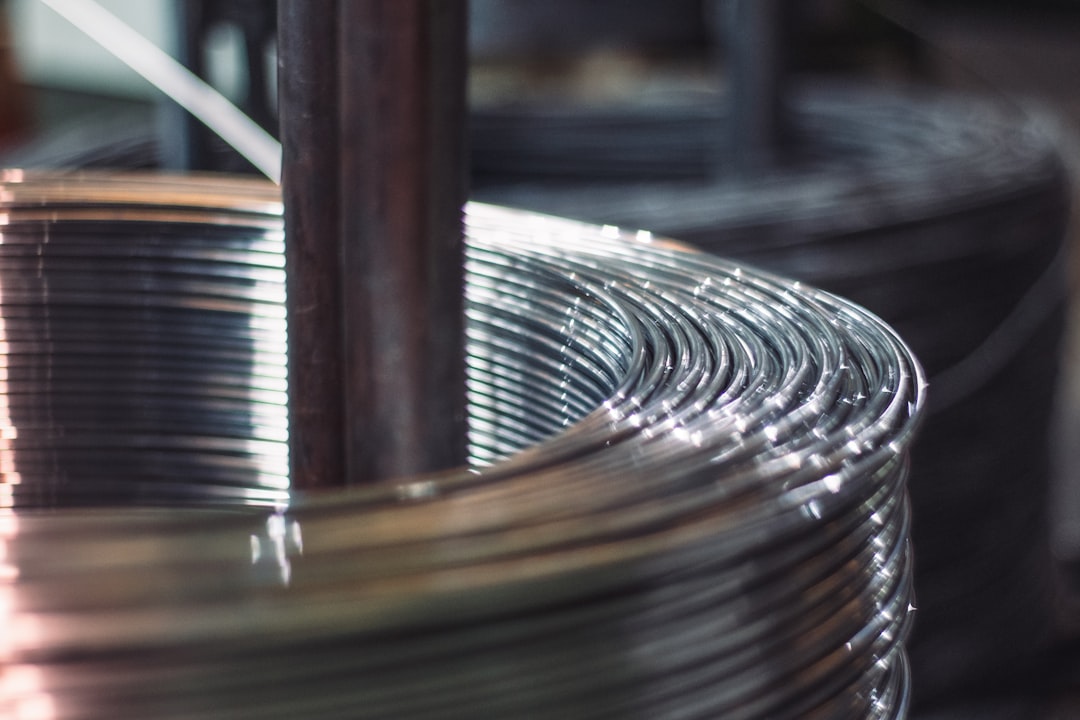
Metal Comparison Chart
Each metal has strengths and weaknesses. Here is a simple comparison:
| Metal | Strength | Weight | Corrosion Resistance | Common Uses |
|---|---|---|---|---|
| Steel | Very High | Heavy | Medium | Buildings, bridges, cars |
| Aluminum | Medium | Light | High | Aircraft, packaging, frames |
| Copper | Medium | Heavy | Medium | Electrical wiring, plumbing |
| Stainless Steel | High | Heavy | Very High | Kitchen tools, medical devices |
| Titanium | Very High | Light | Very High | Aerospace, implants |
This chart shows why different industries choose different metals. There is no one perfect material.
How Metals Are Made
The Kovových process starts deep in the earth. Metals are found in ore. Ore is rock that contains metal.
The basic steps are:
- Mining – Removing ore from the ground.
- Smelting – Heating ore to extract metal.
- Refining – Removing impurities.
- Alloying – Mixing metals to improve properties.
Alloying is a game changer. It allows engineers to design metals with special traits. More strength. More flexibility. Better corrosion resistance.
For example:
- Add chromium to steel, and you get stainless steel.
- Add nickel, and you improve toughness.
- Add carbon, and you increase hardness.
This is where science meets creativity.
Metal Forming and Shaping
Once metal is ready, it must be shaped. Industry uses many methods.
- Casting – Pouring molten metal into molds.
- Forging – Shaping metal with pressure.
- Rolling – Flattening metal into sheets.
- Extrusion – Pushing metal through a die.
- Machining – Cutting metal into precise shapes.
Each process changes the internal structure of the metal. That affects strength and durability.
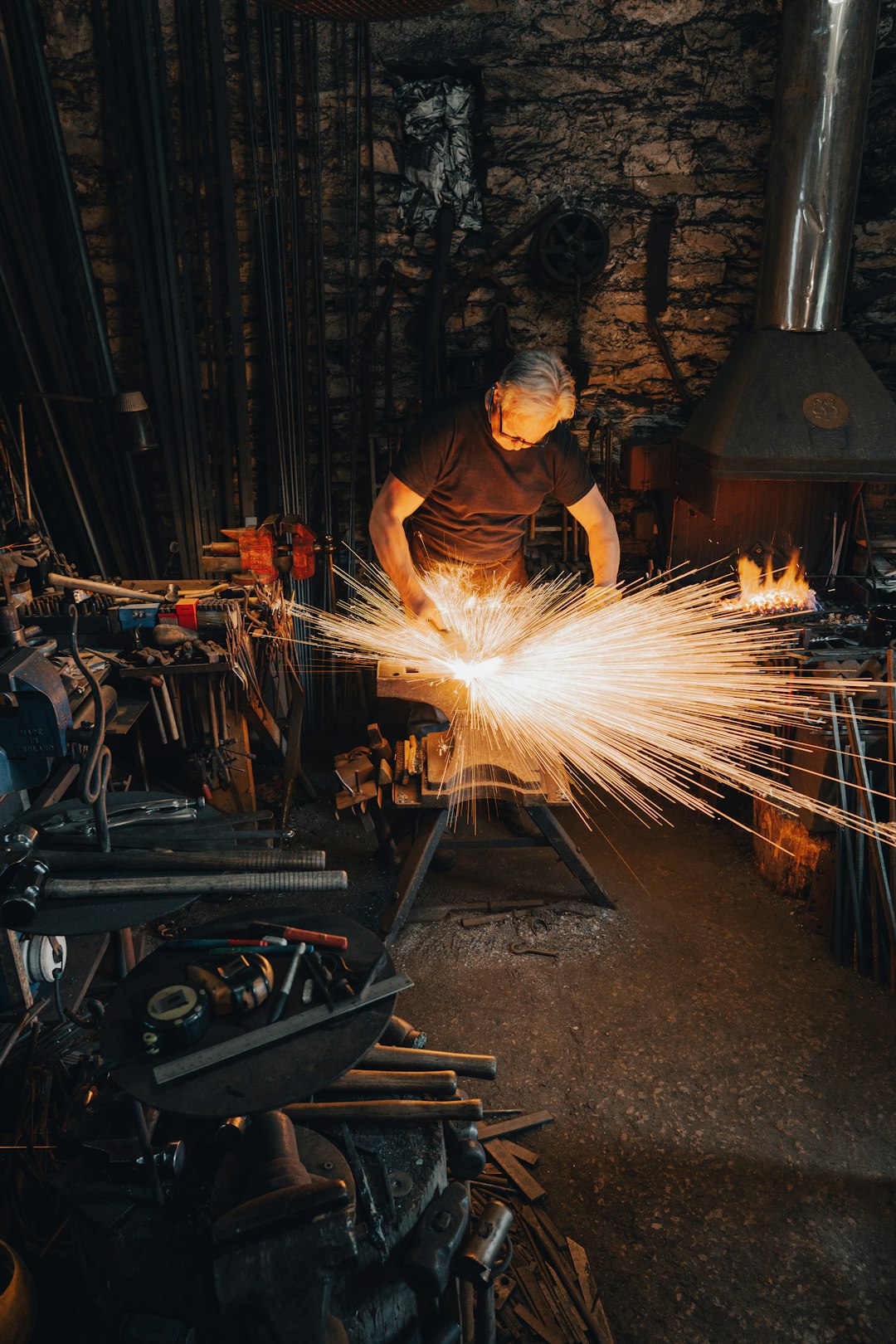
Forging, for example, makes metal stronger. It aligns the grain structure. That is why forged parts are used in engines and heavy machinery.
Metals in Modern Industry
Kovových materials power almost every sector.
Construction
Steel beams hold up tall buildings. Rebar strengthens concrete. Aluminum frames support windows.
Transportation
Cars use steel for safety. Aluminum reduces weight. Trains rely on tough alloys. Planes use titanium and advanced aluminum blends.
Energy
Wind turbines use strong steel towers. Solar systems rely on aluminum frames. Power lines carry electricity through copper cables.
Technology
Smartphones contain copper, aluminum, and rare metals. Data centers use steel racks and copper wiring.
Without metal materials, modern life would stop.
Sustainability and Recycling
One amazing fact about metals is this: they can be recycled forever.
Recycling metal:
- Saves energy
- Reduces mining
- Lowers carbon emissions
- Protects natural resources
Recycled aluminum, for example, uses up to 95% less energy than new aluminum from ore. That is huge.
Steel is also one of the most recycled materials in the world. Old cars and buildings become new products.
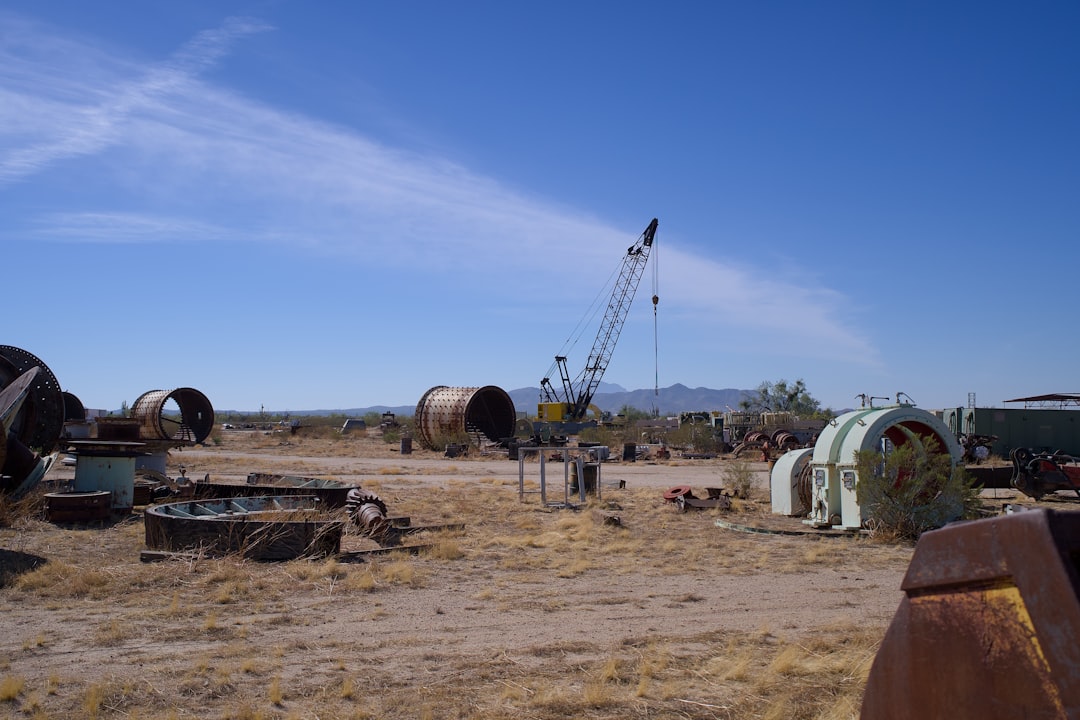
This makes Kovových industries key players in the green transition.
Challenges in the Metal Industry
The metal world is powerful. But it faces challenges.
- Energy costs are high.
- Environmental regulations are strict.
- Supply chain disruptions can delay production.
- Raw material scarcity affects prices.
Companies must innovate to stay competitive. They invest in cleaner technologies. They use electric arc furnaces. They develop lighter alloys.
Efficiency is everything.
The Rise of Smart Metals
The future of Kovových is exciting.
Engineers now create:
- Shape memory alloys that return to their form.
- High strength lightweight alloys for electric vehicles.
- Corrosion resistant superalloys for extreme environments.
These materials support:
- Space travel
- Renewable energy
- Medical innovation
- Advanced robotics
Metal is no longer just strong. It is smart.
How Businesses Choose the Right Metal
Selecting a metal is a strategic decision. Engineers ask important questions:
- How strong must it be?
- Will it face moisture or chemicals?
- Does weight matter?
- What is the budget?
- How long should it last?
There is always a trade-off. Titanium is amazing. But it is expensive. Steel is strong. But heavy. Aluminum is light. But not as tough as steel.
Good design balances performance and cost.
Why Understanding Kovových Matters
Even if you are not an engineer, this knowledge is useful.
If you run a business, material choice affects product quality. If you invest, metal markets shape global economies. If you care about sustainability, metals are key to renewable infrastructure.
Kovových connects science, industry, and daily life.
The Big Picture
Metal materials built the past. They drive the present. They will shape the future.
From skyscrapers to spacecraft, Kovových industries make bold ideas possible. Metals are strong. But they are also adaptable. They can be recycled, reshaped, and reinvented.
Understanding them is understanding modern civilization.
So next time you see a bridge, a train, or even a simple spoon, remember this: behind that object lies a powerful world of metal science and industrial expertise.
Kovových is not just about metal. It is about progress. It is about innovation. And it is about building a smarter, stronger world.