The hospitality industry, particularly the restaurant sector, is undergoing seismic shifts in labor practices, employment trends, and workforce dynamics. Mounting pressures from economic uncertainty, technological disruption, and shifting worker expectations are driving changes in how restaurants hire, retain, and manage staff. As restaurateurs grapple with record turnover rates and rising labor costs, understanding the latest labor trends has become critical for anyone invested in the industry’s future.
TLDR: Labor in the hospitality industry is experiencing profound changes. Wages are rising, automation is becoming a viable solution to staffing shortages, and workers are demanding better conditions. The industry is also seeing increased unionization efforts and legislative changes at both the state and federal level. Failure to adapt could leave restaurants struggling to compete amid these dynamic changes.
Table of Contents
Rising Wages and Cost Pressures
One of the most immediate trends in the restaurant labor market is the increase in wages across nearly every region of the United States. Driven in part by inflationary pressures and legislative efforts, states such as California and New York are leading the charge with minimum wage rates that exceed $15 per hour. Even traditionally low-wage states are seeing upward pressure on earnings as restaurants compete for a shrinking pool of available workers.
According to recent data from the Bureau of Labor Statistics (BLS), average hourly earnings for restaurant workers have increased by over 20% since 2020. This surge presents significant challenges for restaurant operators, particularly independent owners with thin profit margins. Many are being forced to adjust menu prices, reduce operating hours, or streamline services to manage labor costs.
Labor Shortages and Recruitment Struggles
The hospitality sector has faced an ongoing labor shortage since the pandemic, exacerbated by a wave of resignations and a slow rebound in the workforce for food service roles. Many workers who left the industry during COVID-19 disruptions have opted not to return, citing poor working conditions, demanding hours, and limited healthcare benefits.
Restaurants are employing multiple tactics to counteract shortages, including:
- Offering sign-on bonuses and referral incentives
- Investing in employee training and upskilling programs
- Providing flexible scheduling and mental health support
Still, many restaurateurs report ongoing vacancies for kitchen staff, servers, and managers. The shortage is especially acute in rural areas and smaller towns where the labor pool is more limited.
Automation and Technology in the Restaurant Workplace
With persistent labor shortages and rising payroll costs, automation is becoming an increasingly attractive solution. From self-service kiosks to AI-powered kitchen assistants, restaurant technology is evolving rapidly to fill gaps traditionally handled by humans.
Fast food chains like McDonald’s and Panera Bread have piloted AI-driven order-taking and robotic fry stations, while independent restaurants are experimenting with QR code menus, tablet ordering, and mobile app integration. These technologies reduce reliance on labor while improving throughput and customer experience.
However, there’s a trade-off: Automation requires upfront capital investment and can create a colder, less personal dining experience, which some customers find off-putting. Balancing innovation with hospitality remains key.
Unionization in the Hospitality Sector
Another notable development is the rise of union activity within restaurants and fast food chains. Over the last two years, organized labor efforts have gained significant traction, with employees at Starbucks, Chipotle, and other major brands leading the charge toward union representation.
Motivated by demands for better pay, equitable scheduling, and workplace protections, a new generation of food service workers is becoming increasingly vocal and organized. High-profile unionization wins—and wider public support—are encouraging more workers to consider collective bargaining as a means to improve their employment conditions.
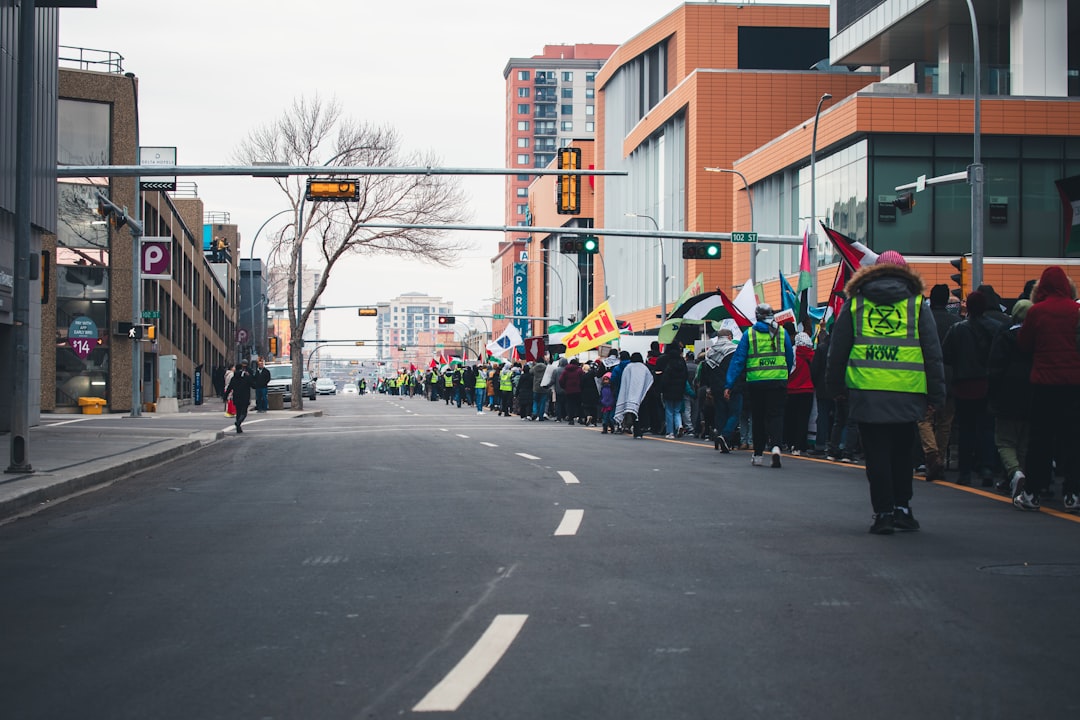
Employers are advised to take these sentiments seriously. A proactive approach toward communication, transparency, and employee well-being may help prevent costly and reputationally damaging labor disputes.
The Evolving Role of Human Resource Management
Human resource management is becoming a cornerstone of modern restaurant operations. As workforce challenges grow, HR professionals are reevaluating long-held practices around recruitment, retention, and employee engagement.
Key strategies currently being implemented by HR departments include:
- Conducting comprehensive exit interviews and employee surveys
- Offering career development paths, even in traditionally low-skill roles
- Implementing DEI (Diversity, Equity, and Inclusion) training
A growing trend is the use of software platforms to monitor employee satisfaction, labor scheduling, and performance metrics in real-time. These tools are helping restaurant owners make better decisions around staffing and workforce productivity.
Legislative and Regulatory Developments
Across the country, lawmakers are introducing legislation that directly impacts restaurant labor. For example, California’s new fast-food labor council, created under the Fast Food Accountability and Standards Recovery Act (FAST Recovery Act), has the authority to set minimum industry-wide standards for wages and working conditions.
Similarly, New York is imposing increased penalties for wage theft and mandating more stringent labor reporting by restaurants. Federally, initiatives aimed at tip pooling transparency, overtime expansion, and health insurance mandates are also shaping the legal landscape that restaurants must navigate.
Industry advocates are divided—some see these measures as necessary protections for workers, while others argue they impose unsustainable burdens on small business owners.
Younger Generations Are Changing Workplace Culture
Millennials and Gen Z now make up the majority of the hospitality workforce, and their expectations are reshaping workplace culture. These younger workers place greater value on purpose-driven employment, work-life balance, and ethical leadership.
Common expectations include:
- Remote or hybrid work options for administrative and management roles
- Open communication and regular feedback from management
- Social responsibility initiatives, such as local food sourcing and environmental practices
Restaurants that embrace these values are more likely to attract and retain top talent. Failing to align with generational shifts may result in higher turnover and diminished brand reputation.
Conclusion: A Market in Transition
The restaurant labor market is in the midst of a fundamental transformation. From wage increases and automation technologies to unionization and workforce diversity, the hospitality industry is being challenged to adapt or struggle. Successful operators will not only respond to new labor dynamics but anticipate future disruptions with agility and innovation.
Those who invest in their employees—both financially and emotionally—will find themselves ahead of the curve in an increasingly competitive and complex landscape.