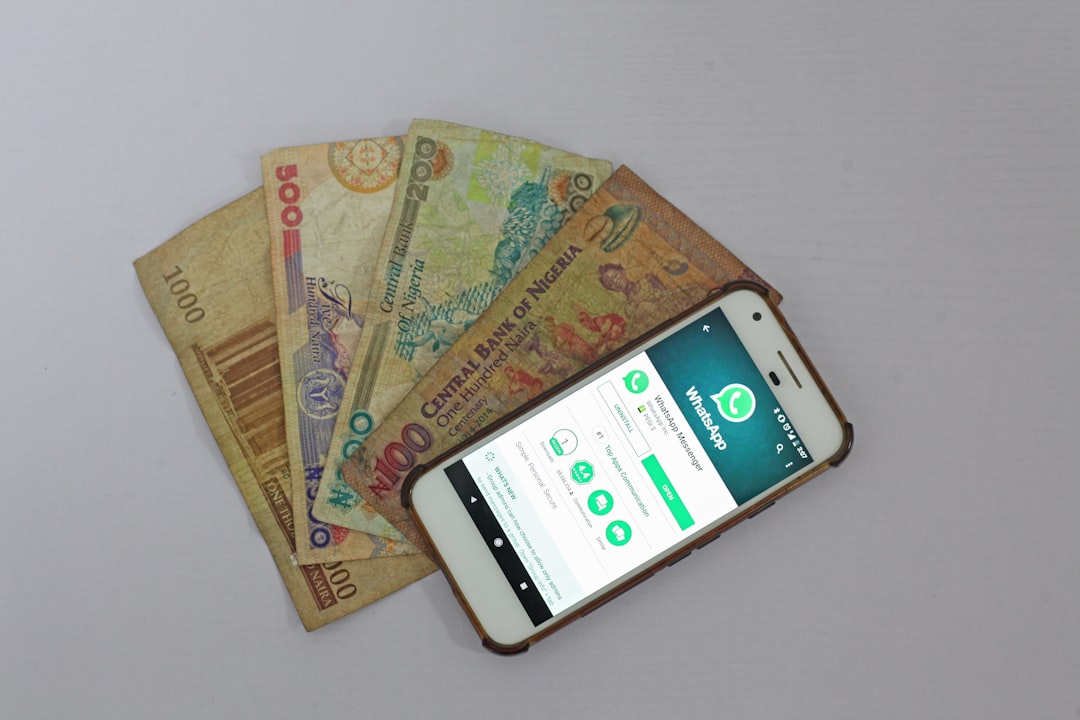
Sending money across borders used to be slow, expensive, and confusing. Long bank lines. Hidden fees. Poor exchange rates. Not anymore. Today, digital tools let you move money around the world in minutes. And many of them support 50+ currencies. That means more freedom for freelancers, travelers, students, and global businesses.
TLDR: Cross-border money transfers are now fast and simple thanks to modern fintech tools. Services like Wise, PayPal, Payoneer, Revolut, and OFX support 50+ currencies and offer competitive exchange rates. Each one has different strengths, from low fees to business features. Pick the one that fits your needs, budget, and location.
Let’s explore five powerful tools that make global money movement easy. We’ll break them down in simple terms. No jargon. Just facts.
Table of Contents
1. Wise (Formerly TransferWise)
Wise is famous for transparent pricing. What you see is what you pay. No nasty surprises.
It supports 50+ currencies and lets you hold and manage money in many of them at once. You can even get local bank details in countries like the US, UK, and EU.
Why people love Wise:
- Uses the real mid-market exchange rate.
- Low and clear fees.
- Fast transfers. Sometimes within minutes.
- Multi-currency account.
- Debit card available in many countries.
It’s great for freelancers and remote workers. You can get paid in USD. Spend in EUR. Convert only when rates look good.
Watch out for:
- Fees vary depending on currency.
- No physical branches.
Overall, Wise keeps things simple and honest. That’s why it’s a favorite.
2. PayPal
PayPal is one of the oldest online payment platforms. It operates in over 200 countries. And it supports 25+ currencies directly, but allows conversion across many more.
It’s widely accepted. That’s its superpower.
Why people use PayPal:
- Easy to send money with just an email.
- Trusted brand worldwide.
- Buyer and seller protection.
- Quick setup.
Freelancers often use PayPal to invoice clients. Online shoppers love its security.
But convenience comes at a price.
Keep in mind:
- Higher fees for international transfers.
- Exchange rate includes a markup.
- Account freezes can happen if activity looks unusual.
PayPal works best for small business payments and e-commerce. Not always ideal for large transfers. But it’s reliable and global.
3. Payoneer
Payoneer is built for global business. Especially freelancers, marketplaces, and online sellers.
It supports 70+ currencies across 190+ countries.
You can receive payments from platforms like Amazon, Fiverr, and Upwork directly into your Payoneer account.
Key features:
- Local receiving accounts in multiple currencies.
- Competitive currency conversion rates.
- Prepaid Mastercard available.
- B2B payment tools.
It helps businesses pay contractors worldwide. All from one dashboard.
Things to know:
- Annual account fees may apply.
- Better for business than personal use.
If you run a global business or sell internationally, Payoneer is a strong contender.
4. Revolut
Revolut started as a travel card. Now it’s a full digital bank.
It supports 70+ currencies for exchange and lets you hold 30+ currencies in your account.
It’s sleek. Modern. App-first.
What makes Revolut cool:
- Competitive exchange rates.
- Free currency exchange up to a limit (depending on plan).
- Crypto and stock trading options.
- Budgeting tools.
Travelers love Revolut. You can pay abroad with low fees. You can instantly split bills with friends.
But note:
- Free plans have monthly exchange limits.
- Weekend exchange markups may apply.
Revolut blends lifestyle and banking. It’s flexible and tech-friendly.
5. OFX
OFX focuses on larger international transfers. It supports 50+ currencies and has been in business for over 20 years.
Unlike app-only platforms, OFX also offers phone support. Real humans. 24/7.
Why choose OFX:
- No transfer fees for many corridors.
- Better rates for large transfers.
- Currency risk management tools.
- Dedicated support for businesses.
This tool is ideal for big payments. Think property purchases. Business supplier payments. Tuition fees abroad.
Limitations:
- Not always instant.
- Less flashy mobile app.
OFX is steady and professional. It’s built for serious transfers.
Quick Comparison Chart
| Tool | Currencies Supported | Best For | Fees | Speed |
|---|---|---|---|---|
| Wise | 50+ | Freelancers, everyday transfers | Low, transparent | Fast, often same day |
| PayPal | 25+ direct, global conversions | Online shopping, small business | Higher, exchange markup | Instant to PayPal accounts |
| Payoneer | 70+ | Marketplaces, global sellers | Varies, annual fees possible | 1–3 business days |
| Revolut | 70+ exchange, 30+ hold | Travelers, digital banking | Free up to limit, then small fee | Instant within network |
| OFX | 50+ | Large transfers, businesses | No transfer fee, rate margin | 1–2 business days |
How to Choose the Right Tool
Not all tools fit everyone.
Ask yourself:
- How often do I send money?
- How much do I send?
- Do I need business features?
- How important are exchange rates?
- Do I need customer support by phone?
If you send small amounts often, low fees matter most. If you transfer large sums, exchange rates matter more than flat fees.
For travelers, flexibility is key. For businesses, reporting tools and automation help a lot.
Final Thoughts
We live in a global world. People study abroad. Work remotely. Run borderless companies.
Money needs to move just as freely.
Thankfully, tools like Wise, PayPal, Payoneer, Revolut, and OFX make that possible. They support 50+ currencies. They reduce costs. And they cut waiting times.
Each platform has strengths. Some shine in low-cost transfers. Others win with global reach or business features.
The good news? You don’t have to pick just one. Many people use two or three. One for business. One for travel. One for online shopping.
That’s the beauty of modern finance. It’s flexible.
And now, sending money across the world is as easy as sending a text.