Remote, little-documented, and largely untouched by mass tourism, the region known as Daskusza has emerged in recent years as one of the most compelling destinations for serious exploration and adventure travel. Often referred to by researchers as a “lost world,” Daskusza is not a single site but a vast, ecologically and culturally complex zone whose inaccessibility has preserved landscapes and traditions rarely witnessed by outsiders. This article examines the exploration of Daskusza through a factual, expedition-based lens, separating myth from verifiable discovery.
TLDR: Daskusza is a remote and underexplored region valued for its intact ecosystems, archaeological remains, and living cultural traditions. Scientific expeditions and experienced adventure travelers have begun documenting its landscapes with caution and respect. Exploration here demands rigorous preparation, ethical engagement, and environmental responsibility. The true value of Daskusza lies not in conquest, but in careful observation and preservation.
Table of Contents
Geographic Context and Discovery
Daskusza occupies a transitional zone between mountainous highlands and dense lowland forest, with climatic conditions that vary dramatically by altitude and season. Until the late 20th century, the area appeared only vaguely on regional maps, often marked as uninhabited or impassable. Satellite imaging and subsequent ground surveys revealed a far more complex terrain, including plateau systems, subterranean river networks, and isolated valleys.
Early scientific interest came from geologists and climatologists studying unusual soil compositions and microclimates. Their reports drew interdisciplinary teams, including archaeologists and biologists, who confirmed that Daskusza’s isolation had allowed both ecosystems and human cultures to develop with minimal external influence.
Image not found in postmetaArchaeological and Cultural Significance
Among the most significant findings in Daskusza are scattered stone structures and petroglyphs estimated to be over a thousand years old. Unlike monumental ruins found in more accessible regions, these structures are modest in scale but highly contextual, often integrated directly into the natural landscape. Researchers believe this reflects a cultural preference for environmental harmony rather than dominance.
Equally important are the contemporary communities living in peripheral zones of Daskusza. These groups maintain oral histories that correspond closely with archaeological timelines, offering rare continuity between past and present. Anthropological teams emphasize that access to such knowledge is granted only through long-term trust, underscoring the need for respectful engagement by explorers.
Ecological Rarity and Biodiversity
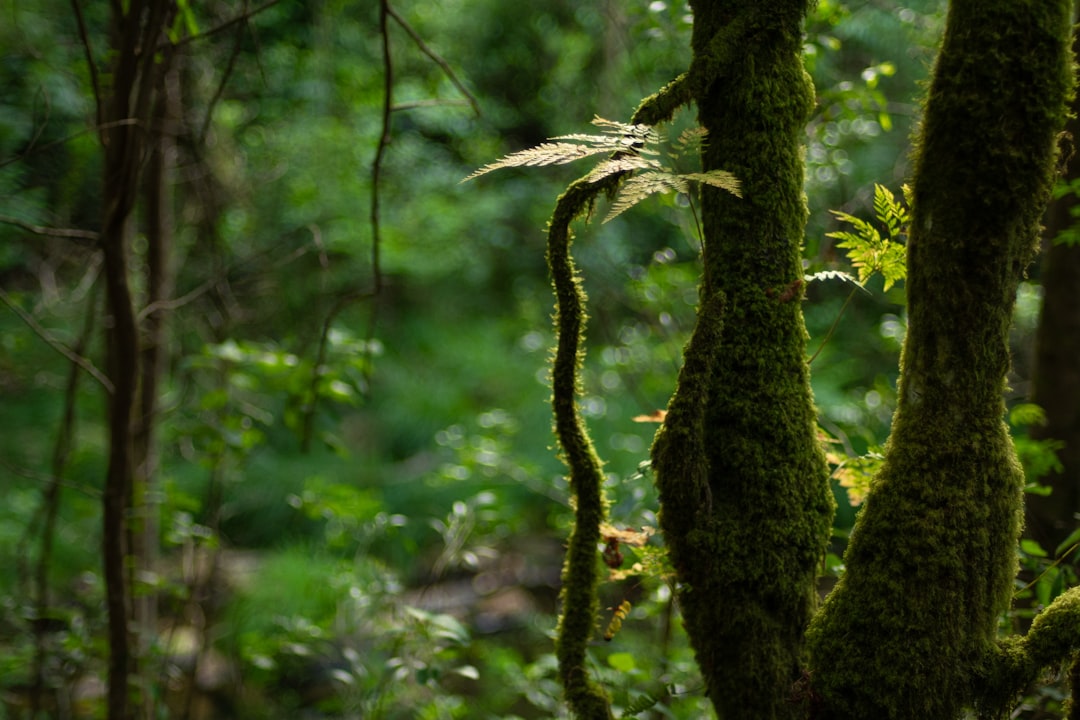
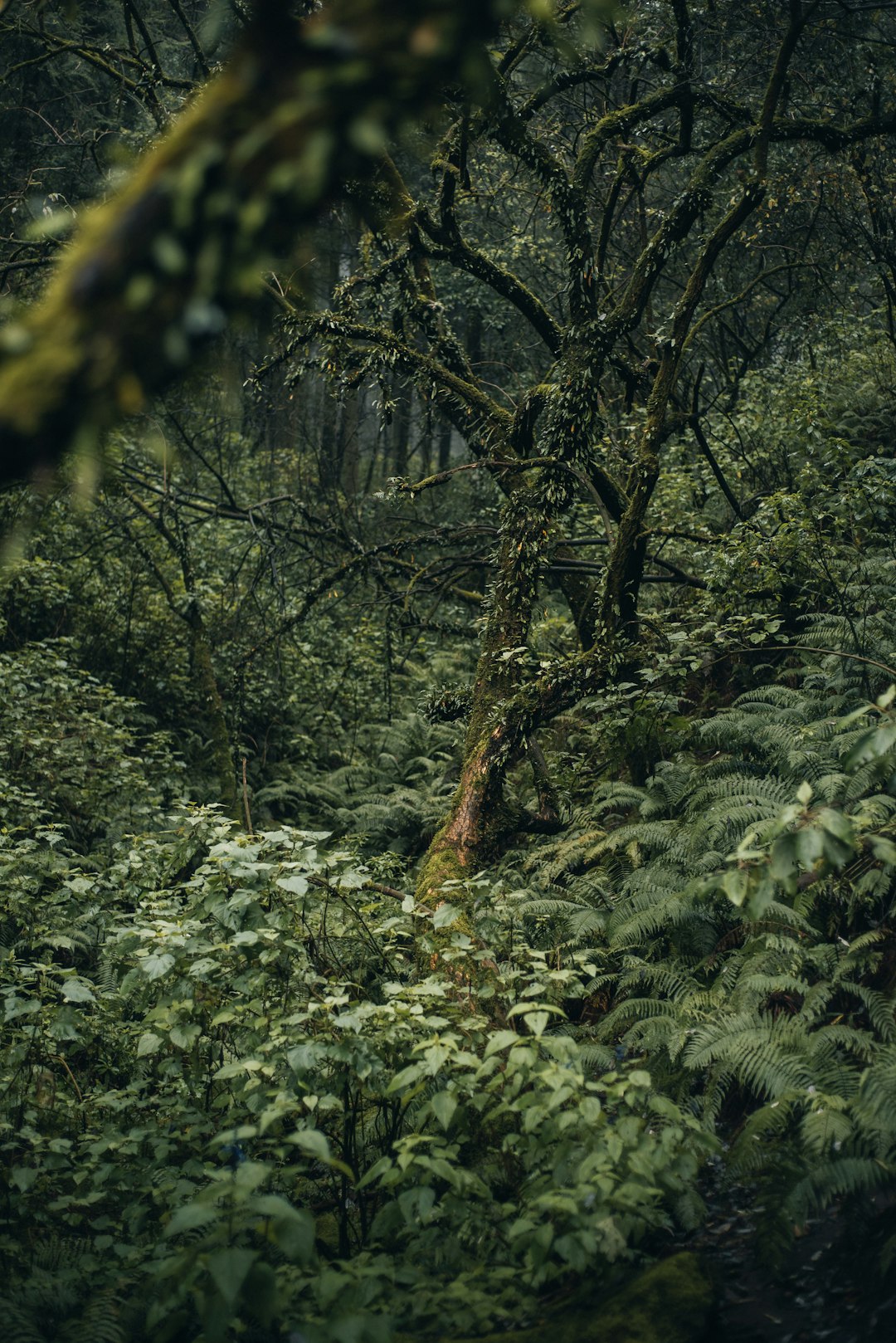
Daskusza’s ecological profile is one of its most valuable attributes. Surveys have identified numerous endemic plant species and several animal populations previously believed to be extinct. High canopy density, combined with layered terrain, creates microhabitats that support exceptional biodiversity.
Biologists note that Daskusza functions as a natural laboratory for studying evolutionary isolation. However, they also warn that even limited human intrusion can disrupt these systems. For this reason, most expeditions operate under strict environmental protocols, including waste-free travel and minimal trail marking.
Challenges of Exploration
Unlike commercial adventure destinations, Daskusza offers no established infrastructure. Access typically requires a combination of overland travel, river navigation, and extended travel on foot. Weather patterns can shift rapidly, turning manageable terrain into hazardous conditions within hours.
Key challenges include:
- Logistical isolation: Resupply options are nonexistent once inside the region.
- Health risks: Tropical diseases, altitude variation, and limited evacuation options require medical readiness.
- Navigational complexity: Magnetic anomalies in certain areas interfere with standard equipment.
As a result, credible expeditions are typically multidisciplinary and include medical professionals, local guides, and environmental specialists.
Adventure Travel Stories from the Field
Firsthand accounts from explorers in Daskusza tend to emphasize patience rather than spectacle. One documented expedition spent over six weeks mapping a single valley system, encountering no dramatic events yet returning with invaluable data on hydrology and plant distribution.
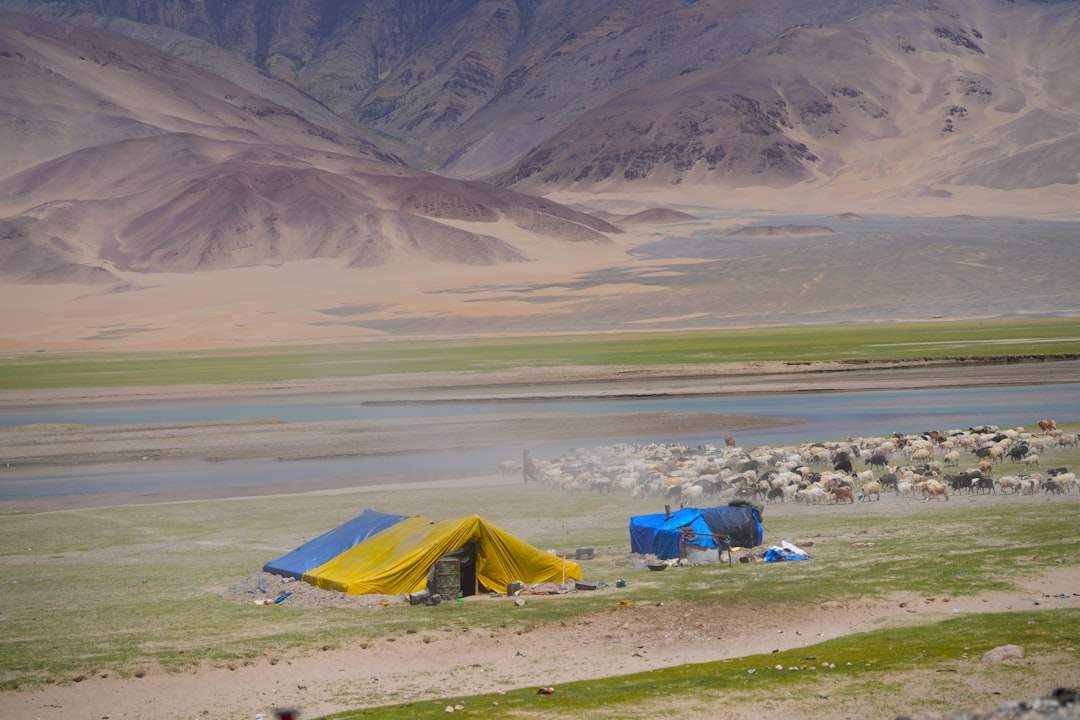
Another team reported an unexpected discovery of a seasonally inhabited highland shelter, suggesting migratory patterns still unconfirmed by researchers. These narratives illustrate that adventure in Daskusza is less about adrenaline and more about sustained observation and adaptability.
Ethical Considerations and Responsible Access
The growing interest in Daskusza has prompted serious discussion about access control. Scholars and conservationists largely agree that unrestricted tourism would pose significant risks. As a result, most visits occur under research permits or in collaboration with conservation organizations.
Responsible exploration principles commonly applied in Daskusza include:
- Prior informed consent from local communities
- Data sharing with regional research institutions
- Non-extractive practices, leaving all artifacts in place
These measures aim to ensure that the region’s value is preserved for future generations rather than depleted by short-term interest.
The Future of Daskusza Exploration
Daskusza stands at a crossroads familiar to many once-hidden regions. Advances in technology make access easier, yet awareness of ecological fragility urges restraint. Current consensus among experts favors focused scientific exploration combined with strict conservation status.
For experienced adventure travelers, Daskusza represents not a checklist destination but a commitment, one that demands preparation, humility, and respect for uncertainty. Its true allure lies not in what can be taken or claimed, but in what can be learned and safeguarded.
In this sense, Daskusza remains a lost world not because it is unknown, but because it resists being fully revealed. That resistance may be its greatest strength.