Imagine a tiny startup as a rocket on a launch pad. It has a bold idea. It has a small team. It has a dream of reaching the moon. But rockets need fuel. In the startup world, that fuel is often venture capital.
TLDR: Venture capital is money that investors give to young companies with big growth potential. In return, investors get a piece of the company. Startups use the money to build products, hire people, and grow fast. If the startup becomes very successful, both the founders and investors can make a lot of money.
Table of Contents
What Is Venture Capital?
Venture capital, or VC, is a type of funding for startups.
It usually comes from professional investors. These investors are called venture capitalists. They invest in young companies that may grow very big.
These companies are often risky. They may not make money yet. Some may not even have a finished product. But they have something exciting. They have a big idea. They have a large market. They have a team that wants to move fast.
Venture capital is different from a normal bank loan. A bank wants its money back with interest. A venture capitalist wants ownership. This ownership is called equity.
So, instead of saying, “Pay me back every month,” a VC says, “Give me part of your company.”
If the startup wins, the VC wins too. If the startup fails, the VC may lose the money. That is the game.

Why Do Startups Need Venture Capital?
Startups often need money before they can make money.
That may sound strange. But it is normal.
A startup may need to:
- Build a product.
- Hire engineers.
- Pay designers.
- Run ads.
- Rent office space.
- Buy software tools.
- Test ideas with customers.
- Expand into new cities or countries.
All of this costs money.
Let’s say three friends create an app for dog owners. The app helps people find dog walkers, vets, parks, and pet events. Cute idea. But the app needs developers. It needs servers. It needs marketing. It needs customer support.
The founders might use their own savings at first. This is called bootstrapping. They may also ask family or friends for help. But if the app starts growing fast, they may need much more cash.
That is where venture capital can help.
How Does Venture Capital Work?
Venture capital works like a trade.
The investor gives the startup money. The startup gives the investor equity. That means the investor owns a percentage of the company.
Here is a simple example.
A startup is valued at $4 million. A VC invests $1 million. After the investment, the startup may be valued at $5 million. The VC may then own about 20% of the company.
The exact numbers can change. Deals can be complex. But the basic idea is simple.
Money comes in. Ownership goes out.
The startup uses the money to grow. The VC hopes that the company becomes worth much more later.
If the company becomes worth $100 million, that 20% stake may be worth $20 million. Nice.
If the company shuts down, the stake may be worth zero. Not so nice.
Who Are Venture Capitalists?
Venture capitalists are people who manage investment funds.
They do not always invest only their own money. Often, they manage money from other groups. These groups may include:
- Pension funds.
- Universities.
- Insurance companies.
- Wealthy families.
- Large companies.
- Other investment firms.
The VC firm collects this money into a fund. Then it invests that fund into many startups.
Why many startups? Because startups are risky.
Most startups do not become huge. Some fail. Some do okay. A few become massive winners.
VCs are looking for those massive winners. They want the next giant. The next famous app. The next big software company. The next platform everyone uses.
In venture capital, one huge success can pay for many losses.
The Startup Funding Stages
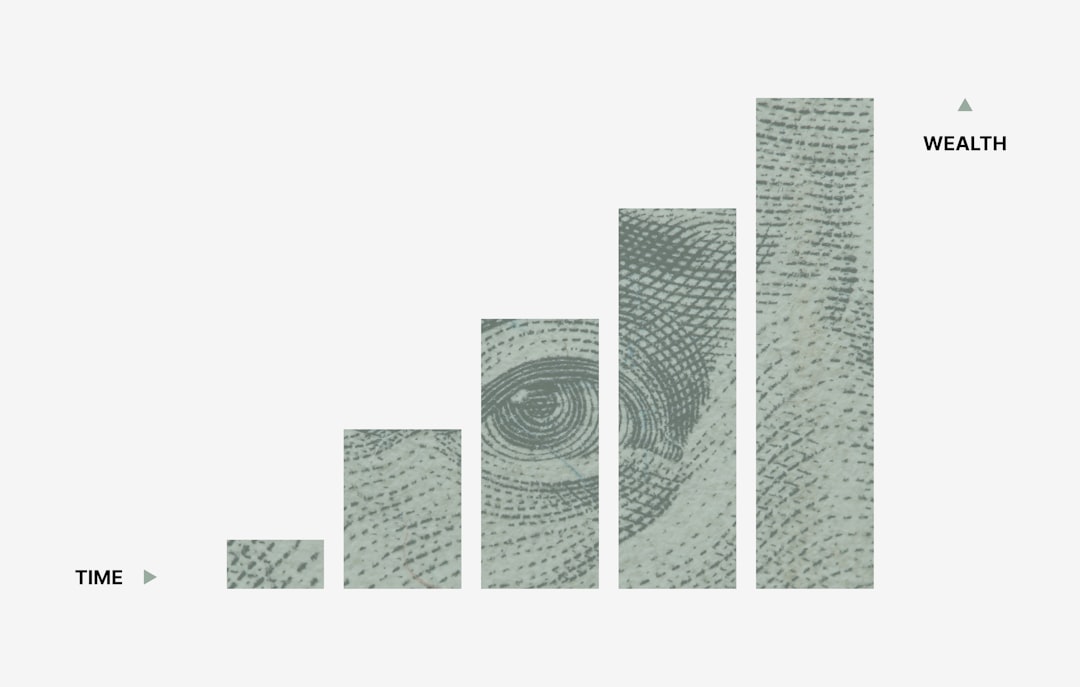
Startup funding usually happens in stages. Think of it like levels in a video game. Each level gets harder. But the rewards can get bigger.
1. Pre-Seed Funding
This is the very early stage.
The startup may only have an idea. Maybe there is a rough prototype. Maybe there are no customers yet.
Money often comes from founders, friends, family, or small angel investors. The goal is to test the idea.
2. Seed Funding
At the seed stage, the startup has more shape.
It may have a basic product. It may have early users. It may have signs that people care.
Seed money helps the startup improve the product and find its first real market.
3. Series A
Series A is for startups that have proof.
They may have paying customers. They may have strong user growth. They may know who their buyers are.
Now the focus is on building a real business. The team grows. Sales improve. Marketing gets bigger.
4. Series B
Series B is about scaling.
The startup already works. Now it wants to grow faster.
It may enter new markets. It may hire many people. It may build more products.
5. Series C and Beyond
These rounds are for larger startups.
The company may be preparing to go public. Or it may buy other companies. Or it may expand around the world.
At this point, the startup may not feel so tiny anymore. It may be a serious machine.
What Do VCs Look For?
VCs do not invest in every fun idea.
They look for signs that a startup can become very large. They want big upside. A small local business may be great. But it may not fit the VC model.
Here are things VCs often look for:
- A big market: Many people or companies could buy the product.
- A strong team: The founders know how to build, sell, and learn.
- A clear problem: The startup solves something painful or important.
- A unique solution: The product is better, faster, cheaper, or different.
- Early traction: Users, revenue, growth, or strong demand.
- Scalability: The business can grow without costs growing just as fast.
- A path to exit: The company could be sold or go public one day.
VCs also care about timing.
An idea can be smart but too early. Or too late. The best startup ideas often arrive when the world is ready.
What Is an Exit?
An exit is how investors get their big payday.
There are two common exits.
- Acquisition: A larger company buys the startup.
- IPO: The startup goes public and sells shares on the stock market.
Until an exit happens, a VC’s stake is mostly paper value. It may look good in a spreadsheet. But it is not cash yet.
When an exit happens, the ownership can turn into real money.
This is why VCs think about the future. They ask, “Who might buy this company?” Or, “Could this company become public one day?”
What Do Startups Give Up?
Venture capital can be powerful. But it is not free.
Founders give up part of their company. This is called dilution.
If a founder owns 100% at the start, they may own less after each funding round. Maybe 80%. Then 60%. Then 40%. This can be okay if the company becomes much more valuable.
As the saying goes, it is better to own a smaller slice of a giant pizza than all of a tiny cracker.
But there are trade-offs.
VCs may also get some control rights. They may get a board seat. They may have a say in big decisions. They may push the company to grow faster.
That can help. It can also add pressure.
The Good Side of Venture Capital
Venture capital can give startups a major boost.
Here are the big benefits:
- Fast growth: Startups can hire, build, and expand quickly.
- Expert advice: Good VCs know markets, hiring, sales, and strategy.
- Helpful networks: VCs can introduce founders to customers, partners, and talent.
- More credibility: A strong investor can make others take the startup seriously.
- No monthly loan payments: The startup does not repay VC money like a bank loan.
For the right startup, VC funding can be like adding a turbo engine.
Suddenly, things move faster. The team grows. The product improves. The brand becomes visible.
The Hard Side of Venture Capital
Now for the less shiny part.
VC funding can create pressure. Big pressure.
Investors want large returns. They are not hoping for a tiny win. They are hoping for a huge one.
This means the startup may need to grow very fast. It may need to chase big markets. It may need to take risks.
Some founders love this. Others feel trapped by it.
Here are some downsides:
- Loss of ownership: Founders own less after each round.
- Loss of control: Investors may influence major choices.
- Growth pressure: The company may need to scale faster than feels comfortable.
- Fundraising stress: Raising money takes time and energy.
- Not a fit for every business: Many great businesses do not need VC.
Venture capital is not magic fairy dust. It is a tool. A very sharp tool.
Use it well, and it can build something huge. Use it poorly, and someone may lose a finger.

How a VC Deal Usually Happens
A VC deal has several steps.
First, the founder meets investors. This may happen through introductions, pitch events, emails, or networks.
Next, the founder gives a pitch. A pitch is a short story about the company. It explains the problem, product, market, team, traction, and plan.
If the VC is interested, they do more research. This is called due diligence. They check the numbers. They test the product. They talk to customers. They study the market. They get to know the founders.
Then comes a term sheet. This is a document that explains the main deal terms. It includes the investment amount, company valuation, ownership percentage, and investor rights.
If both sides agree, lawyers prepare final documents. Then the money is sent to the startup.
And then the real work begins.
Simple Example: The Lemonade Robot Startup
Let’s make this silly.
A founder named Mia builds a robot that makes perfect lemonade. It squeezes lemons. It adds sugar. It even says, “Have a zesty day.” Nice robot.
Mia sells 50 cups at a local market. People love it. Kids cheer. Parents film videos. One café asks to rent the robot.
Mia thinks, “This could be big.”
But building robots is expensive. She needs parts. She needs engineers. She needs a factory partner. She needs safety testing.
A VC invests $500,000 for 10% of the company.
Mia uses the money to build 20 robots. She rents them to cafés. Revenue grows. Then she raises a bigger round. More robots appear in malls, airports, and theme parks.
If the company becomes huge, Mia and the VC both benefit.
If people decide they hate robot lemonade, things go sour. Very sour.
Is Venture Capital Right for Every Startup?
No.
That is important.
VC is best for companies that can grow very large and very fast. Many wonderful businesses are not built that way.
A bakery may be profitable. A design studio may be amazing. A consulting firm may produce steady income. But they may not need venture capital.
VC-backed startups usually aim for huge scale. They often use technology. They often serve large markets. They often plan to grow beyond one city or region.
If a founder wants control, steady growth, and profits early, VC may not be the best fit.
If a founder wants speed, scale, and a shot at a giant outcome, VC may make sense.
Final Thoughts
Venture capital is a high-risk, high-reward way to fund startups.
It gives young companies money to move fast. In return, investors get ownership. The goal is to build something much bigger than before.
It can be exciting. It can be stressful. It can turn wild ideas into world-changing companies.
But it is not for everyone. The best founders understand the trade. They know what they gain. They know what they give up.
So remember the rocket idea. Venture capital can be fuel. It can help a startup blast off. But the team still has to build the rocket, steer it, and avoid crashing into space rocks.
And if all goes well, they may just reach the moon.